

Doel:
aanleren lange slag, accent op de rompbeweging
De opdracht
* deel je veld met het ander 6 tal. Dus 1 team ene kant veld, andere team andere kant veld
* iedereen een bal, op 8 m van boarding hek
* doe de techniek voor (denk aan juiste grip + afstand tot bal)
* Dan iedereen zelfstandig laten oefenen en als trainer rondlopen en letten op:
- grip
- juiste afstand tot bal
- voor en nazwaai stick
Variatie (na 10 min):
- wie krijgt als 1ste de bal 5 x achter elkaar weer terug in zijn stick als hij heeft geslagen (dus niet opstaan of gaan liggen om bal te halen ). gaat keer fout= opnieuw tellen
[if gte mso 9]>
[if gte mso 9]>
De lange slag
1. op je knieen zitten, billen en rug recht
2. 1 sticklengte tussen de bal en je linkerknie
3. Dan je stick tegen de bal zetten met raakvlak waarmee je bal slaat (waar steel overgaat in krul daar raak je de bal mee).
4. Stick met de JUISTE GRIP vastpakken (= dubbbele V greep)
5. Stick naar achteren brengen, naar bal kijken
6. Stick naar bal zwaaien en bal goed raken (dat is de truuk)
7. Als je bal hebt geraakt, dan doorzwaaien om je heen

in more ways than one
 sportplan_netball



in more ways than one
sportplan_hockey

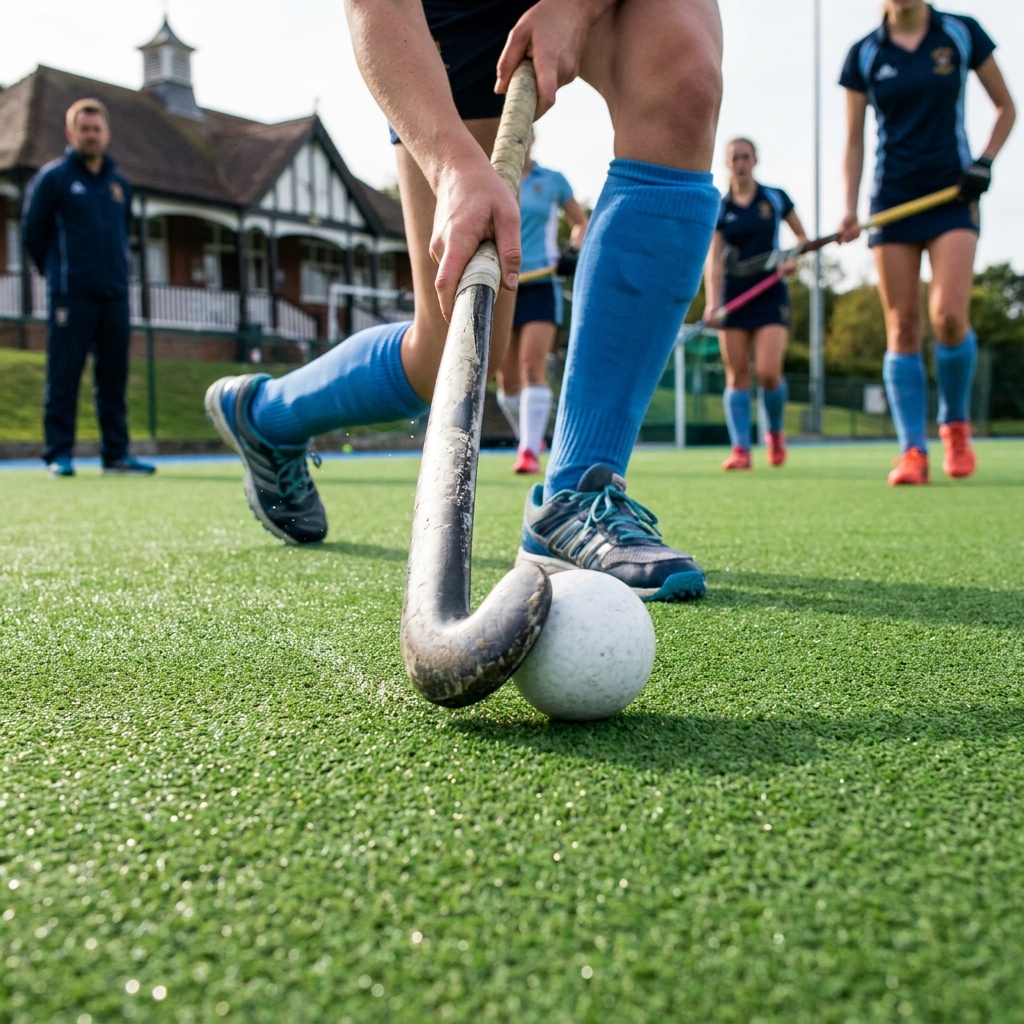
The first weeks of the season decide whether a junior or new player sticks with adult hockey. Here is how to keep them safe, give them a clear job and build their confidence from the very first bully.
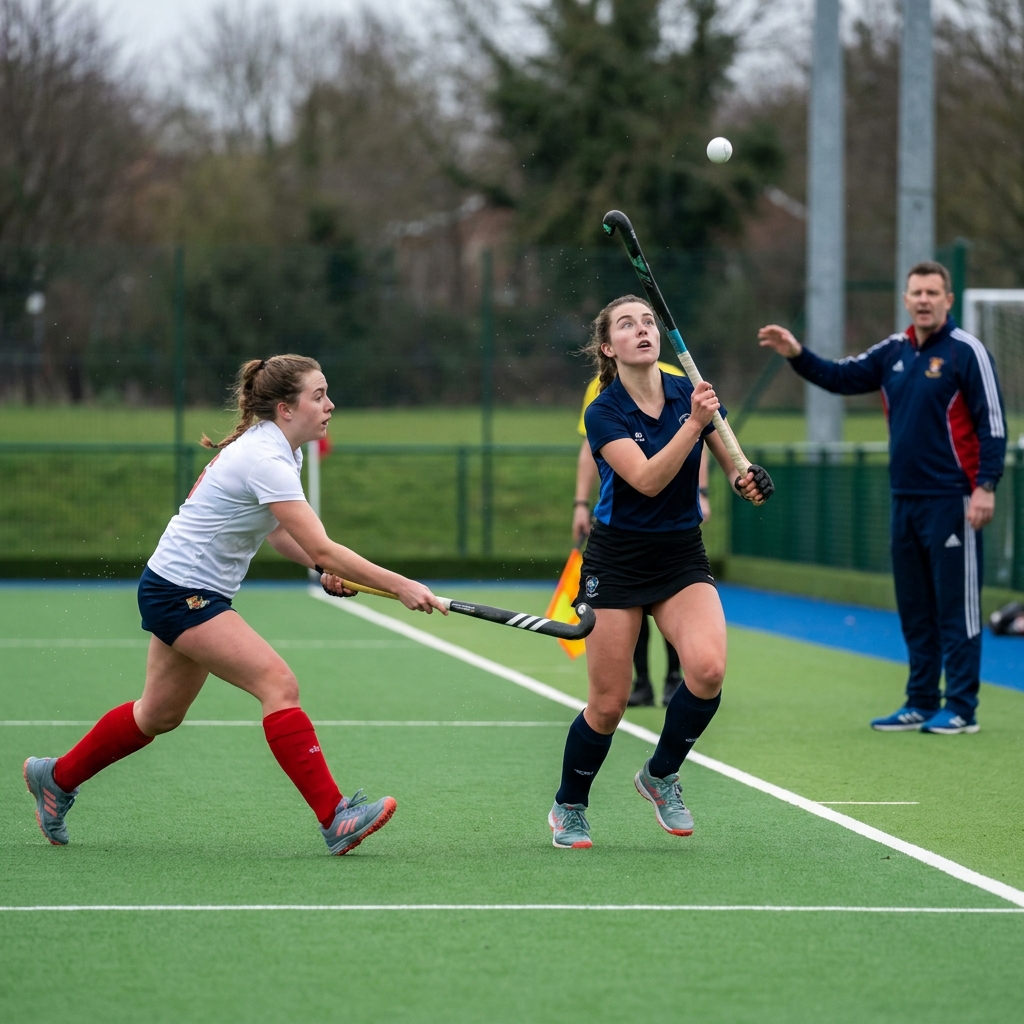
Most tackles are lost before the stick goes down. Teach your defenders to channel, wait and choose the right tackle, and you will win more ball and give away fewer cards.
England Hockey's rule guidance for 2026/27 takes effect from 1 September. Here are the changes that will actually alter how you coach, and how to brief your squad in one pre-season session.









