

Doel:
lopen met richtingsverandering, accent draaigreep bij indian en shuffle
De oefening
* 2 groepen, elk eigen vak
* opstelling zie tek.
* vertel waarom je richtings-verandering loopt + waar je die naartoe doet. Leg oef uit.
* men speelt 1-1 en passeren via passeertechniek die trainer opgeeft. Zo proberen door vak te komen en te scoren = 1 punt. Buitenom terug.
* als je bal wordt afgepakt= dan jij verdediger worden.
* spelers die wachten op de plek de opdracht alvast oefenen
* Opdrachten:
- passeren via indian
- passeren via shuffle
Waarom richtingsverandering
dan kan je tegenstander meelokken weg van goal . En het is je begin van een passeerbeweging
Waar richtingsverandering naartoe :
altijd tegenstander naar 1 kant toe brengen= ruimte maken aan andere kant en ineens met richtingsverandering naar andere kant = ruimte toe gaan
Draaigreep
* rechts houdt stick vast, zodat de linkerhand naar de bolle kant kan draaien.
* dan met linkerhand de stick naar de BH draaien.
* de re hand doet niets, stick draait in de rechterhand en
Drijfhouding:
* door knieen, rug recht
* armen los van lichaam, vooral li elleboog los van lichaam
* li pols recht (= op horloge kijken)
* stick 45 gr met de grond, dus bal ver van zich af t.h.v of voor re voet

in more ways than one
 sportplan_netball



in more ways than one
sportplan_hockey

The first weeks of the season decide whether a junior or new player sticks with adult hockey. Here is how to keep them safe, give them a clear job and build their confidence from the very first bully.
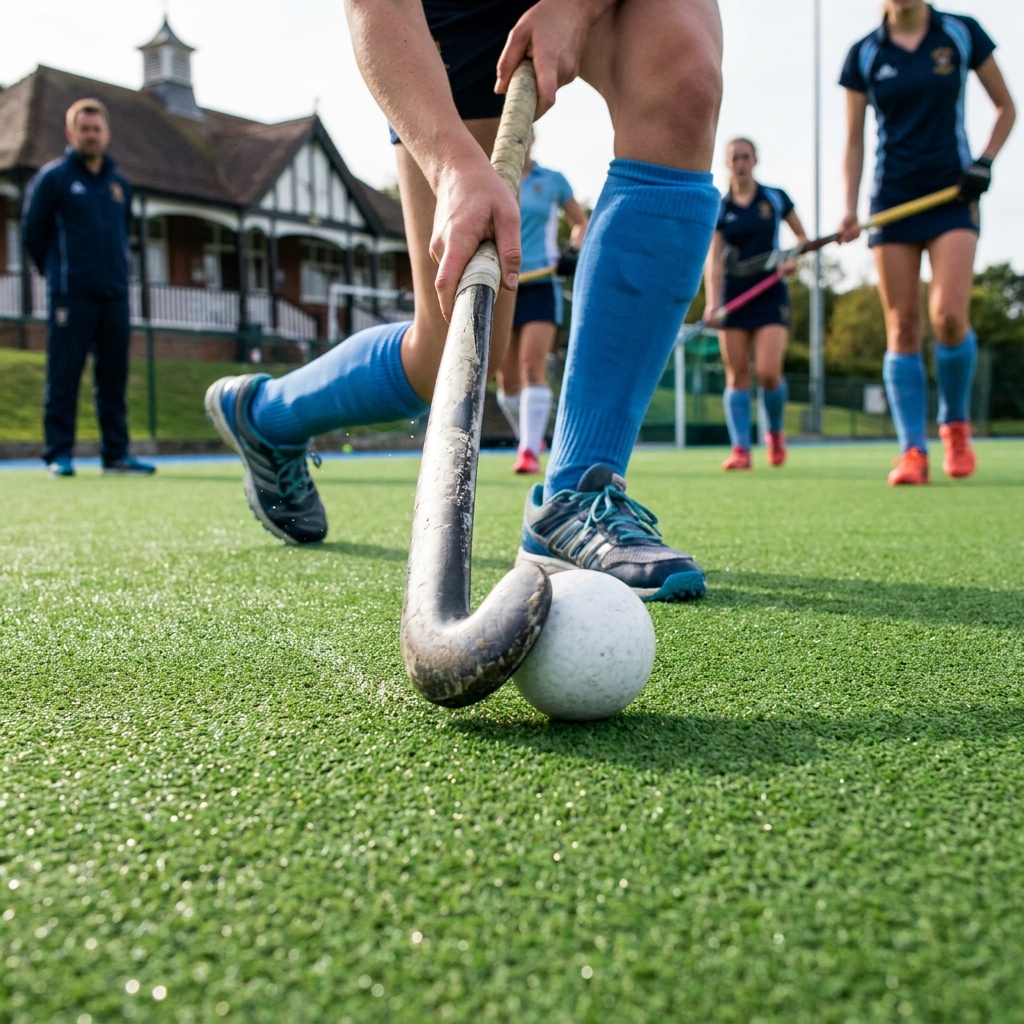
Most tackles are lost before the stick goes down. Teach your defenders to channel, wait and choose the right tackle, and you will win more ball and give away fewer cards.
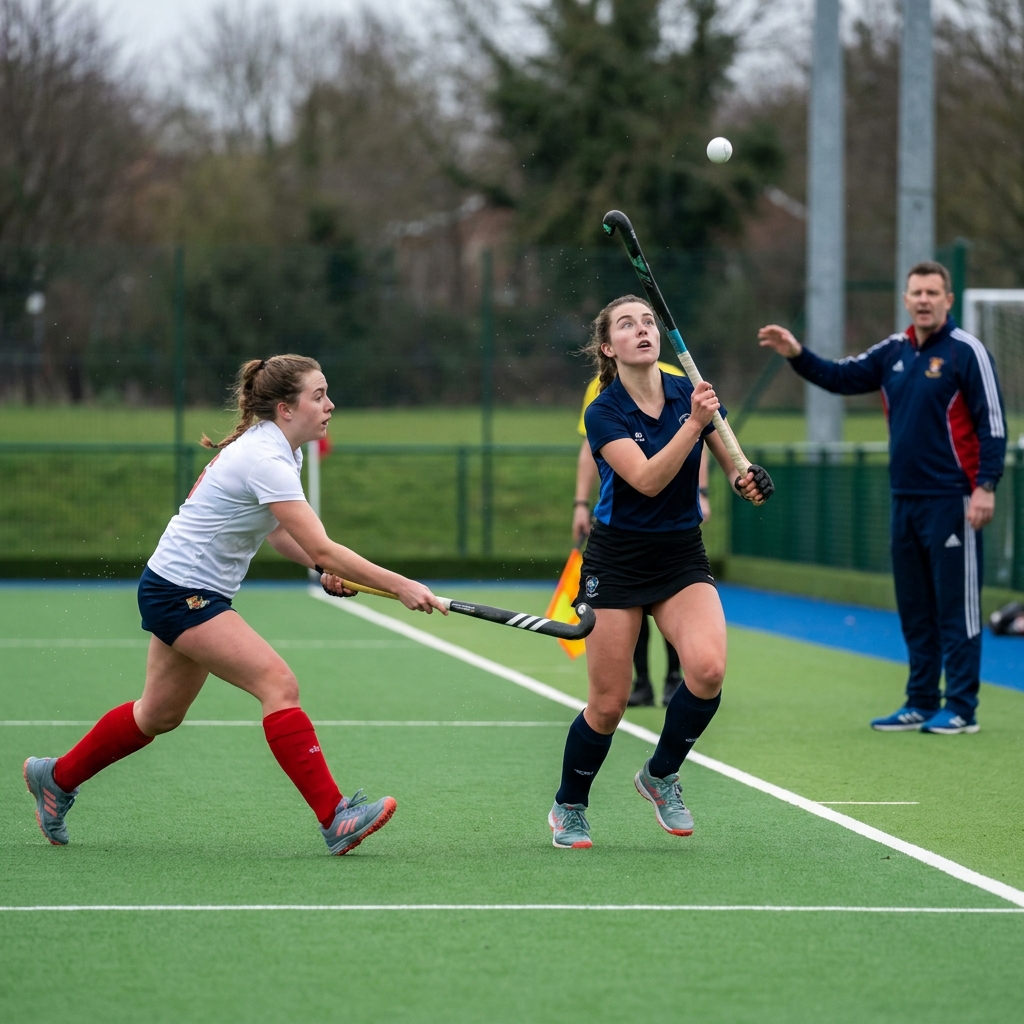
England Hockey's rule guidance for 2026/27 takes effect from 1 September. Here are the changes that will actually alter how you coach, and how to brief your squad in one pre-season session.









