

With all the roles it is important to keep in mind:
[if !supportLists]1) [endif]The location of and pressure on the ball
[if !supportLists]2) [endif]Location of teammates
[if !supportLists]3) [endif]Location of opponents
Role 1 – Ball carrier
[if !supportLists]o [endif]Awareness of options
[if !supportLists]o [endif]Sound decision making
Role 2 – Close support player (one pass away)
[if !supportLists]o [endif]Awareness of ball carrier and other close support players
[if !supportLists]o [endif]Communication (verbal and non-verbal) with ball carrier and other close support players
Role 3 – Far support player (two or more passes away)
[if !supportLists]· [endif]Responsible for creating width and depth over and above that provided by the close support players.
[if !supportLists]· [endif]Essential requirements
[if !supportLists]o [endif]Awareness of other far players as well as support for ball carrier
[if !supportLists]o [endif]Communication (verbal and non-verbal) with other far support players to create space
Anticipation of how the play is likely to unfold

in more ways than one
 sportplan_netball



in more ways than one
sportplan_hockey
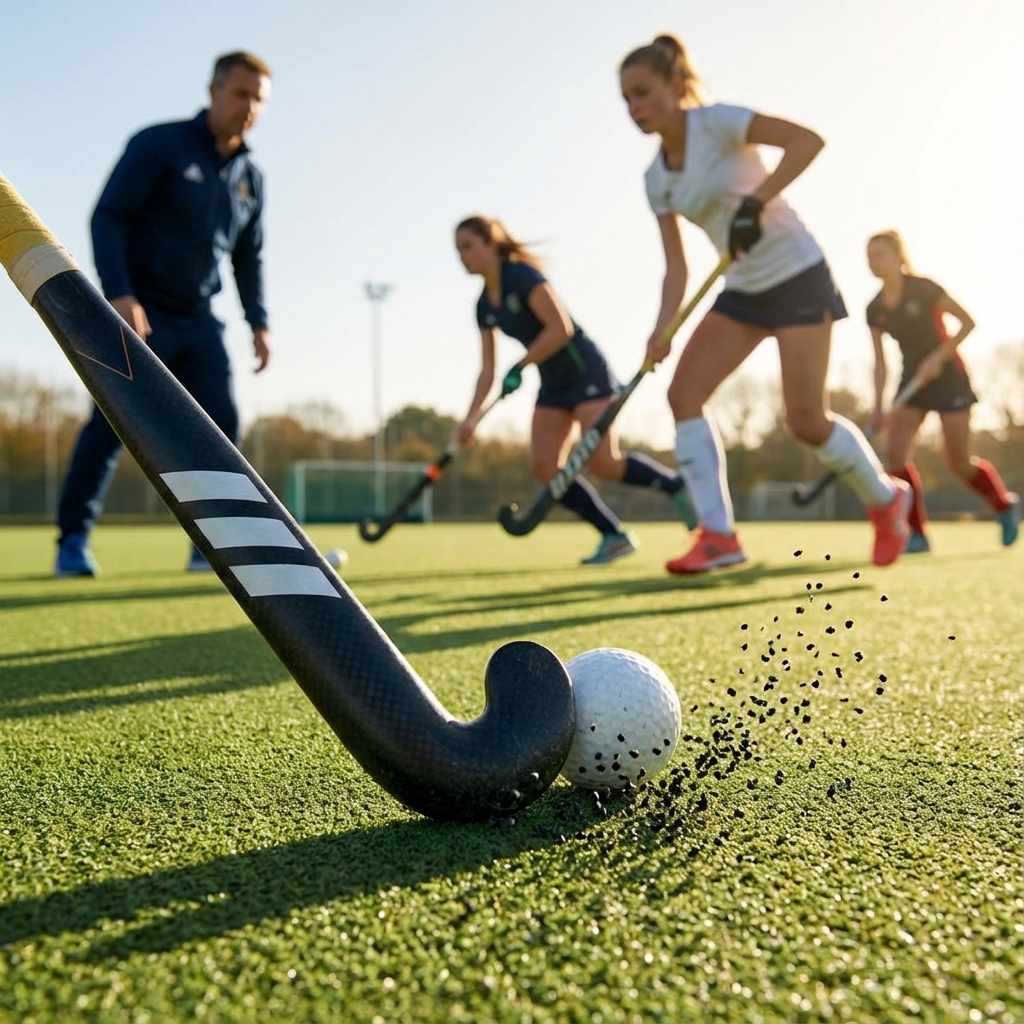
From mandatory safety equipment to evolving tactical systems and player-centred coaching methods, field hockey is transforming. Here's what every coach needs to know for 2026.
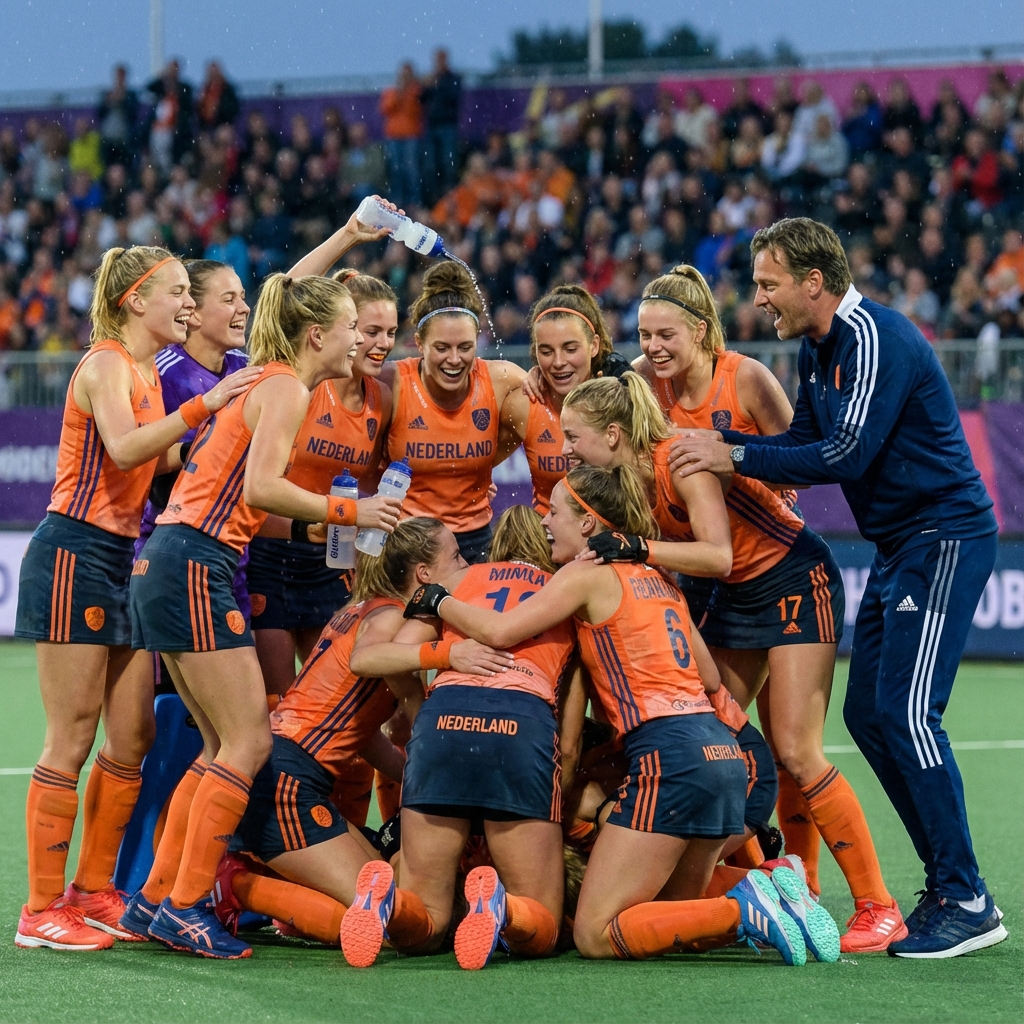
The Netherlands made history at Paris 2024 with the first-ever golden sweep. Here's what coaches at every level can learn from their dominance.
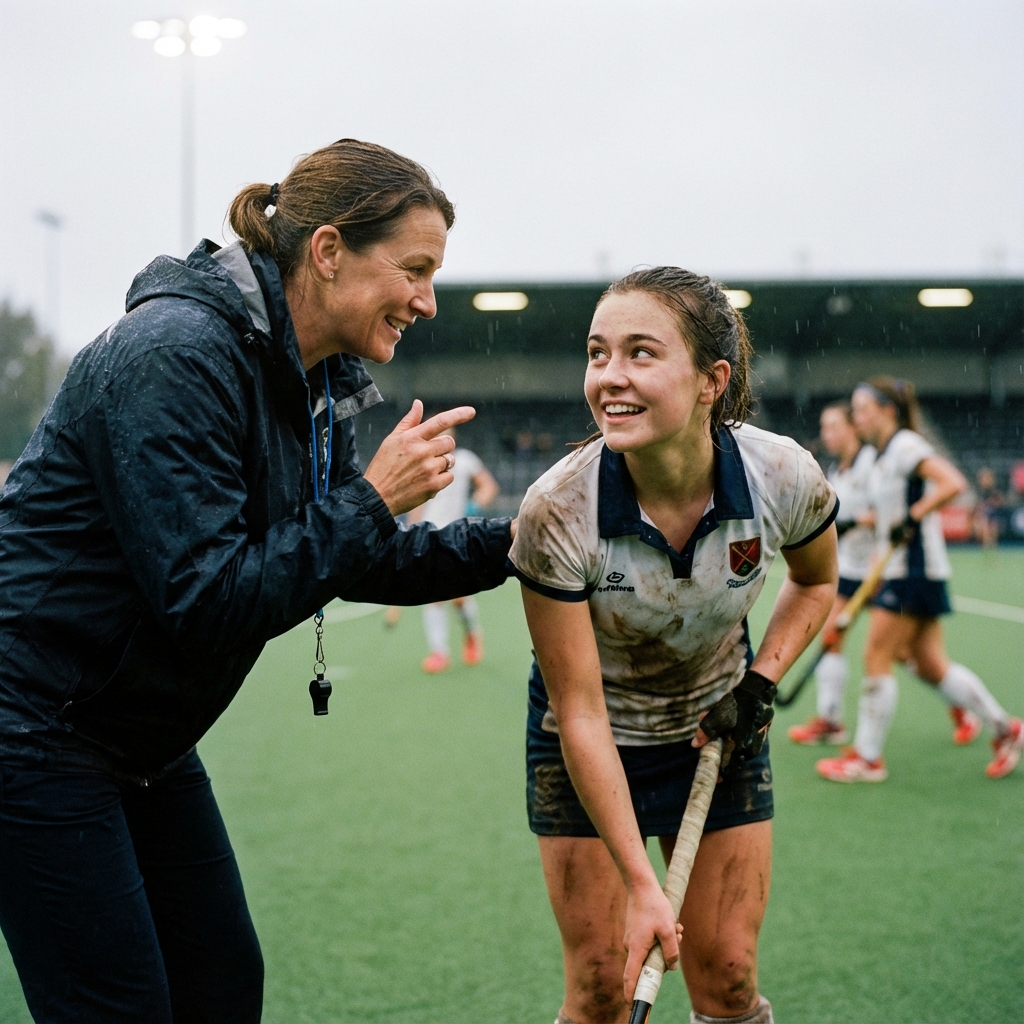
The best coaches build more than skills - they build connections. Learn how trust-based relationships transform team performance.









