

1. Mobility in receive position - In and out of cones towards top of D.
2. Open body to receive strong.
3. Hit at goal.
1. Mobility whilst in low postion. Feet shoulder width apart to keep balance. Agility of balls of feet. Stick low in preparation.
2. Aggresive carry position - open body to see ball and goal. Step back to open angles and receive open stick.
3. Early strike. Foot work and in low position at approch D. Make strick at top of D. Strike with left foot level with ball.
Rotate shoulders through the strike for maximum power.
Progression:
Reverse strike - hands and stick low, rotate shoulders through the strike.
Deflection work - delivery with slap. Ball to stay on ground. Firm wrists and follow through the slap. Ask players to step through and not leave the right foot behind the body.
Defelctions open stick - low hands in front of body, hands apart, strong arms. Angle stick to goal.
Deflections reverse stick - One hand, stick on ground, reach infront. Angle stick at goal.

in more ways than one
 sportplan_netball



in more ways than one
sportplan_hockey

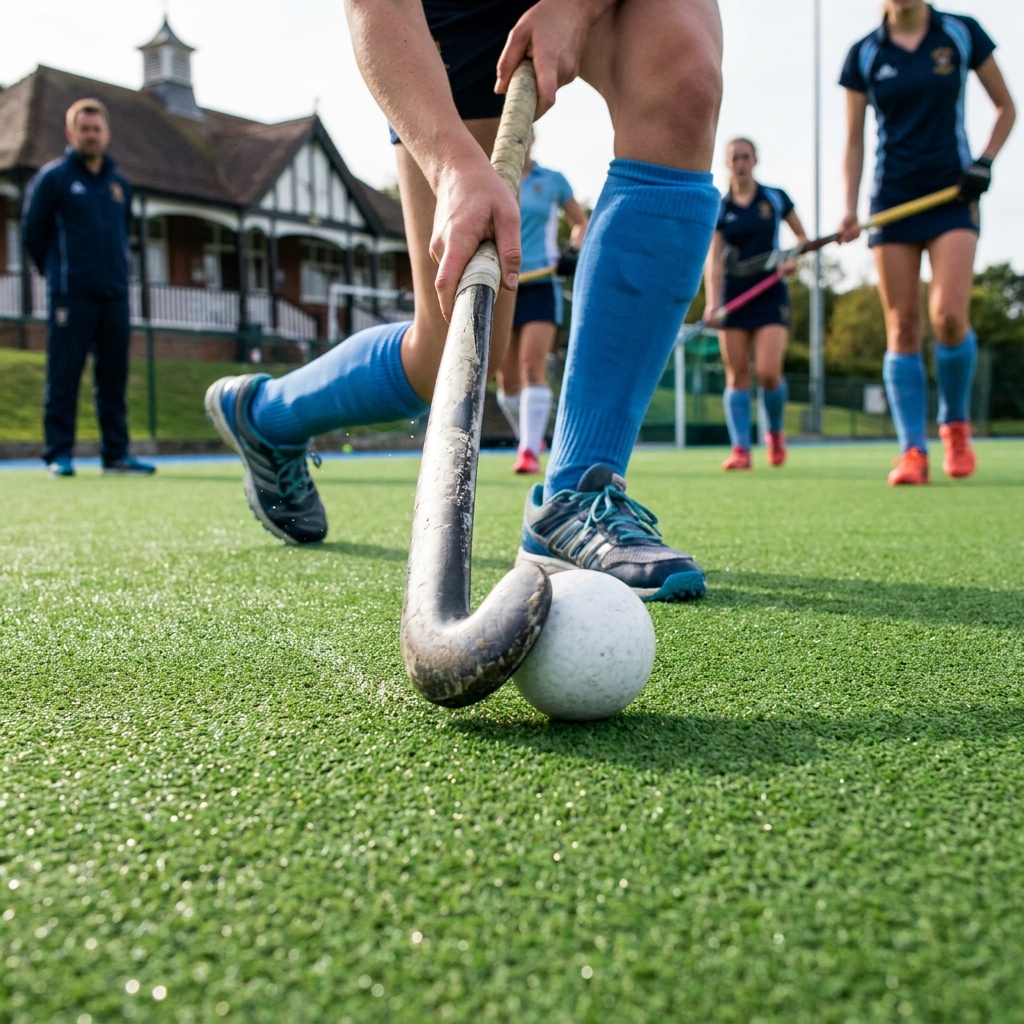
The first weeks of the season decide whether a junior or new player sticks with adult hockey. Here is how to keep them safe, give them a clear job and build their confidence from the very first bully.
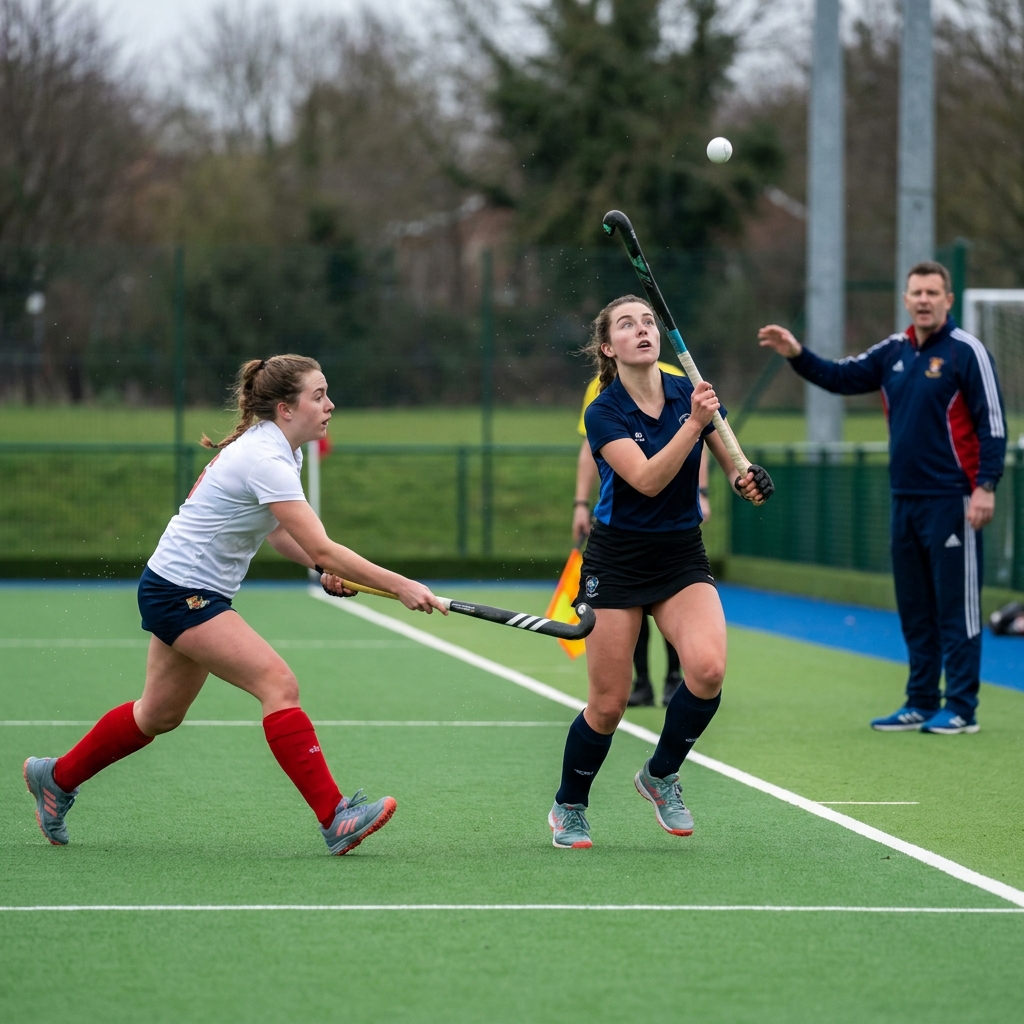
Most tackles are lost before the stick goes down. Teach your defenders to channel, wait and choose the right tackle, and you will win more ball and give away fewer cards.
England Hockey's rule guidance for 2026/27 takes effect from 1 September. Here are the changes that will actually alter how you coach, and how to brief your squad in one pre-season session.









