

1v1 attacking in alternating channels (left, right and centre) starting from red line. Mark channels with cones up to dotted line outside D.
Attacker plays ball to defender who plays ball back out then the drill is live.
Defender to swap after every couple.
Attacker to score, defender to drive ball out over red line.
If attacker doesn't get past defender, assistant coach to have shot at GK
Quickly progress to 2v1.
Protecting the middle of the pitch
Q&A why we should protect centre of pitch, more importantly the closer we get to defensive D.
2v2 in central channel
Quickly progress to 3v2
Defensive principle:
PALM = positive, aggressive, low, mobile
Positive – go forward rather than sink deep to make tackle. Go towards the player and be 1.5 strides away
Aggressive – be strong and decisive in the tackle
Low – left hand low (2 hands on stick)
Mobile – stay on toes and be able to change direction whilst staying low.
Channel the attacker wide.
2v1s: Goalkeeper to call the defender either onto the ball player or free player
Attack from top D is highest risk for defence; attack on left side of defence is next highest risk; attack on right side of defence is lowest risk
High defender channels the attacker wide. Deep defender comes in for block tackle.
If attacker gets past high defender, deep defender channels and high defender works back to cover deep defender.

in more ways than one
 sportplan_netball



in more ways than one
sportplan_hockey

The first weeks of the season decide whether a junior or new player sticks with adult hockey. Here is how to keep them safe, give them a clear job and build their confidence from the very first bully.
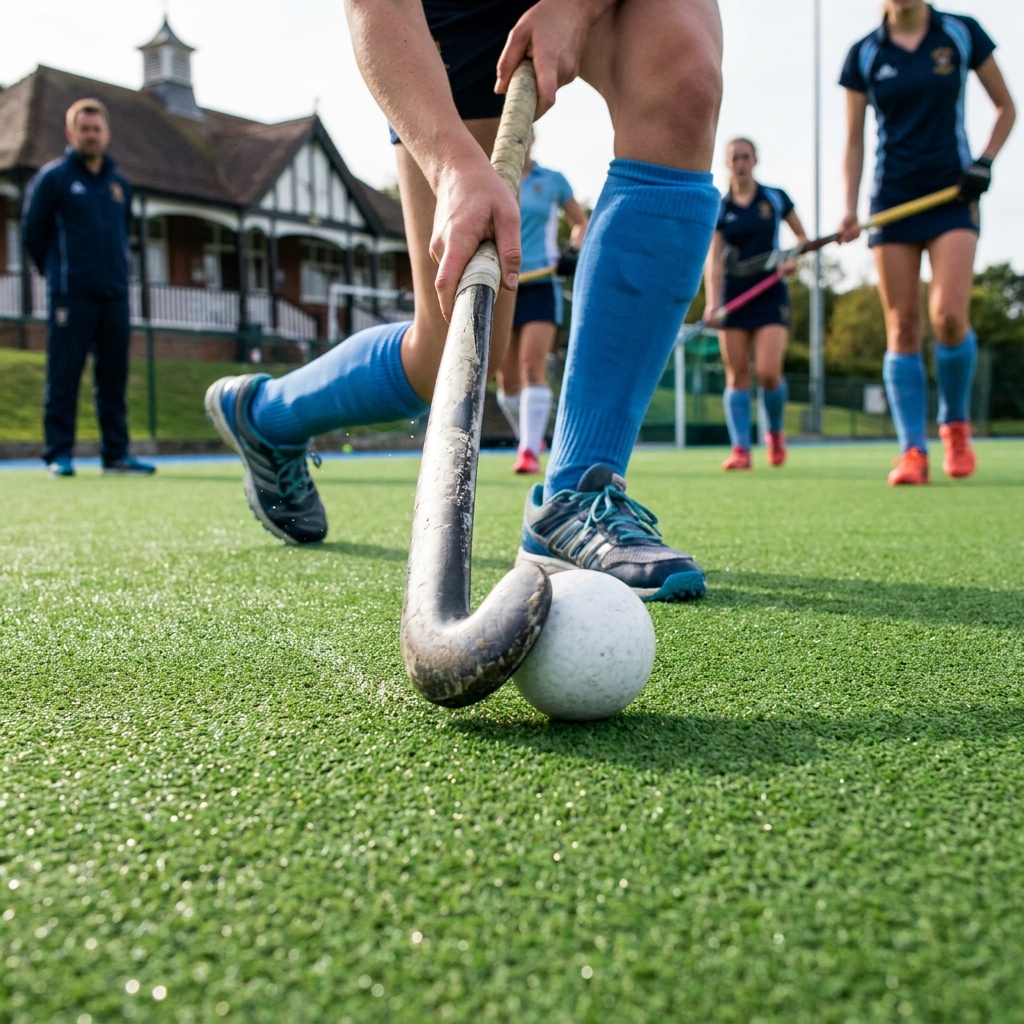
Most tackles are lost before the stick goes down. Teach your defenders to channel, wait and choose the right tackle, and you will win more ball and give away fewer cards.
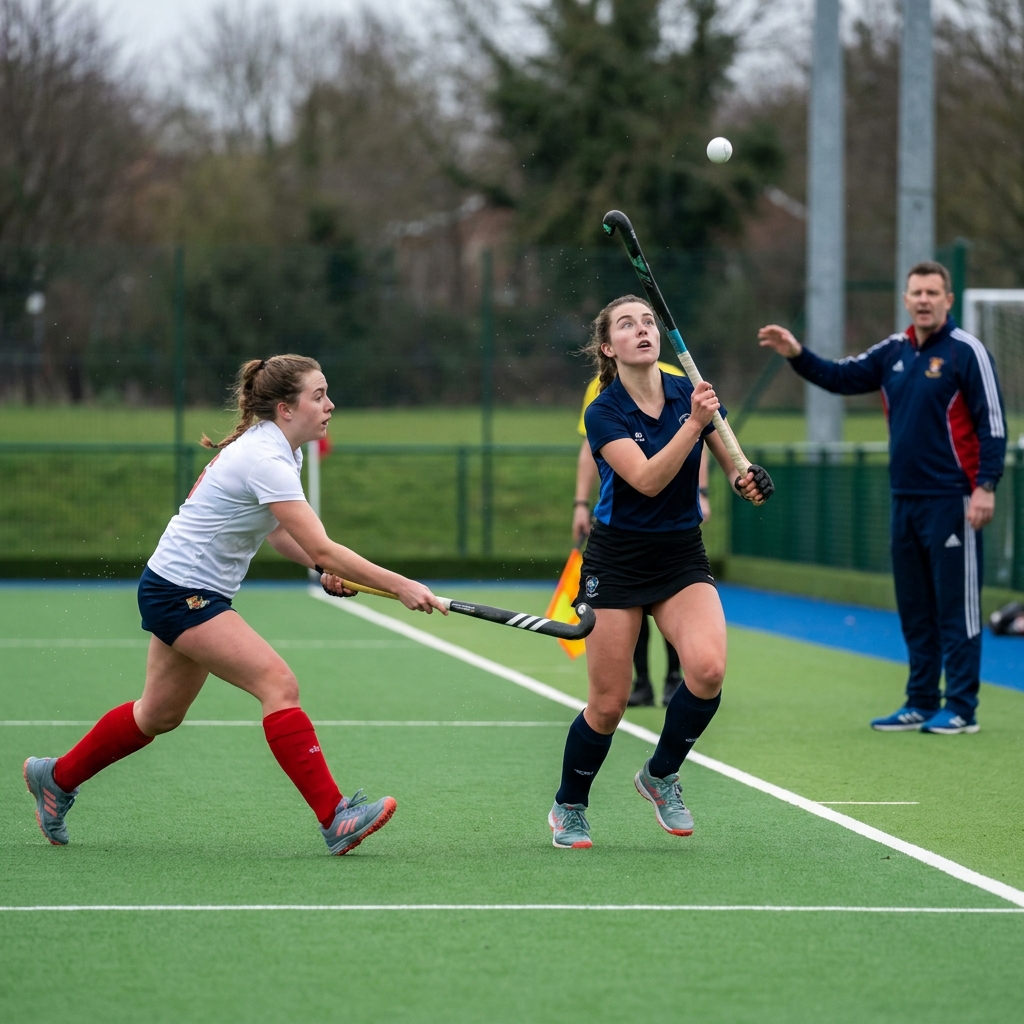
England Hockey's rule guidance for 2026/27 takes effect from 1 September. Here are the changes that will actually alter how you coach, and how to brief your squad in one pre-season session.









