

- player may not intend to win possession initially
- main aim to stop momentum of ball carrier & create situation which may enable defending team to win ball
- defender aims to gain possession by using jab tackle
- passive attacker
Alternative: active attacker/s; 2 vs 1 using goals
- when making jab defender lunges with their left foot forwards & takes right hand off stick - increases reach
- return right hand to stick asap
- quick movement
- sideways position - enable good balance, greater reach, protect feet
- should be on the left of the attacker when using jab tackle, engaging attacker & making it difficult to pass
- on balls of feet enables quicker movement & change of direction
- defending player may attempt to get attacking player to focus on ball & by making dummy jab tackles before actual tackle
- when performing a 'dummy jab tackle' defending player makes movements towards ball carrier to suggest that they are going to jab ball but player doesnt remove right hand from stick nor commit to tackle by lunging
- keep stick low to ground during tackle
- when jabbing front flat side of stick should be upwards

in more ways than one
 sportplan_netball



in more ways than one
sportplan_hockey
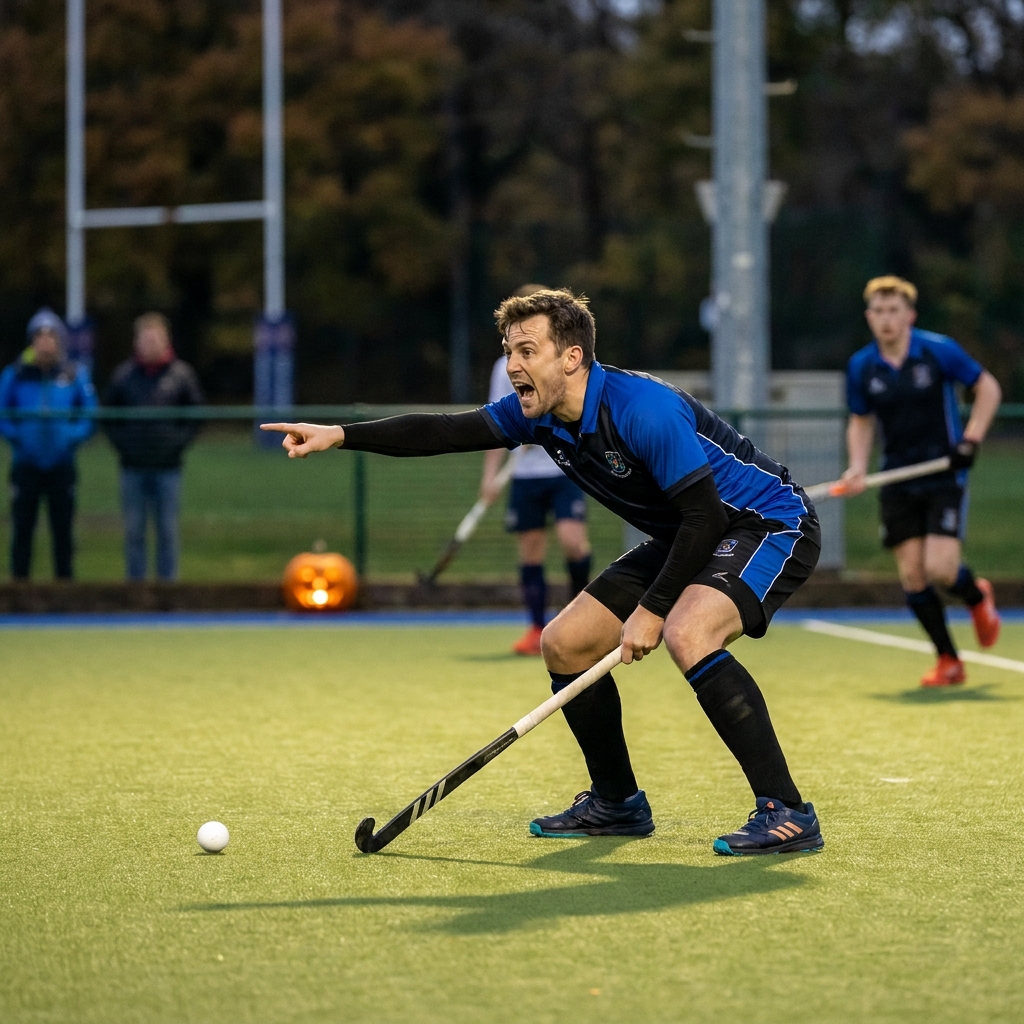
Two defenders chase the ball, nobody covers the runner, and a soft goal goes in. Here is the five-step treat for the mix-up haunting hockey defences this October.

A few weeks into the league season, poor first touches are costing teams the ball. Coach body shape, scanning and receiving on the move to keep possession.

Pre-season fitness fades fast once the league starts. Build conditioning into ball work and use rolling subs well to keep your squad sharp all season.









