

- closing down & dictating to the ball carrier where they can & cant move with the ball
- defending player looks to channel ball carrier in order to make them either push ball off pitch/create tackling opportunity
- most dangerous area of pitch for defenders is centre of pitch
- situation: if in middle of pitch defending player looks to channel player towards their (defending player's) right hand side (open stick side) or teammate's stick or towards sideline
- attacker starts with ball & attempts to score through cones - passive at first
- defender's aim is to run in an arc towards attacker & channel them away from goal towards the sideline
Progression: attacker more active & more game-like
:
add tackling defender: to make a flat stick block tackle when attacking player is distracted by channelling player then challenging defender can loop around & cover space behind the tackle
- if use jab/dummy jab tackle whilst channelling an attacker, then remove right hand from stick as lunge to jab at ball
- attempt to close down attacking player by running in an arc/curve towards ball carrier to force ball carrier onto defenders stick side & ball onto reverse stick
sideways onto attacker when channelling, balls of feet
- defending player should have hips pointing in same direction, match speed of attacker, but stay behind the line of the ball with stick in front of ball 'line'

in more ways than one
 sportplan_netball



in more ways than one
sportplan_hockey
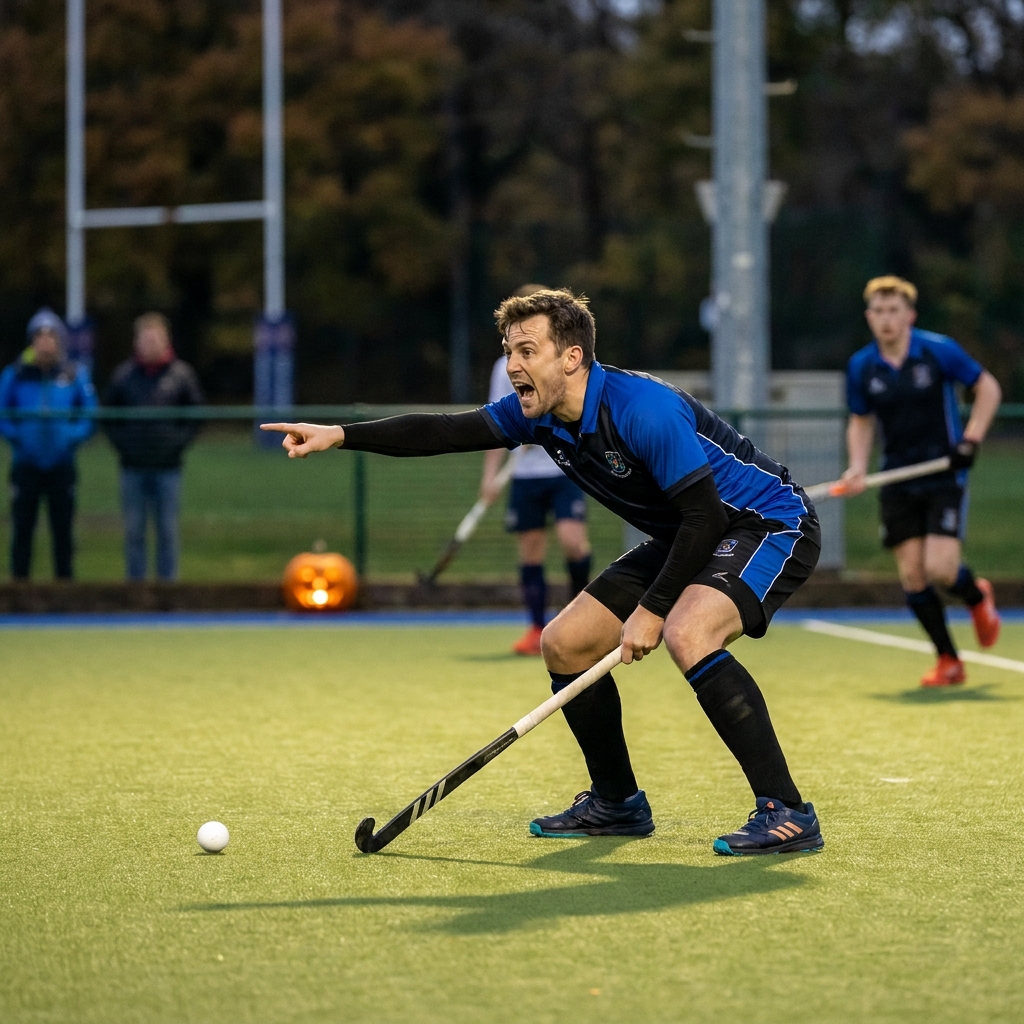
Two defenders chase the ball, nobody covers the runner, and a soft goal goes in. Here is the five-step treat for the mix-up haunting hockey defences this October.

A few weeks into the league season, poor first touches are costing teams the ball. Coach body shape, scanning and receiving on the move to keep possession.

Pre-season fitness fades fast once the league starts. Build conditioning into ball work and use rolling subs well to keep your squad sharp all season.









