

- practice v drag at each cone (from left to right & right to left) throughout the slalom
- imagine cones are defenders & practice faking & exaggerating
- Progression: pairs - 1 v 1, attacker using V-drags looks to score in an area without being blocked or losing possession. defender passive/aggressive
- exagerate how much you shift your bodyweight to fool defender into thinking you're heading towards open stick
- drag ball back towards body & then rapidly push ball out in front slightly to right of body
- control ball with open stick through acceleration
- keep ball & stick in contact throughout
- keep left elbow high to allow for a more upright stick with hands & arms away from body
- maintain strong left elbow position
- deceleration stride (on right foot) is crutical to provide effective change of direction from left to right
- player runs at an angle towards their opponent's right foot with an intention to pass them on left-foot side

in more ways than one
 sportplan_netball



in more ways than one
sportplan_hockey

The first weeks of the season decide whether a junior or new player sticks with adult hockey. Here is how to keep them safe, give them a clear job and build their confidence from the very first bully.
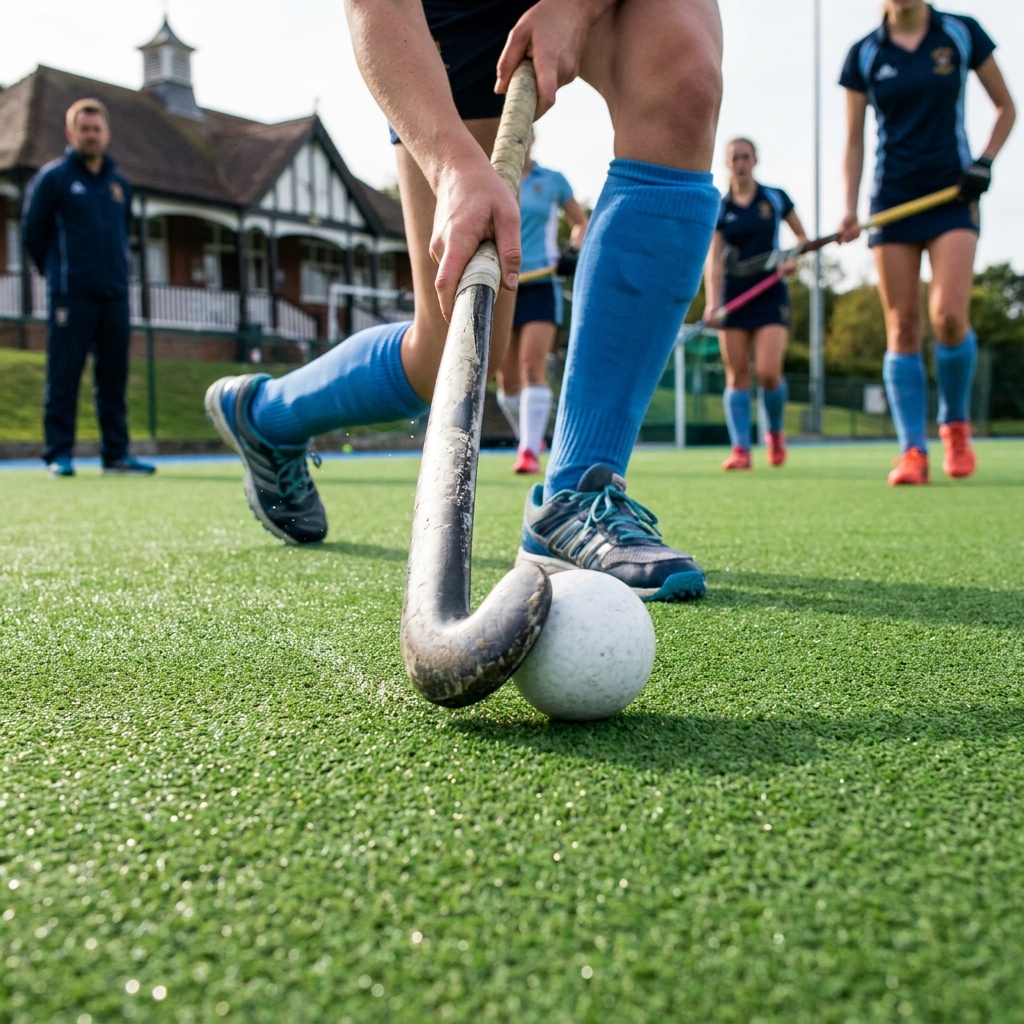
Most tackles are lost before the stick goes down. Teach your defenders to channel, wait and choose the right tackle, and you will win more ball and give away fewer cards.
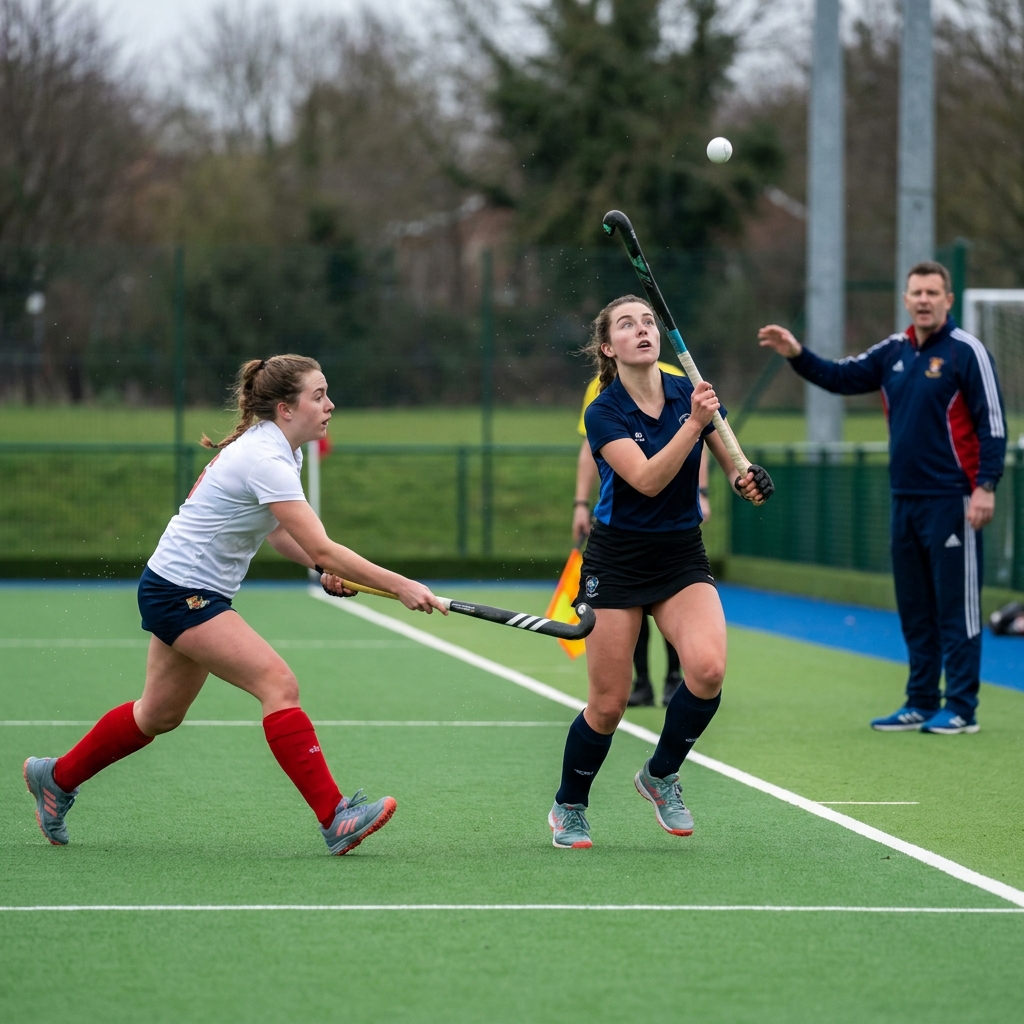
England Hockey's rule guidance for 2026/27 takes effect from 1 September. Here are the changes that will actually alter how you coach, and how to brief your squad in one pre-season session.









