

The left defence passes it out to the right defence as if it's a sixteen. The right defence then passes it to the centre mid who does a v drag pass the red cones (which represent the defender) and then passes out to the right wing. THe right wing dribbls it round the green cones and the passes it to the centre forward. The centre forward will have timed their run, out to the yellow cone, back to the green, back to the yellow (runs to get free) and then a hit in front of the red cones. The drill on the other side encludes partners. One dribbles past the red cones and then passes it to their partner who should be in position. They pass it back whilst running toward the D. They keep on passing until one of them gets to the last yellow cone, just before the 25m line. They then dribble it down to the cone outside the D whilst their partner is getting in front of the red cones by the penalty spot in the D. They receive the ball and take a hit.
This can include a goalie and is for 7a side.

in more ways than one
 sportplan_netball



in more ways than one
sportplan_hockey

The first weeks of the season decide whether a junior or new player sticks with adult hockey. Here is how to keep them safe, give them a clear job and build their confidence from the very first bully.
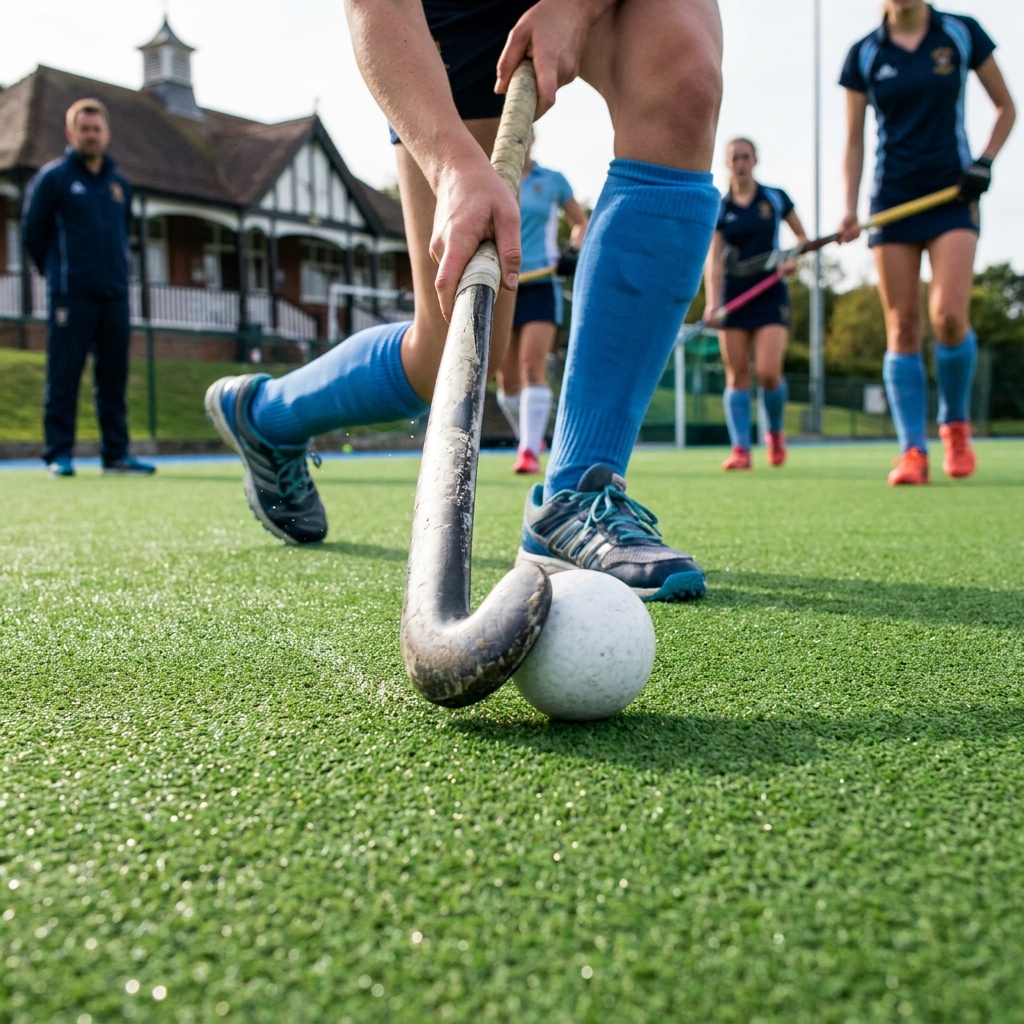
Most tackles are lost before the stick goes down. Teach your defenders to channel, wait and choose the right tackle, and you will win more ball and give away fewer cards.
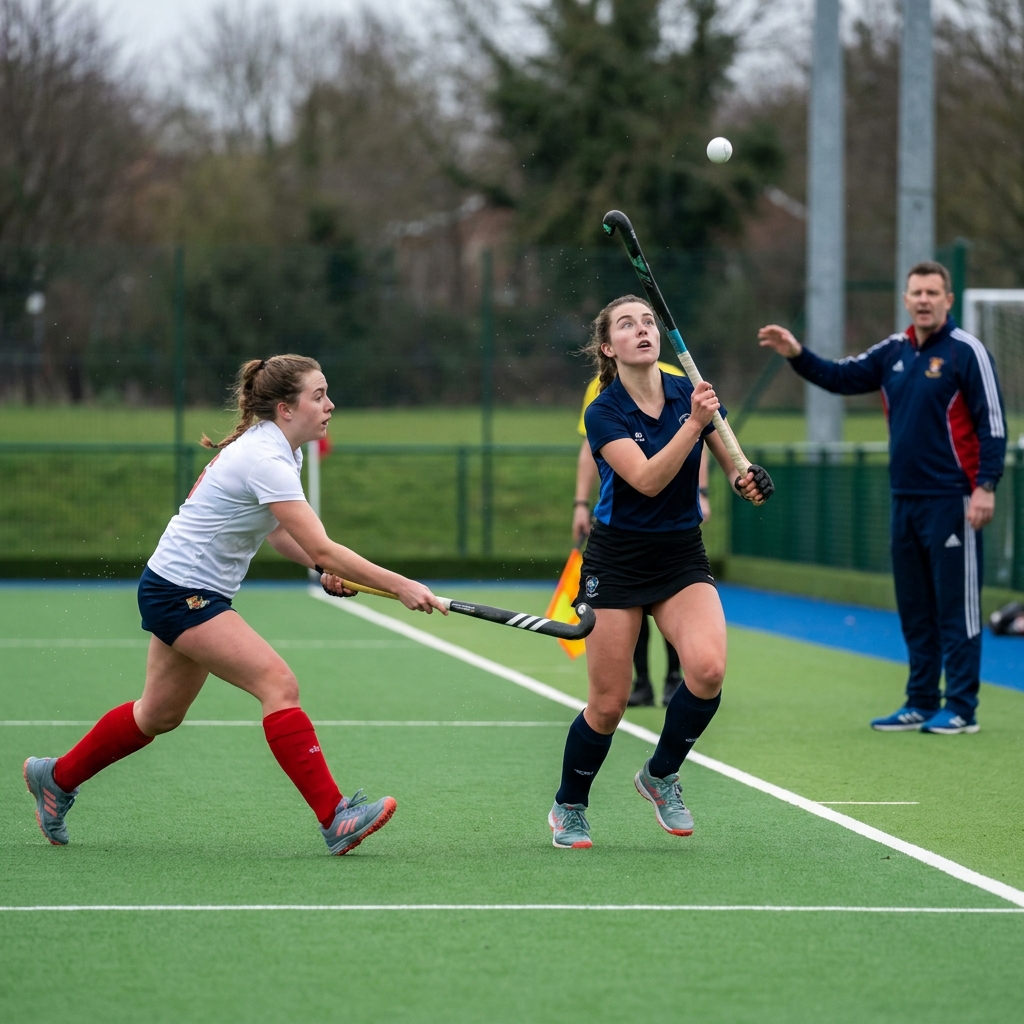
England Hockey's rule guidance for 2026/27 takes effect from 1 September. Here are the changes that will actually alter how you coach, and how to brief your squad in one pre-season session.









