

Divide into even numbers, at least 4 per team. Defenders start in the D as they feel best, attackers start with max 3 players in the D, the rest of the attackers start on the 23. They move at speed to get the ball into the D, passing on the move as well as moving to space.
As soon as the attackers set off the defenders can move out of the D if they wish. They have 90 seconds to score a goal or if the ball goes dead beyond the base line. Defenders need to clear the ball beyond the 25, clearing over the base line is discouraged as it would result in penalty corner.
After the attackers score or if the ball is cleared/goes dead, teams swap. Ideally this is done with 3 teams rotating through attack > defence > rest. As soon as the attackers set off the resting team can start making their way to start positions ready to run into the D, as soon as the ball goes dead/scored they can start their attack.
Looking for players to be calling and moving to space. Passing and receiving on the move will be key to ensure players do not get isolated. The most successful places to score from are from either post or the P-spot, attackers should look to use these positions

in more ways than one
 sportplan_netball



in more ways than one
sportplan_hockey

The first weeks of the season decide whether a junior or new player sticks with adult hockey. Here is how to keep them safe, give them a clear job and build their confidence from the very first bully.

Most tackles are lost before the stick goes down. Teach your defenders to channel, wait and choose the right tackle, and you will win more ball and give away fewer cards.
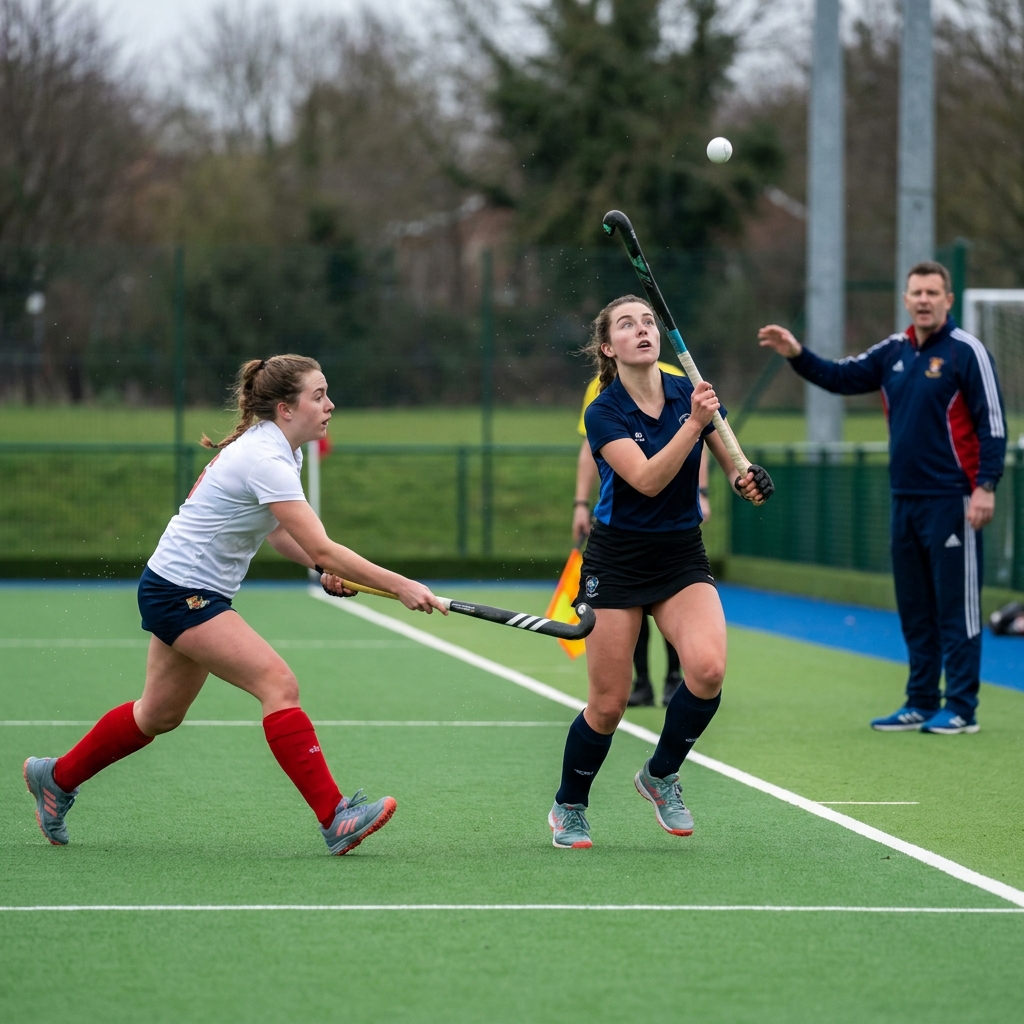
England Hockey's rule guidance for 2026/27 takes effect from 1 September. Here are the changes that will actually alter how you coach, and how to brief your squad in one pre-season session.









