

1. In groups of 3. Middle player receives a pass, passes back, then turns on spot and does same with opposite player.
2. In pairs, each player behind a cone. Some variants:
3. Groups of 4, with 2 balls. Each player in front of a cone. Working in pairs, 2 players pass simultaneously to the opposite pair, then switch places. The receivers should hold the ball until the other pair have switched place, before returning the pass.

in more ways than one
 sportplan_netball



in more ways than one
sportplan_hockey
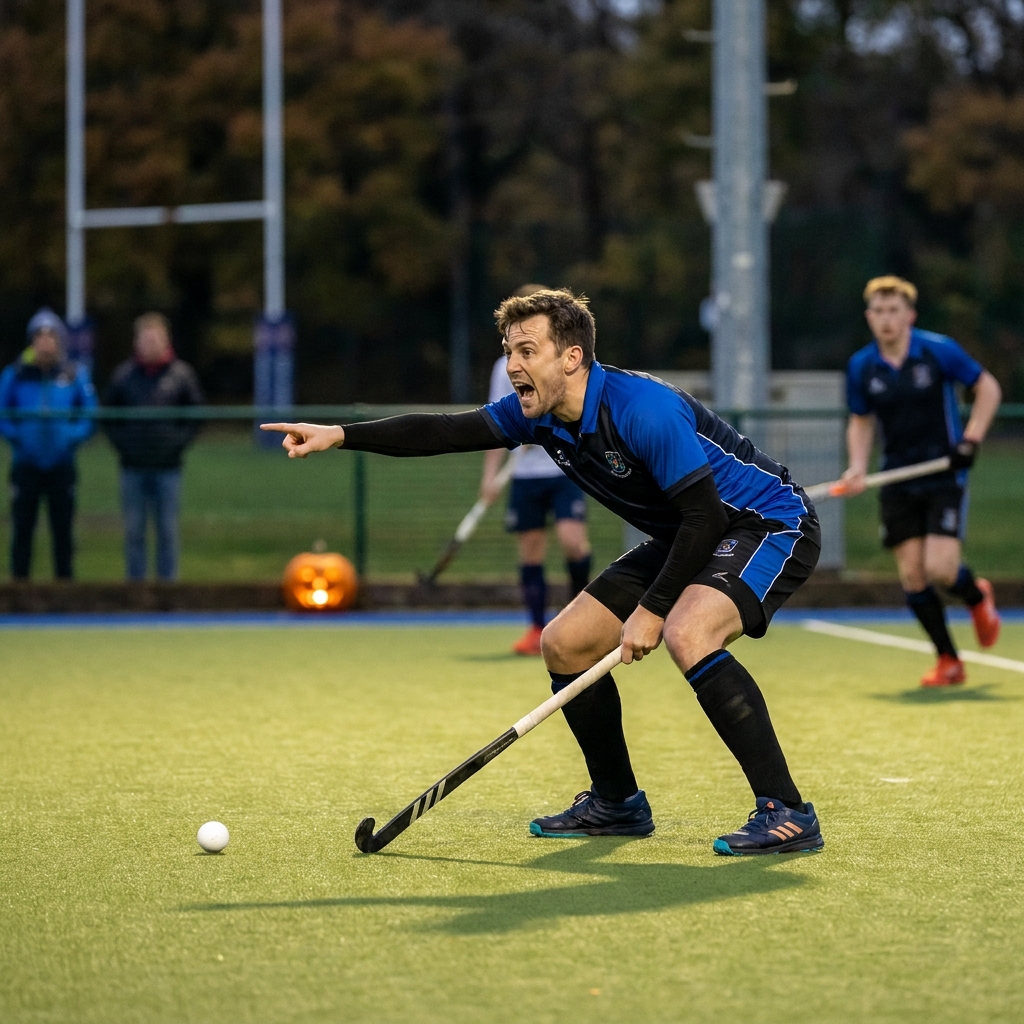
Two defenders chase the ball, nobody covers the runner, and a soft goal goes in. Here is the five-step treat for the mix-up haunting hockey defences this October.

A few weeks into the league season, poor first touches are costing teams the ball. Coach body shape, scanning and receiving on the move to keep possession.

Pre-season fitness fades fast once the league starts. Build conditioning into ball work and use rolling subs well to keep your squad sharp all season.









