

1. 2 players per 2 cones. Receive ball on forehand, switch ball to your reverse side and return pass to receiver's forehand with a reverse slap.
Variation: Same as above, but return pass using an upright reverse push.
2. Receive ball on your reverse side with a reverse block, do a double drag L>R and R>L, then return the pass on your reverse with a slap.
Variation: receive the ball and return the pass with an upright reverse pass.
3. Player1 dribbles to left of cone B, drags right of cone B, then without turning round, plays a no-look pass back to Player2, who returns the pass. Player1 dribbles to cone C, turns, does a double drag R>L then L>R behind cone C, and passes back to Player2 at cone A. Player2 does the same with Player3.
Variation: Same as above, but Player1 does a double drag at both cones.
These activities practise use of the reverse stick (block, slap, upright push).

in more ways than one
 sportplan_netball



in more ways than one
sportplan_hockey
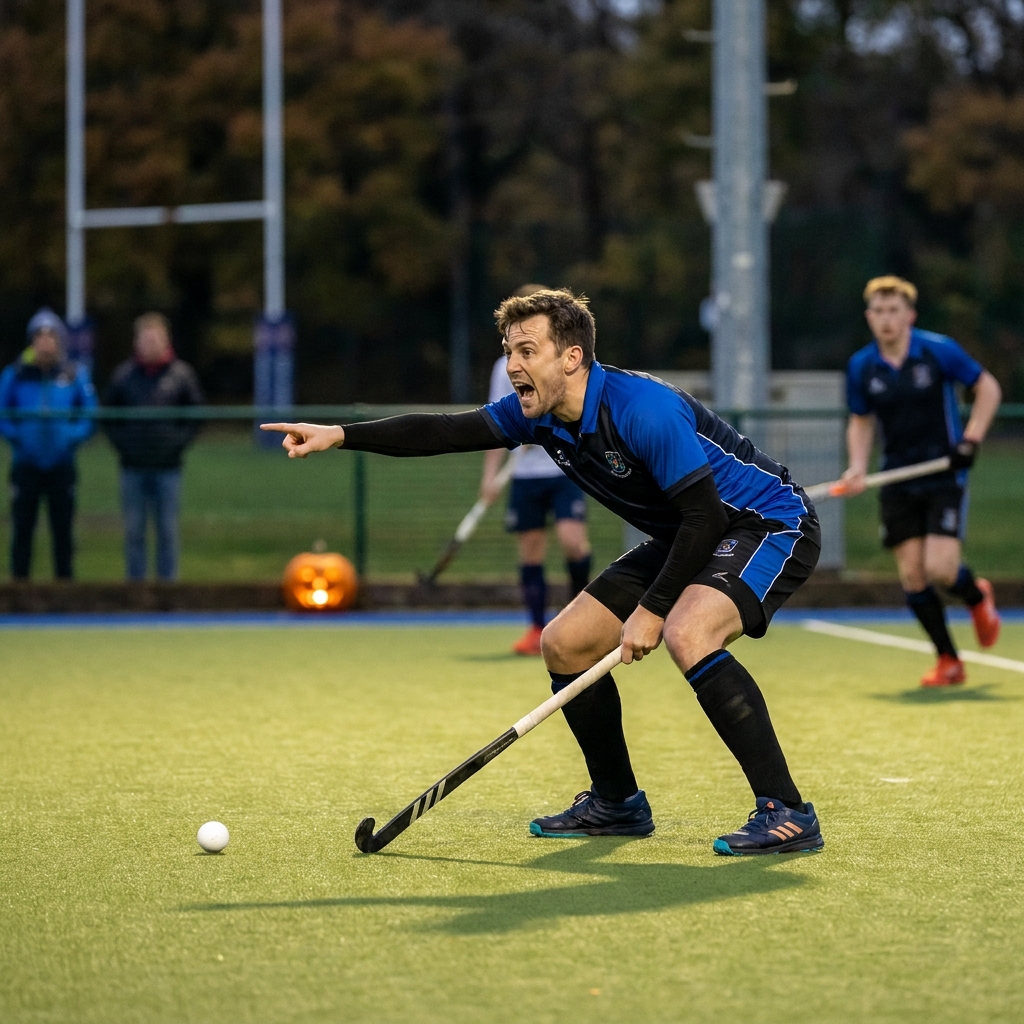
Two defenders chase the ball, nobody covers the runner, and a soft goal goes in. Here is the five-step treat for the mix-up haunting hockey defences this October.

A few weeks into the league season, poor first touches are costing teams the ball. Coach body shape, scanning and receiving on the move to keep possession.

Pre-season fitness fades fast once the league starts. Build conditioning into ball work and use rolling subs well to keep your squad sharp all season.









