

1) Defend the square
Defenders protect the square. Attackers must pass through it OR pass into it. No defenders in the square. Defenders must take the ball to the edge to the edge to become attackers.
2) Hoops
Team A carry all their balls into Team B's empty hoops. Team B defends by tackling and clearing balls out of the pitch. Team B can't touch balls in any hoops. Stop after 5 mins or when all balls are in Team B's hoops.
Optional for lower ability/youngest players:
3) Capture the flag
2 teams, 4 gates. Aim is to capture each gate by passing ball through it. When 1 team wins all 4 gates, mix up teams and replay.
When a team "captures" a gate, they or the coach place their coloured cones over the opposition's cones.
4) Normal game with mini goals, but with the goals oriented backwards.

in more ways than one
 sportplan_netball



in more ways than one
sportplan_hockey
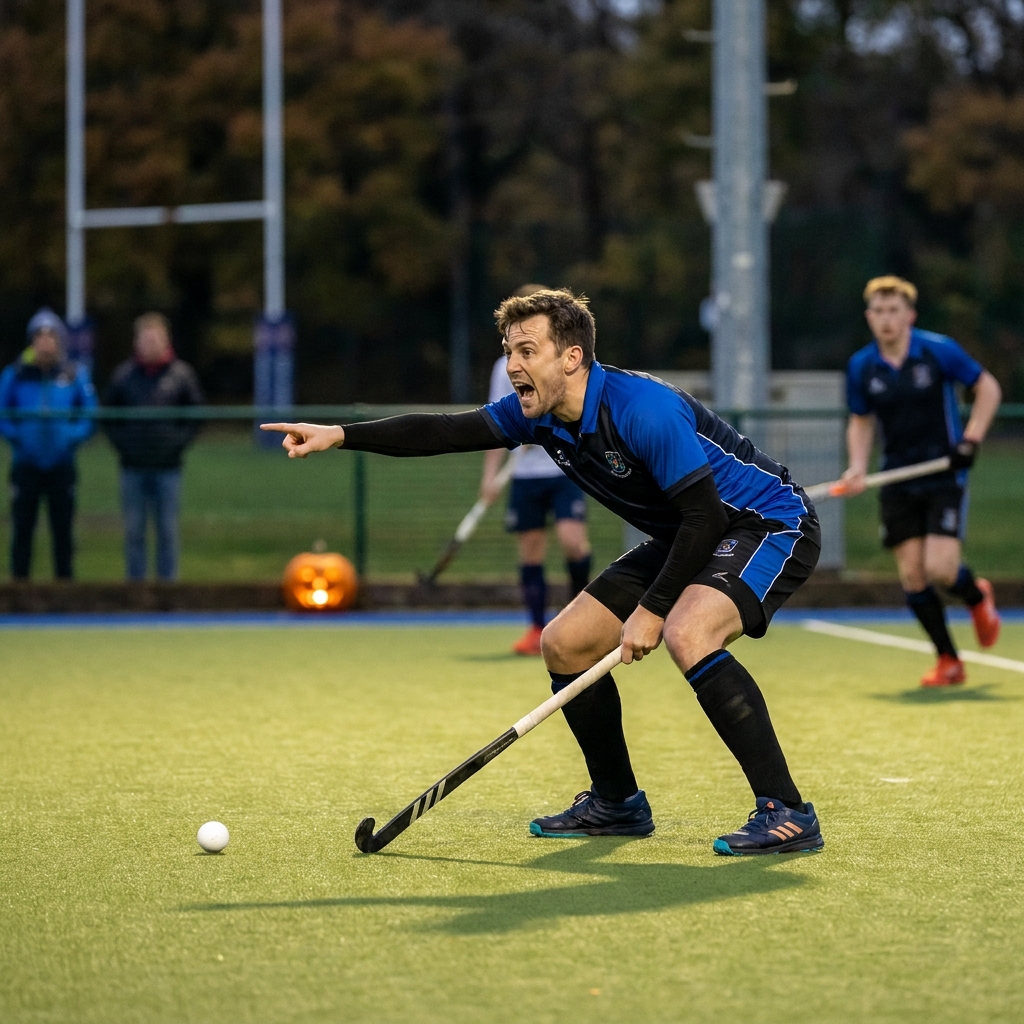
Two defenders chase the ball, nobody covers the runner, and a soft goal goes in. Here is the five-step treat for the mix-up haunting hockey defences this October.

A few weeks into the league season, poor first touches are costing teams the ball. Coach body shape, scanning and receiving on the move to keep possession.

Pre-season fitness fades fast once the league starts. Build conditioning into ball work and use rolling subs well to keep your squad sharp all season.









