

Split group into two groups to play this game (look to have 4 or 5 players in each group, remember you can play too :). Note: Pay attention to the size of the circle and change as needed for your group and to change the challenge.
Game w/out sticks: All the players, except the first person who is "It", sit in a circle at cone. "It" walks around the circle, tapping each player on the head, saying “duck” each time until he decides to tap someone and say “goose.”
That person becomes the goose and runs after It, trying to tag him before It can take his seat. If It successfully reaches the goose’s seat without being tagged, the goose is the new It.
Game w/ stick & balls: Player that is it jogs around outside of cones saying duck, duck, duck to players... when they say goose the race begins. Player that is It must run around outside of circle and get back to the outside cone before the player at the cone dribbles their ball around the inside cone in the centre of circle and back to their outside cone.
a) Players on cone waiting in ready position
b) Players on cone waiting in different positions, ex; sitting down, standing on one foot, stick on ground, lying down, crouched like a duck, etc....
Note: Make sure everyone gets a chance to be it (ie; swap "it" person out if needed)

in more ways than one
 sportplan_netball



in more ways than one
sportplan_hockey

The first weeks of the season decide whether a junior or new player sticks with adult hockey. Here is how to keep them safe, give them a clear job and build their confidence from the very first bully.

Most tackles are lost before the stick goes down. Teach your defenders to channel, wait and choose the right tackle, and you will win more ball and give away fewer cards.
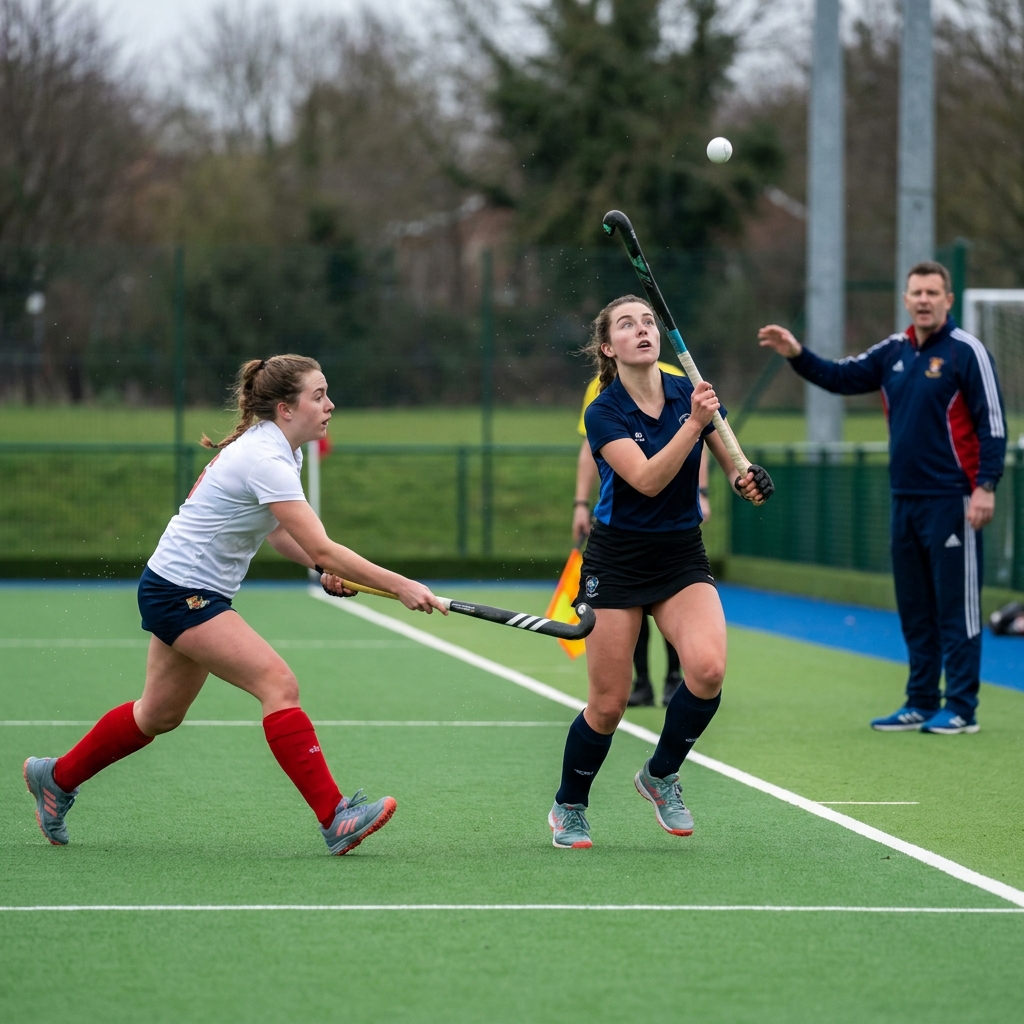
England Hockey's rule guidance for 2026/27 takes effect from 1 September. Here are the changes that will actually alter how you coach, and how to brief your squad in one pre-season session.









