

Coaches: Dave & Si (can do the intro together before breaking into 2 groups).
Players x32 - two games of 16 (8-a-side0. 1s & 2s / 3s & 4s
Objective: Phases of play with and without the ball in key transitions. Particular focus on SCRAMBLE phase.
Exercise "normal" game with additional point scoring opportunities.
When blue team loses ball in attacking 3rd - midfield players "fall-back" into central 3rd to get back into triangle shape. Win a bonus point if they can disposess in the central 3rd.
If a red player can carry the ball through the central third - they score a bonus point. Important for coaches to keep score (use counters).
Turnovers are a "race" between team in possession breaking quickly and new defensive team "scrambling" into shape. Same as we quickly set the press, but it open play.
Attacking team is looking to move the ball through the phases:
Keep > Create > Attack (forward fast)
How can we get it to a player who can accelerate through space. Can we do it before defensc set up?
Defending team:
Moving through phases to win the ball back:
Scramble > Deny > Dictate > Win
Stress the importance of the first 3 seconds after losing the ball. First 5 yards to get back behind ball and into shape.

in more ways than one
 sportplan_netball



in more ways than one
sportplan_hockey
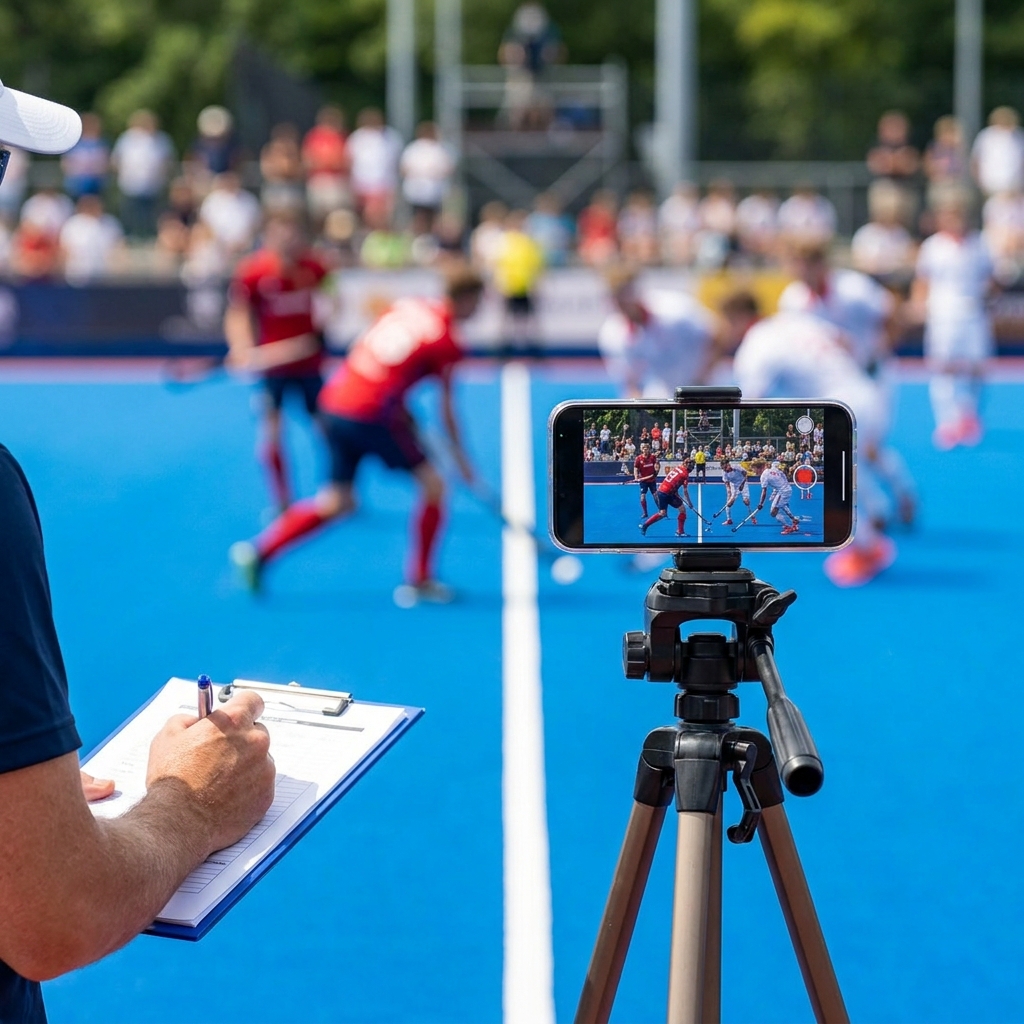
Video analysis is no longer a luxury reserved for international squads. With a phone, a tripod and a free editing tool, any club coach can build a weekly review habit that transforms how their team learns.
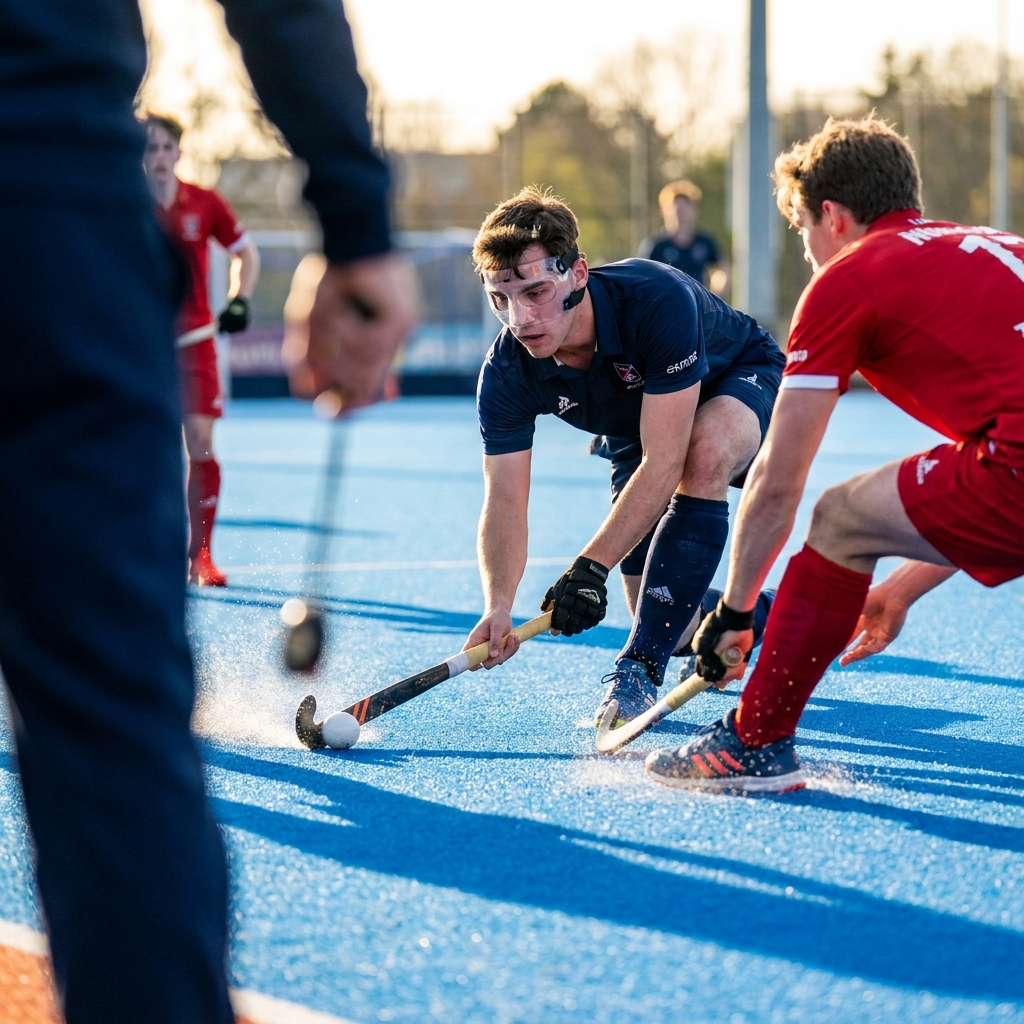
With mandatory masks now in place, the defensive corner has changed. Outrunners are committing harder, postmen are positioning differently, and the goalkeeper has new sightlines. Here's how to rebuild your PC defence for 2026.
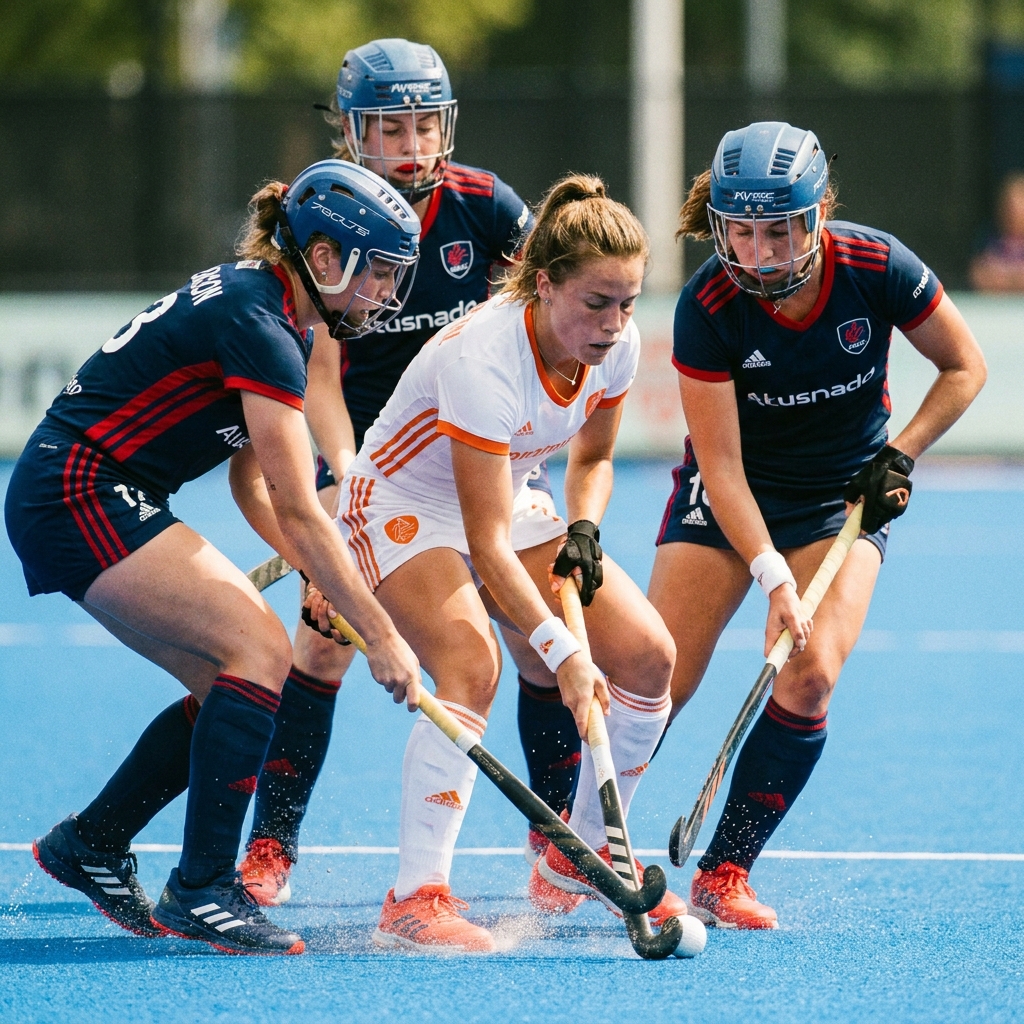
The Pro League's most dangerous teams now win the ball back within five seconds of losing it. Here's how to teach counter-pressing at any level, with triggers, drills and a session plan.









