TRANSFORM YOUR TEAM'S SEASON WITH PROFESSIONALLY PLANNED SESSIONS
Use our expert plans or build your own using our library of over 700+ drills, and easy-to-use tools.
JOIN NOWplaese tell me the key factors of a miss pass

Hi, for whatâs itâs worth it really depends when and where you are going to use it. Iâd say the first factor after your players have learned to pass â is distance. Donât forget that you might be giving a miss pass to players that are close â if that is the case, do you really need to be putting a great deal of spin on the ball (the weight of the pass). Iâd also say that the pass must be such that the receiver can run onto the ball at pace. Decision making is vital.
A good reason for a miss pass might be passing to a player or group of players that wish to take advantage of a mismatch, or passing to space for a player to come onto the ball at pace, or maybe your next ball receiver is just not a good option now - they have been slow to keep up or they are carrying an injury. Maybe your attacking pattern is about stretching defences and youâre running fast zig zag patterns that requires a fast attack in one direction, then another, before exploiting any gaps that might appear.
A bad decision for a miss pass might be when the defence is drifting well with fewer numbers than you have in attack â therefore allowing the defence to simply push your attack toward the side line.
Others factors, itâs also important that the receiver is not running a line away from the ball (at least when they come in to take it), or your pass may fall short â and what are the player/s in-between doing â are they running dummy runs, calling for the ball, blocking the drift?
As always the basics of passing stand true. All this said, I would say the most important factor of all â is that players know why they are throwing a miss pass and what they hope to achieve from it.
Hope this helps, even if just a little.
P.

in more ways than one
 sportplan_rugby

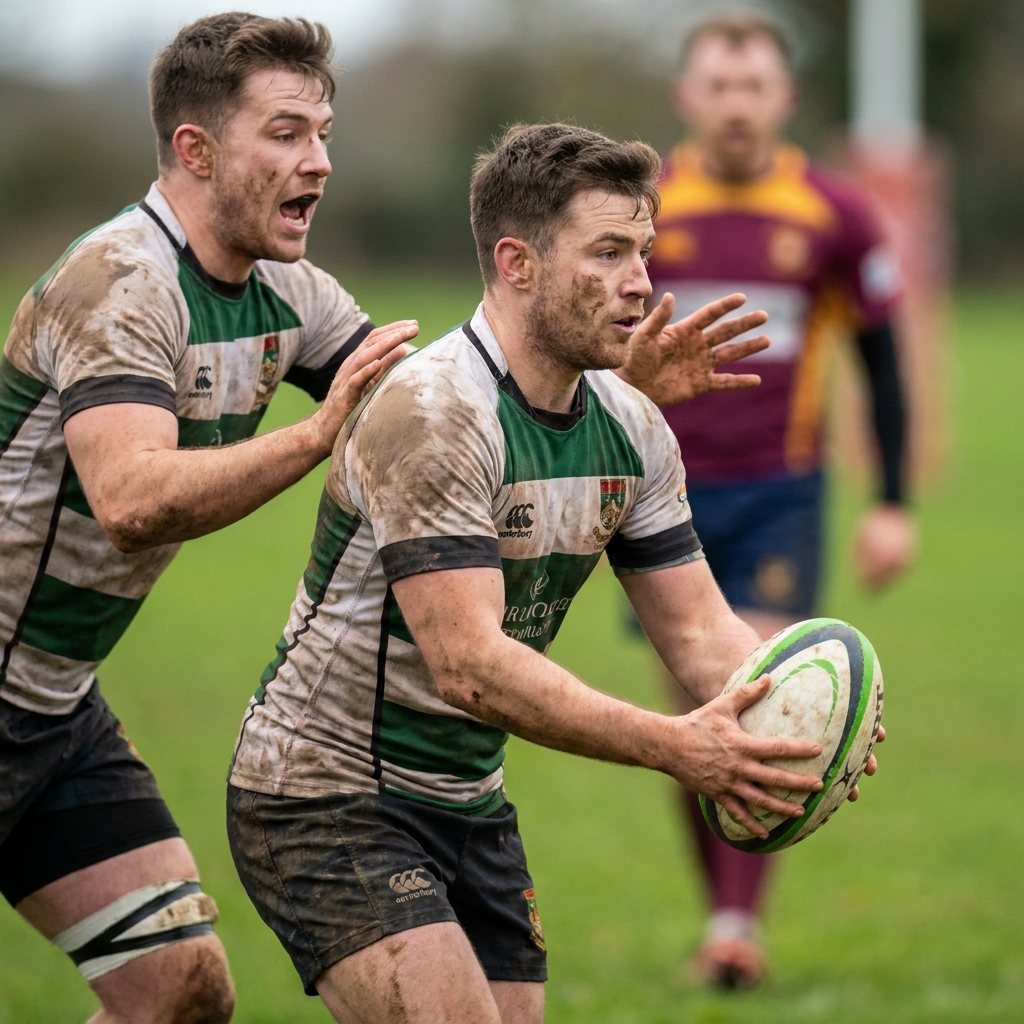
Most line breaks are made by support runners, not ball carriers. Teach the angles, depth and timing that get them there.
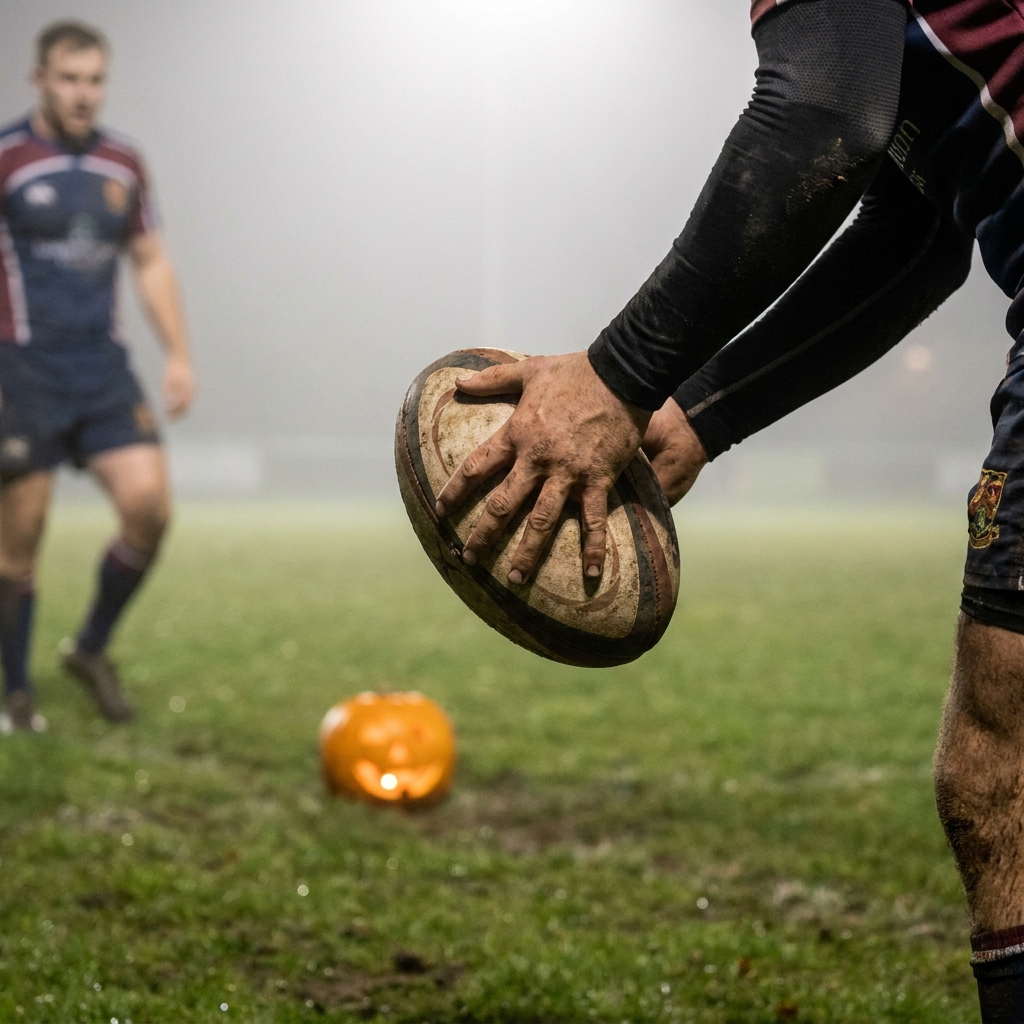
The isolated ball carrier is rugby's spookiest turnover. Here is the five-step fix, plus drills that rebuild support lines fast.
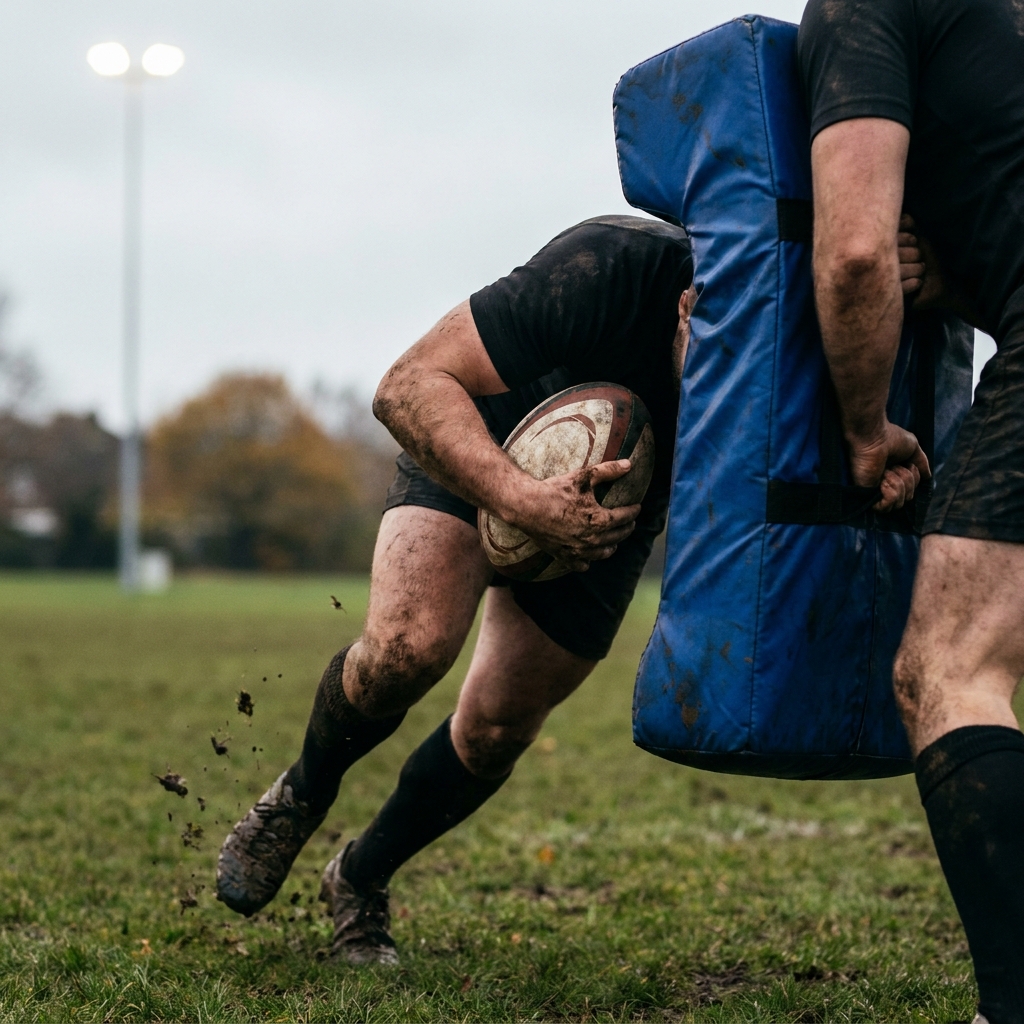
Tacklers are aiming lower, so carriers who dip late put heads at risk. Teach footwork, a strong early body height and leg drive to win the collision safely.
Use our expert plans or build your own using our library of over 700+ drills, and easy-to-use tools.
JOIN NOW