TRANSFORM YOUR TEAM'S SEASON WITH PROFESSIONALLY PLANNED SESSIONS
Use our expert plans or build your own using our library of over 700+ drills, and easy-to-use tools.
JOIN NOWMy team is having trouble going past the ball when rucking. We are working on body heights and hitting past the ball but any suggested drills would be a great help.

Ian,
have you asked them why?
You have an expectation of what you want to see happen, but they may have different ideas about it. Neither are generally wrong, but its what you use that is most effective for the capabilities of the team.
Whenever I take on a new team and we touch on the ruck during some 'brainstorming', I put 2 words on the board "BOMB" or "BRIDGE" (and by bridge, I don't mean 'sealing') then spend no longer than 5 mins chatting on each, then weigh up what the team do best - or even if they equally good at both (which is a plus). I don't tell them to do either, they read the situation and make a decision as to what they think is best in the given situation.
We then go out on the paddock and look at situations where both can be used. I find this then gets players thinking of the need to ruck beyond the ball and also why they're doing it, which in todays 'thinking' game is what makes the difference between teams. The 'doing' it only gets you so far, its the 'WHY you're doing it that propels you further'.
Maybe, you might find that the practices you're using are fine, its just how you talk things through with them.

Ian
In addition to Dennis' answer I find this drill (see attached) ensures players are committed to rucking past the ball as the defence is right on the gain line.
I hope this helps
Simon
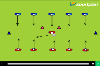
Ian, this is a practice that I use for counter rucking, which could be useful for getting players to ruck beyond the ball.


Thank you so much for your replies. I'll give them a go and see how the team reacts. Thank you Ian

in more ways than one
 sportplan_rugby

Most line breaks are made by support runners, not ball carriers. Teach the angles, depth and timing that get them there.

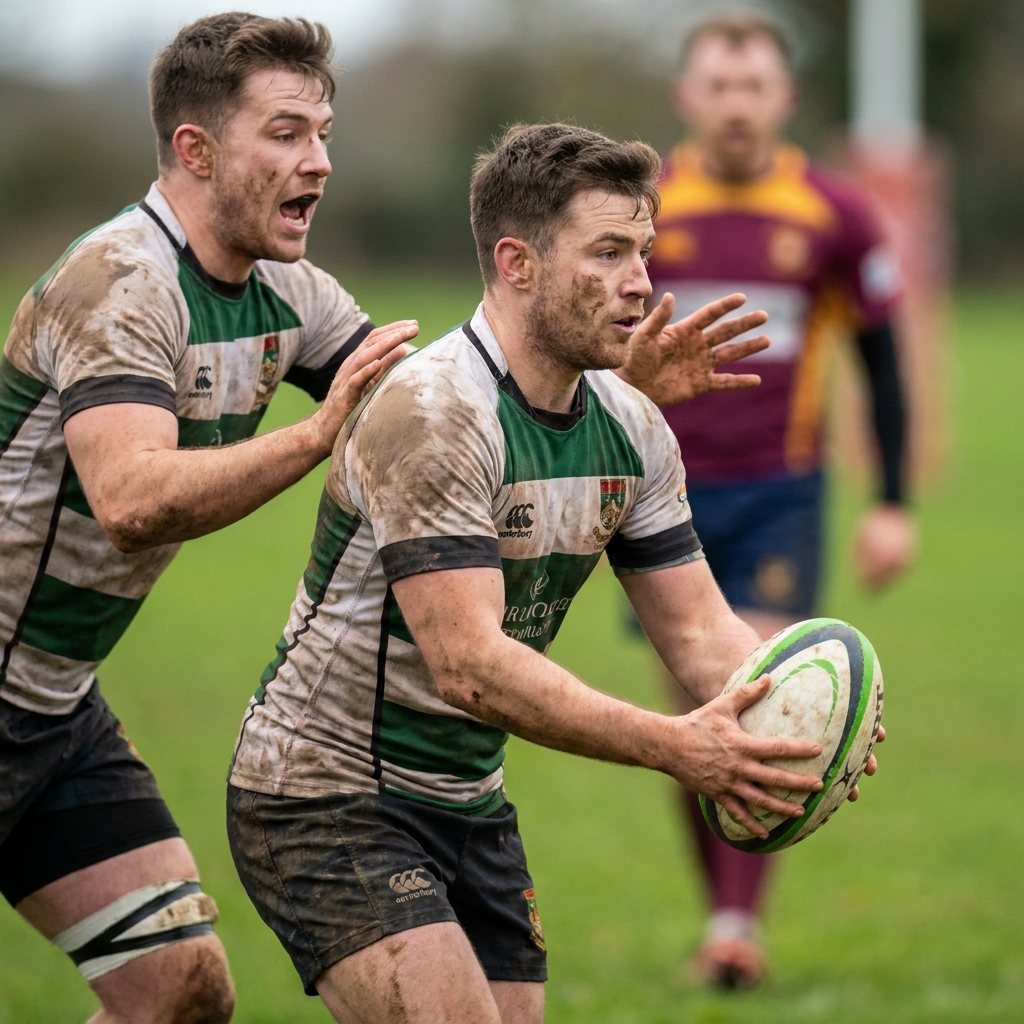
The isolated ball carrier is rugby's spookiest turnover. Here is the five-step fix, plus drills that rebuild support lines fast.
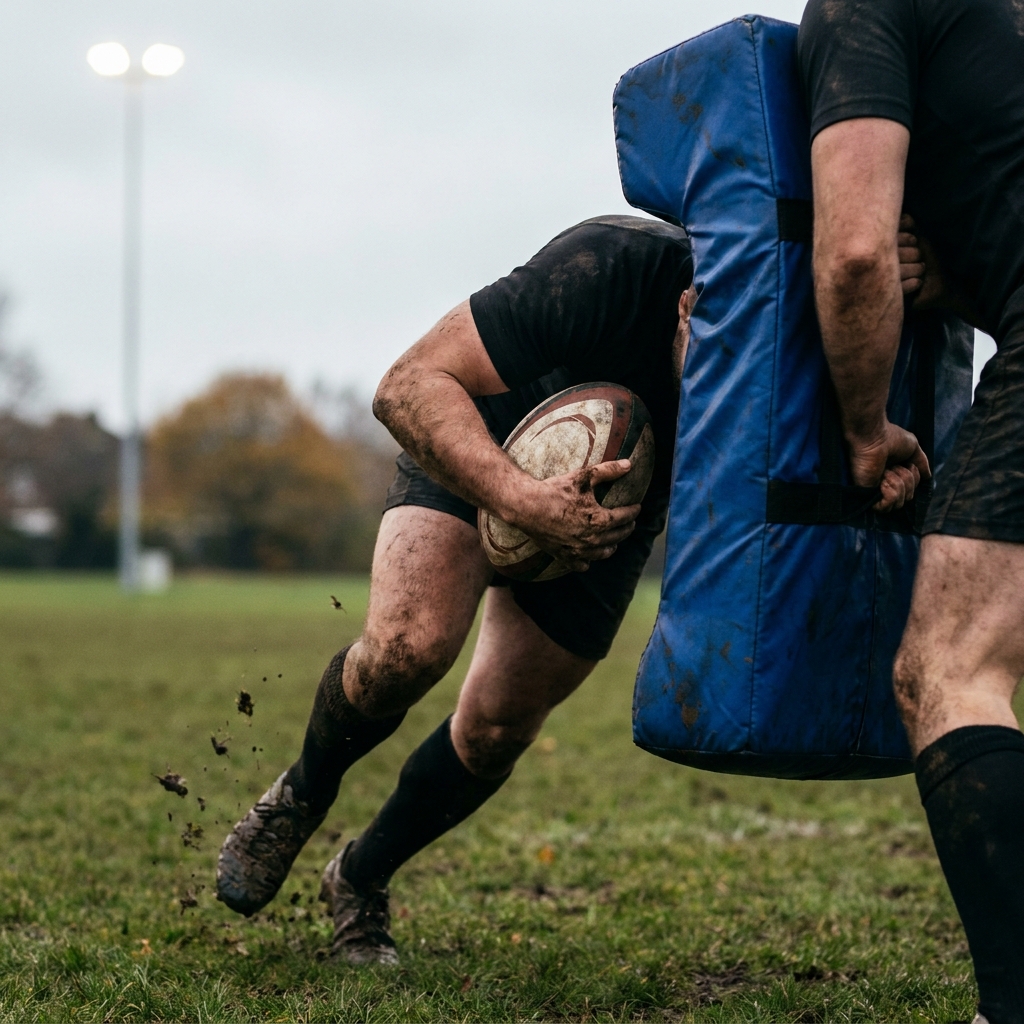
Tacklers are aiming lower, so carriers who dip late put heads at risk. Teach footwork, a strong early body height and leg drive to win the collision safely.
Use our expert plans or build your own using our library of over 700+ drills, and easy-to-use tools.
JOIN NOW