TRANSFORM YOUR TEAM'S SEASON WITH PROFESSIONALLY PLANNED SESSIONS
Use our expert plans or build your own using our library of over 700+ drills, and easy-to-use tools.
JOIN NOWBeep test - suggested levels of achievement. I coach at level 7 in England am looking for any data on the average level in beep test that should be achieved by different positions (e.g front row, back row, backs). Does anyone have any data or suggestions?


Mark
I do not have this information - if another coach out there doesn't come in with what you need you could try contacting the RFU and their fitness gurus.
They presumably have the standard requirements of the different positions.
Good luck and lets hope another coach comes in with the information!
Simon

Hi Mark,
Had a quick internet search and found the below. Appreciate it doesn't answer your question specifically re the age group, but may give you a few pointers. Very good intro to the test and one or two useful links contained within script at:
http://guide.rugbyrugby.com/Rugby%20Sections/Fitness/Bleep%20Test.asp
The only thing I could find to actually give levels against positions: All the below courtesy of:
http://www.rugbycoach.com/fitness/test/20msrt.htm
Just to give you an idea what we used to set as goals for the Dutch U21 selection when we tested them in the gym
Front Row: 9 -11 stages
2nd Row: 10-11
Back Row: 11-13
Half backs: 12
Backs: 12-13
Bit of a technical extract:
http://en.allexperts.com/q/Rugby-2227/Rugby-Union-Winger.htm
above references the below, doesn't relate totally to beep test but does give quite a technical answer as to what key differences between backs and forward training are:
http://www.brianmac.co.uk/rugby/trainingneeds.htm
Hope its of use, maybe someone can be more specific to your needs.


in more ways than one
 sportplan_rugby


Greasy balls and soft pitches turn tidy handling into a lottery. Here is how to coach your players to keep hold of the ball when November conditions bite.
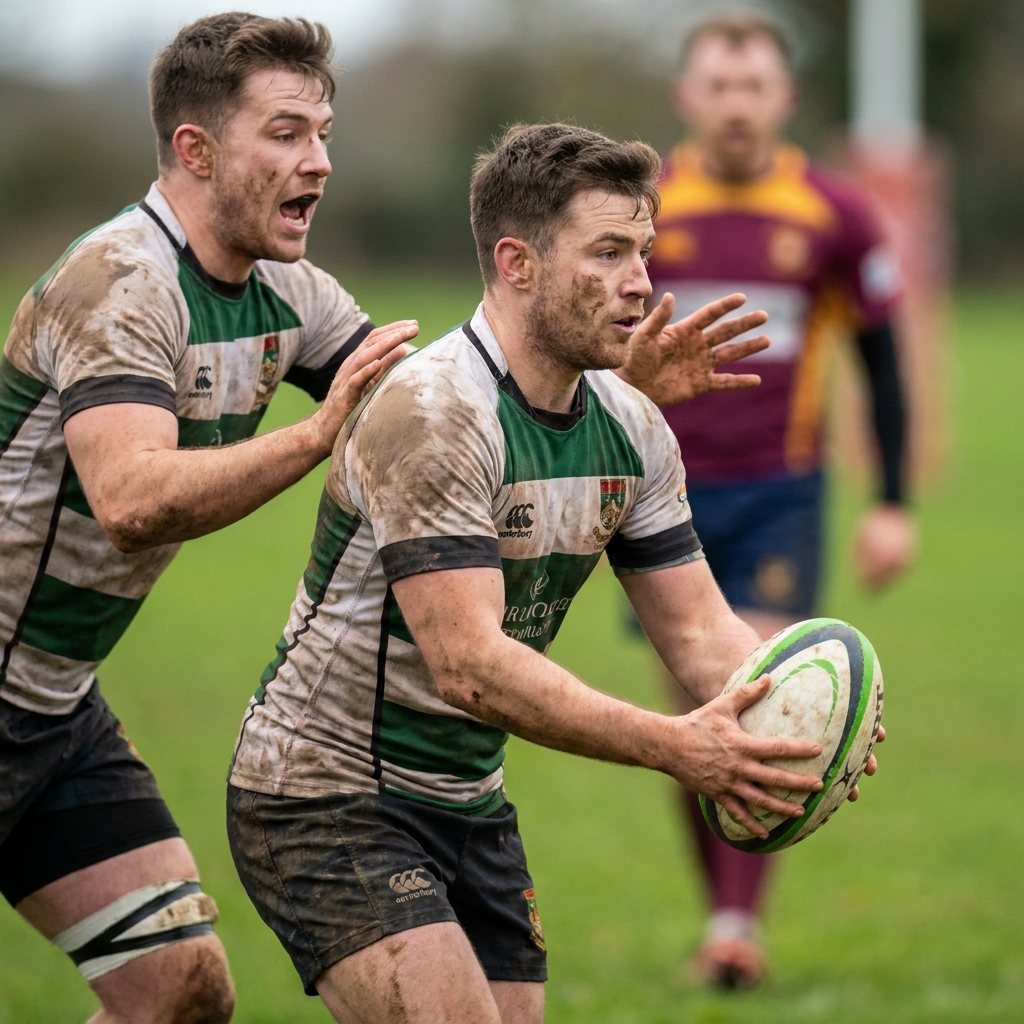
Most line breaks are made by support runners, not ball carriers. Teach the angles, depth and timing that get them there.

The isolated ball carrier is rugby's spookiest turnover. Here is the five-step fix, plus drills that rebuild support lines fast.
Use our expert plans or build your own using our library of over 700+ drills, and easy-to-use tools.
JOIN NOW