Effective net play requires technical quality and good decision making. At intermediate and advanced levels players can come to the net, even straight from the baseline, to get an advantage, so learning how to read an opponent's position and when to sprint to the net are skills that have to be practiced to make this strategy effective and automatic.
What’s in the session?
At the net, players need to feel comfortable with strokes that are played out of the air. This means that players have to work on various volleys and overheads that include changing trajectories, point of contact and power. One way to guarantee this variation is to make exercises that consist of 2 players playing to each other and adjusting every time to the incoming ball.

A tiebreak is a short sprint where every point is worth the same as a break of serve. The players who win them are rarely the ones who hit hardest. Here is how to coach the patterns, habits and scoreboard thinking that win the big points.
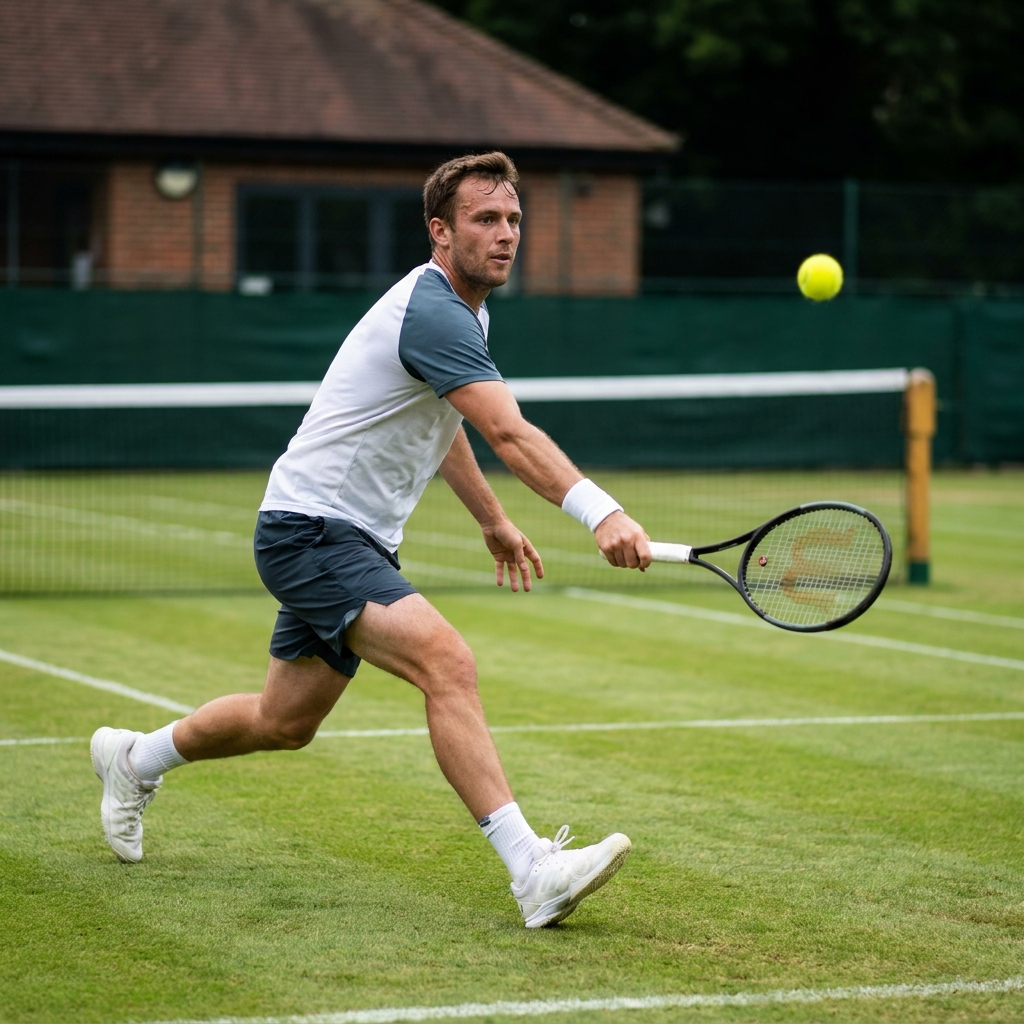
Most club players practise the serve on its own and then have no idea what to do with the ball that comes back. Serve plus one is the pattern that turns a good serve into a won point.
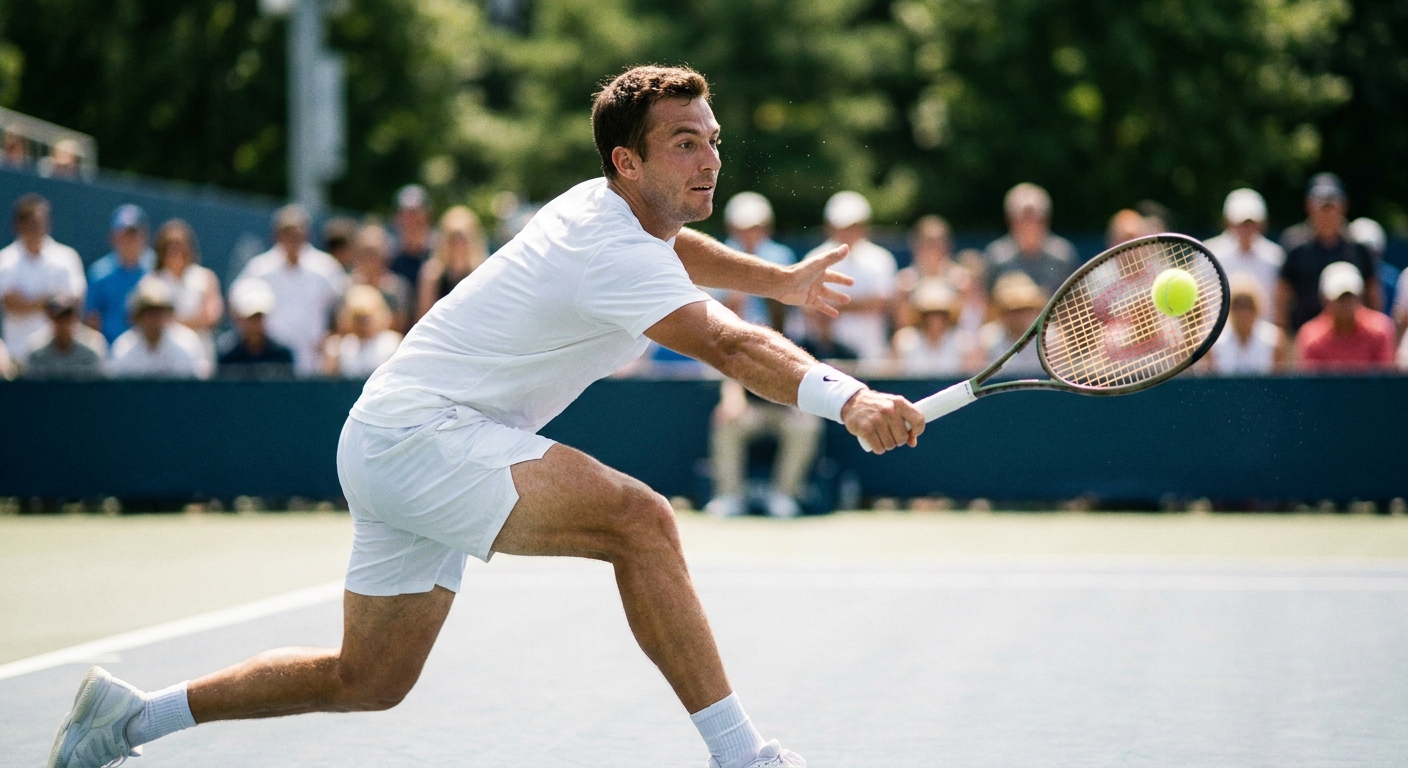
Wimbledon has just crowned another champion, and if you watched closely you saw the same thing every year: the best returners quietly won the tournament. Here is how to coach a return that pressures the server rather than just surviving it.


Register for FREE and get coaching tips, top drills, session and more every week!