Winning points in tennis doesn?t have to be based on using sheer power. By mixing topspin and backspin backhands in different directions, a player can put a lot of pressure on their rival and force them to return balls that they are able to capitalise on.
The backhand is the stroke where players can alternate hitting with different spins. Players should practice and understand why changing rotation can give them many tactical benefits on all the surfaces.
What?s in the session?
At beginner and intermediate levels, players are likely to have weaker backhand shots. That's why playing tactically has to focus on hitting to an opponent?s weakness, to get more errors or to receive easy balls to finish the point. By understanding the factors that put pressure on the rival, the player is able to dominate the game tactically and not allow opponents to play to their strengths to get advantage.
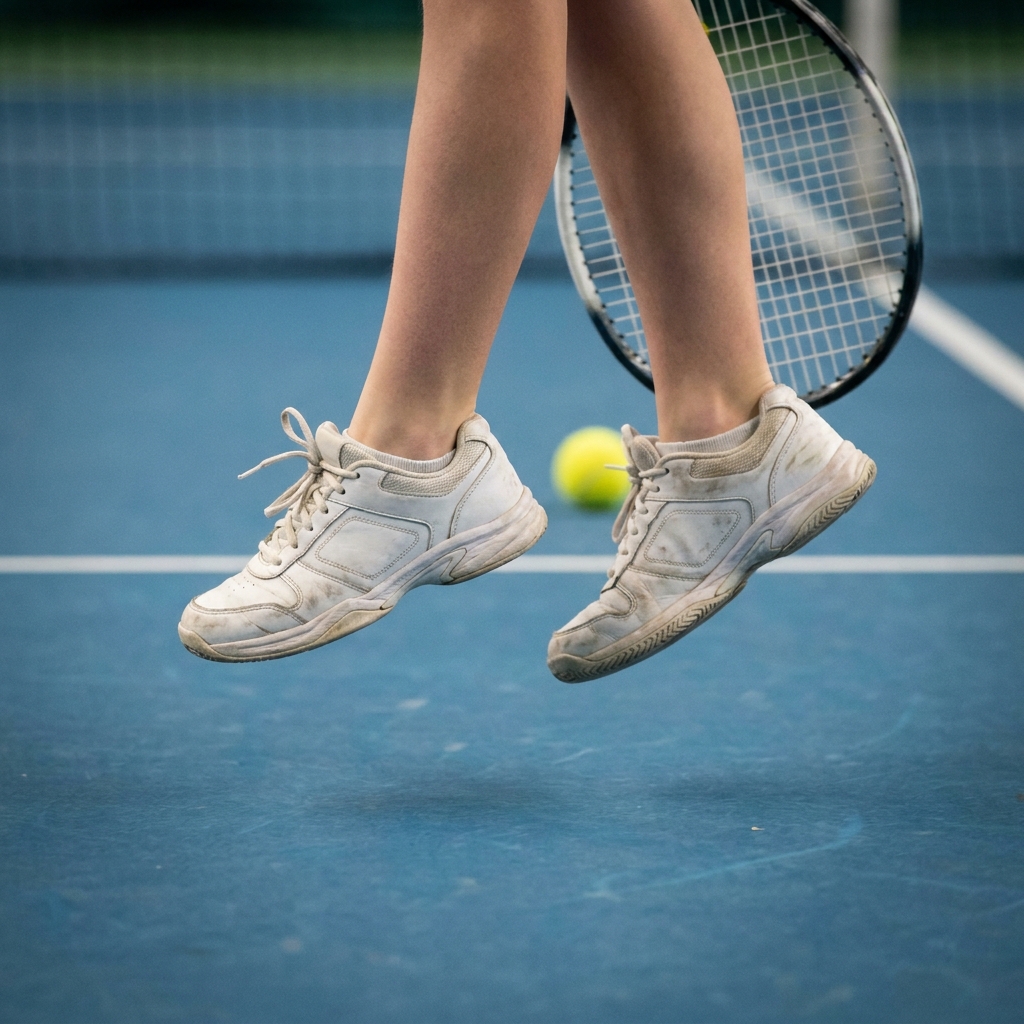
Indoor courts give players less time and less room. Help them sharpen their split step, shorten their swing and stay calm, and winter becomes a season of real progress.

A tiebreak is a short sprint where every point is worth the same as a break of serve. The players who win them are rarely the ones who hit hardest. Here is how to coach the patterns, habits and scoreboard thinking that win the big points.
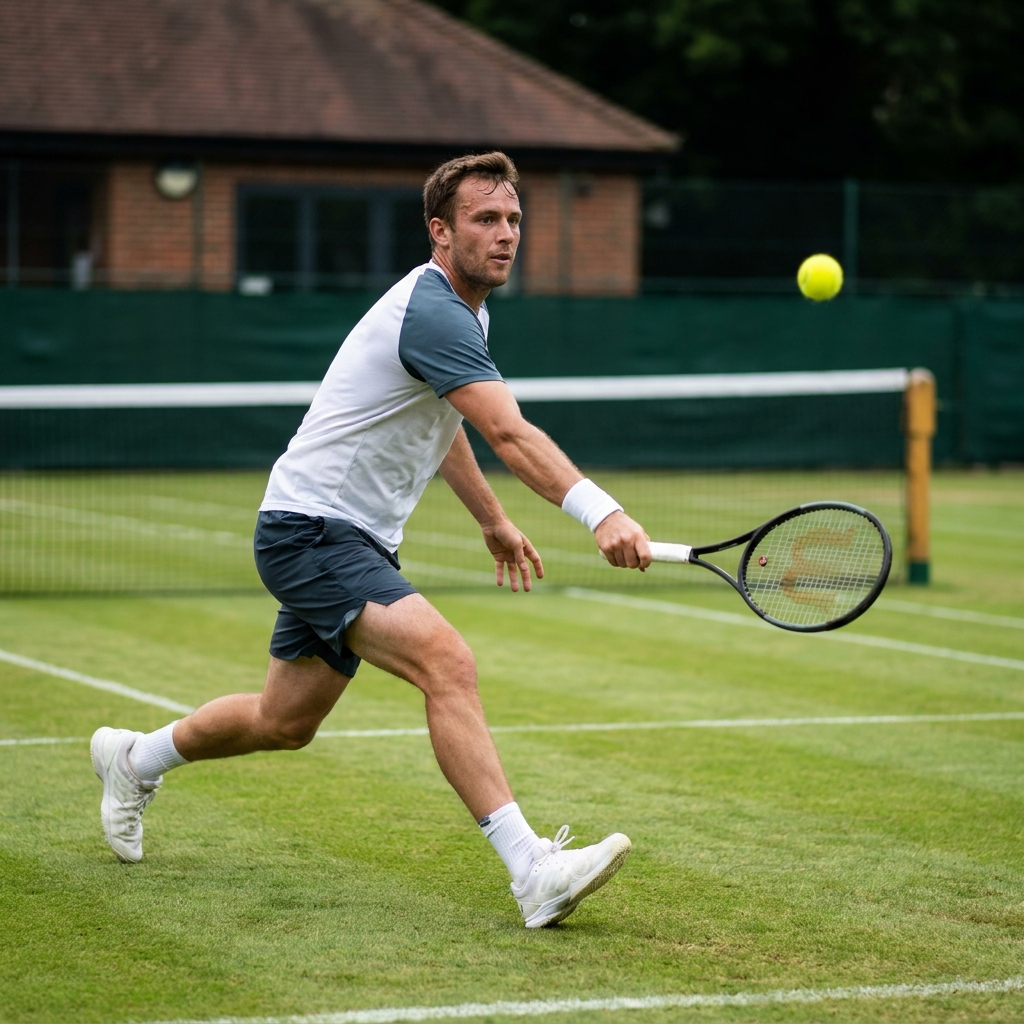
Most club players practise the serve on its own and then have no idea what to do with the ball that comes back. Serve plus one is the pattern that turns a good serve into a won point.


Register for FREE and get coaching tips, top drills, session and more every week!