To be successful in Tennis, players need to be able to put their rival under pressure and by being unpredictable with their shot selection, this can unsettle the opponent and force more mistakes.
Using only power in trying to win the points, not only increases the risk of making an unforced error but also makes it predictable for the opponent. Working on applying a variety of spins in different situations is a great way to develop weapons and also confidence to use them, even during the most important moments of the match. However, players should always remember to plan their shots in advance and not to react at the last second.
Hitting in one direction doesn?t have to mean a lack of variety. Players can adapt their shots to put their opponents into difficult situations and test their skills. It's likely that all players are comfortable in one area but will have other areas that they don?t like, so finding this "uncomfortable zone? can be important to achieve an advantage over their opponent and win matches.
Players can choose between speed, depth, spin, height and direction of their own shots so training all these abilities on a daily basis is important for competitors to confidently apply these skills while under pressure.

A tiebreak is a short sprint where every point is worth the same as a break of serve. The players who win them are rarely the ones who hit hardest. Here is how to coach the patterns, habits and scoreboard thinking that win the big points.
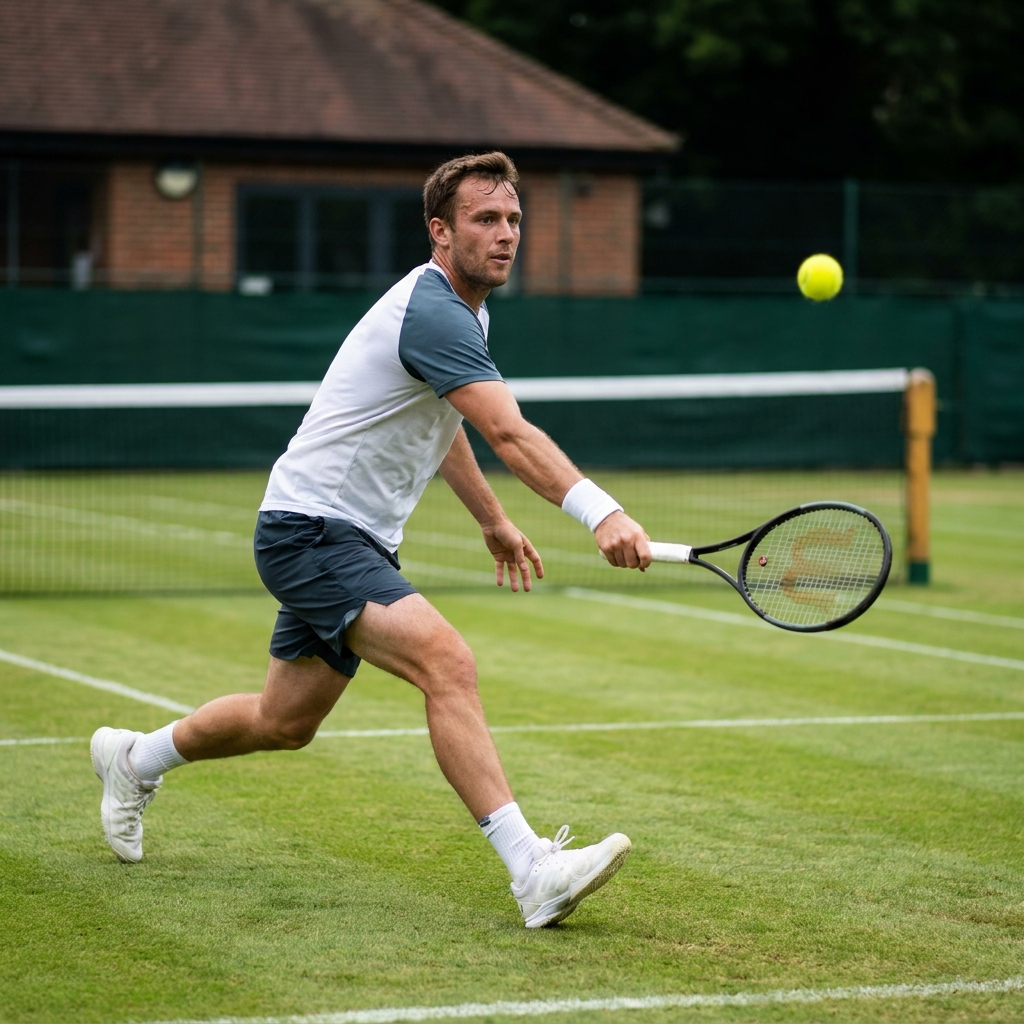
Most club players practise the serve on its own and then have no idea what to do with the ball that comes back. Serve plus one is the pattern that turns a good serve into a won point.
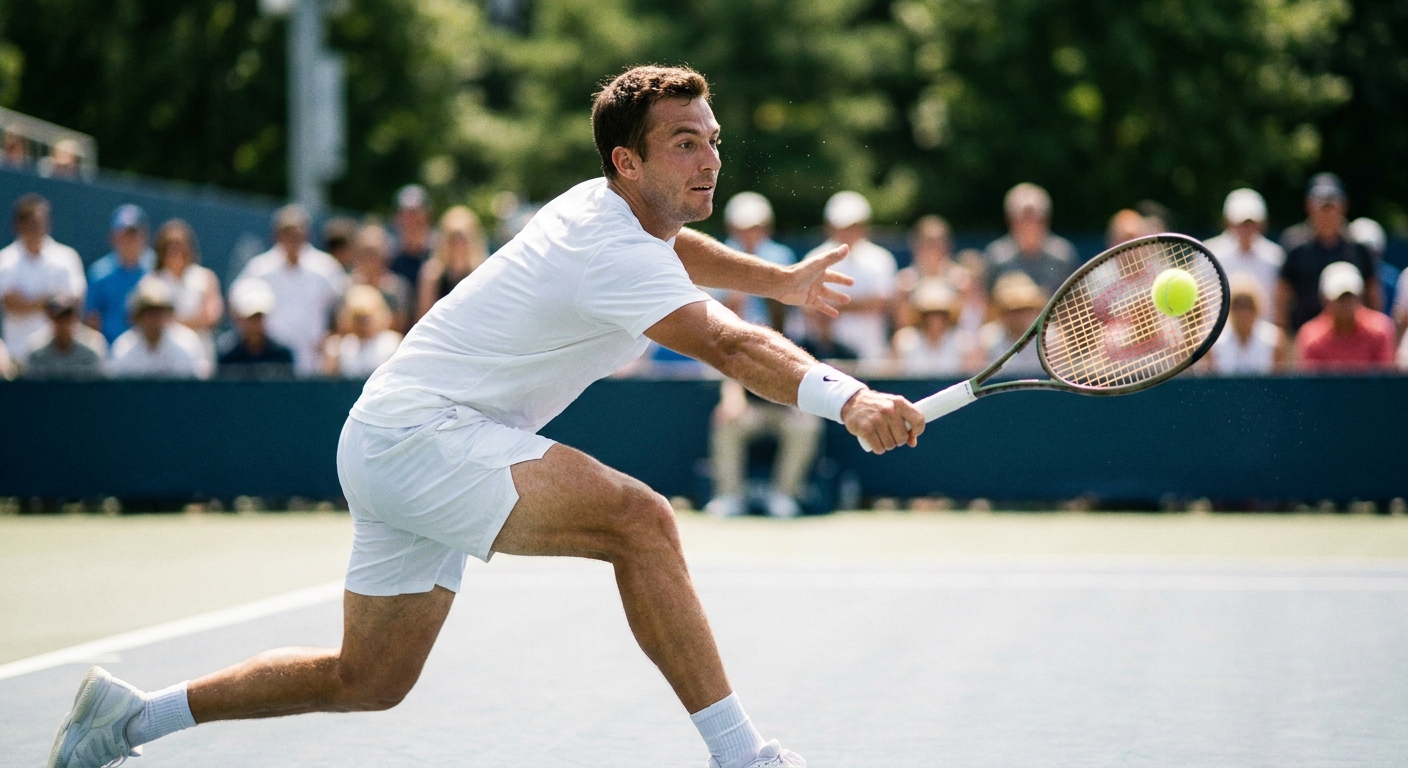
Wimbledon has just crowned another champion, and if you watched closely you saw the same thing every year: the best returners quietly won the tournament. Here is how to coach a return that pressures the server rather than just surviving it.


Register for FREE and get coaching tips, top drills, session and more every week!