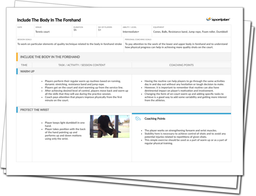
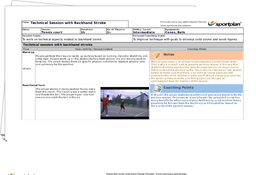
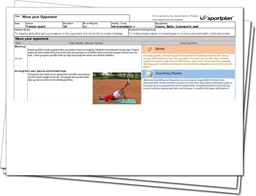
This Sportplan Session is all about teaching your players to take the ball early when in a high pressure situation - using a ticking clock scenario to see which pair performs best under pressure!
This session also works on concentration in the point and encouraging a high-intensity of movement - so that players try to get to every ball on the rise, because as demonstrated by the 42 stroke long rally between Hewitt and Federer at the 2010 US Open, there's no such thing as a lost cause!
So how do you get your players to work hard in every point?
Well, in this session we start by pairing your players up and seeing which pairing performs best in a fast rally competition (the point of this is for your players to get to the ball quickly so that in a match they can take time away from their opponent) - but it's a balancing act - do you go all out or do you play it safe and avoid losing time due to an error being made?
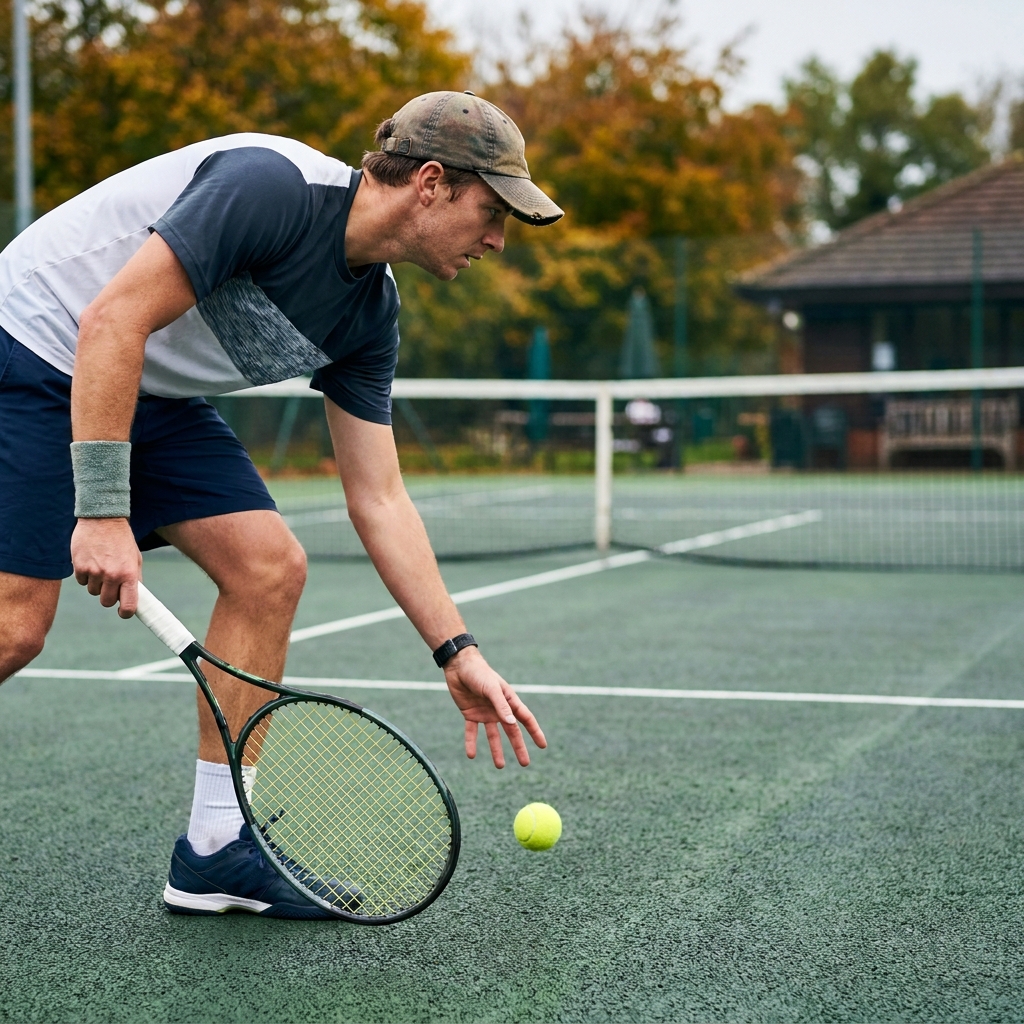
A tiebreak is a short sprint where every point is worth the same as a break of serve. The players who win them are rarely the ones who hit hardest. Here is how to coach the patterns, habits and scoreboard thinking that win the big points.
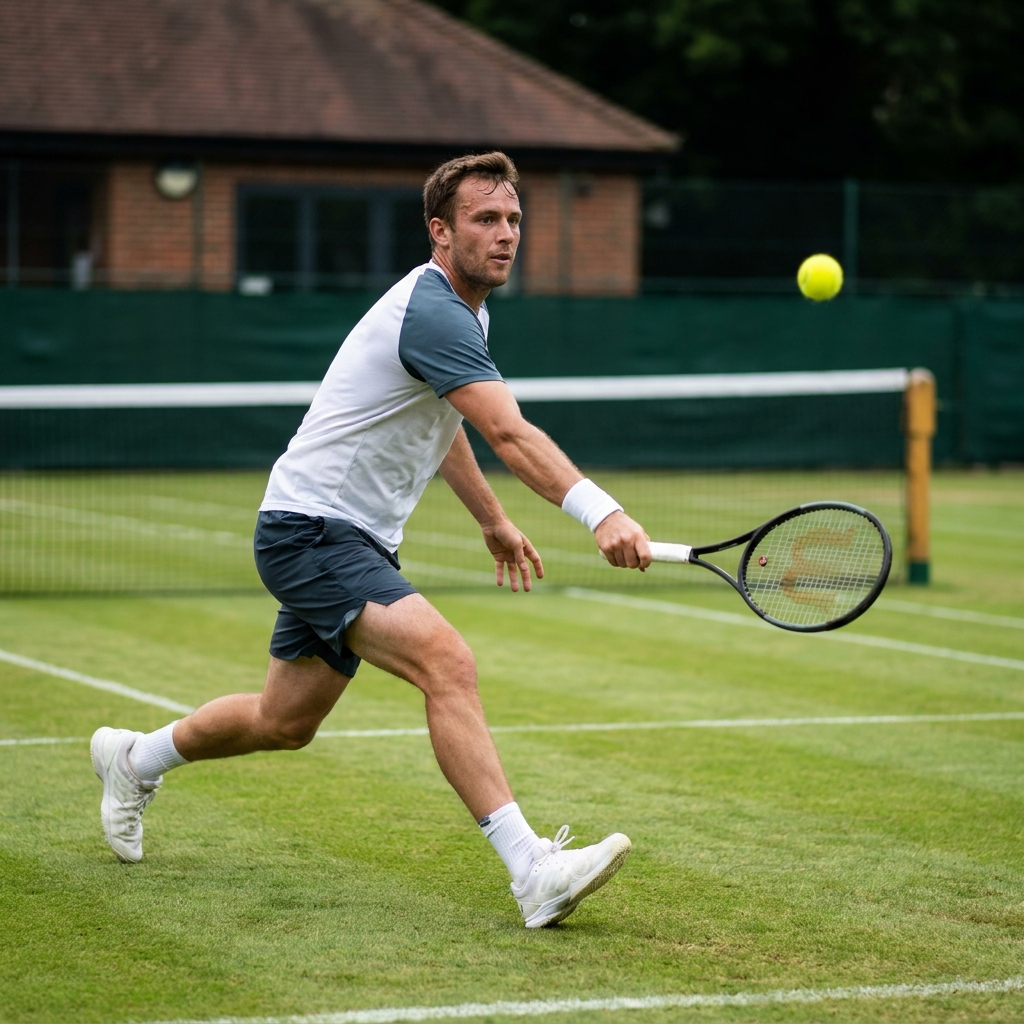
Most club players practise the serve on its own and then have no idea what to do with the ball that comes back. Serve plus one is the pattern that turns a good serve into a won point.
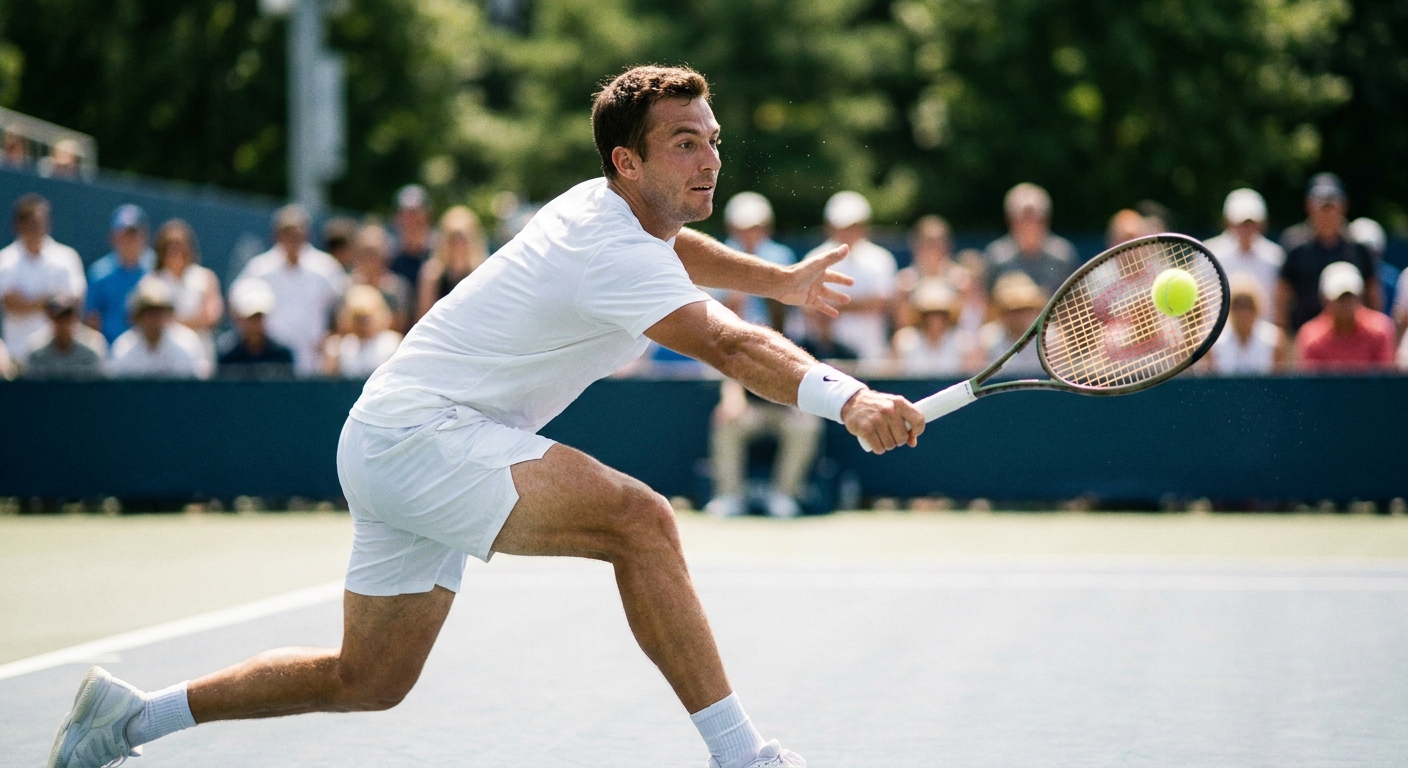
Wimbledon has just crowned another champion, and if you watched closely you saw the same thing every year: the best returners quietly won the tournament. Here is how to coach a return that pressures the server rather than just surviving it.


Register for FREE and get coaching tips, top drills, session and more every week!