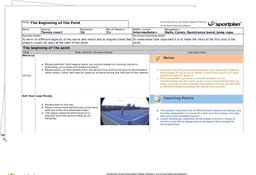
Players should be looking to get on top early in the point. A good serve can set this up but this then needs to be followed up with a solid second shot. Also we should always be looking to take advantage of short, below par serving.
What's in the Session?
Tennis, especially on a higher level, is based on short points and offensive tactical solutions. Players should look for opportunities to use power to put pressure on an opponent and force them into making a mistake or provide another easy ball.
In modern tennis, the return is just as important as the serve. Players who work and perfect their returns can have a big advantage over the rivals who don?t focus on this aspect as much. Djokovic, is widely praised as the best returner of all time which is probably the main reason he is Number 1 in the world. Players should know when to use the power and when to use control so repetitions of each skill is needed to understand the difference and make the best decisions when it really counts.
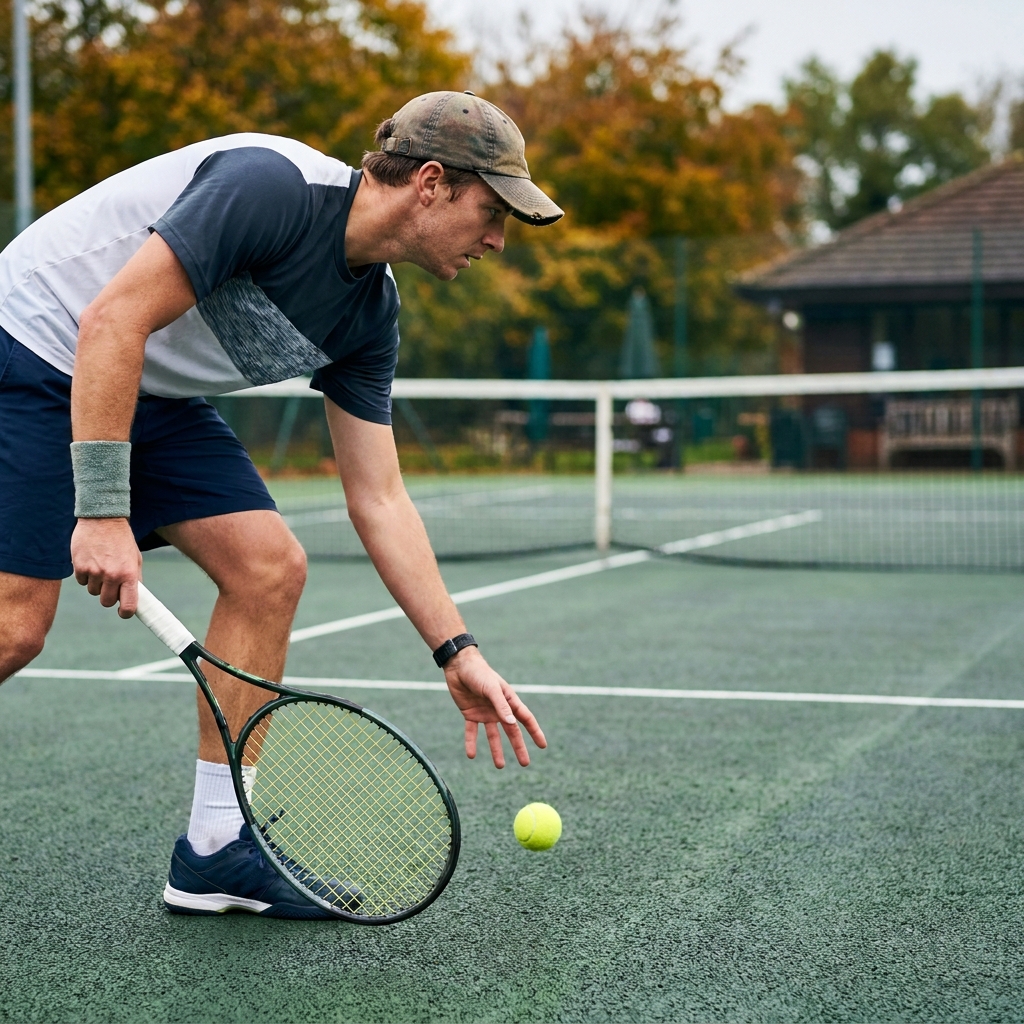
A tiebreak is a short sprint where every point is worth the same as a break of serve. The players who win them are rarely the ones who hit hardest. Here is how to coach the patterns, habits and scoreboard thinking that win the big points.
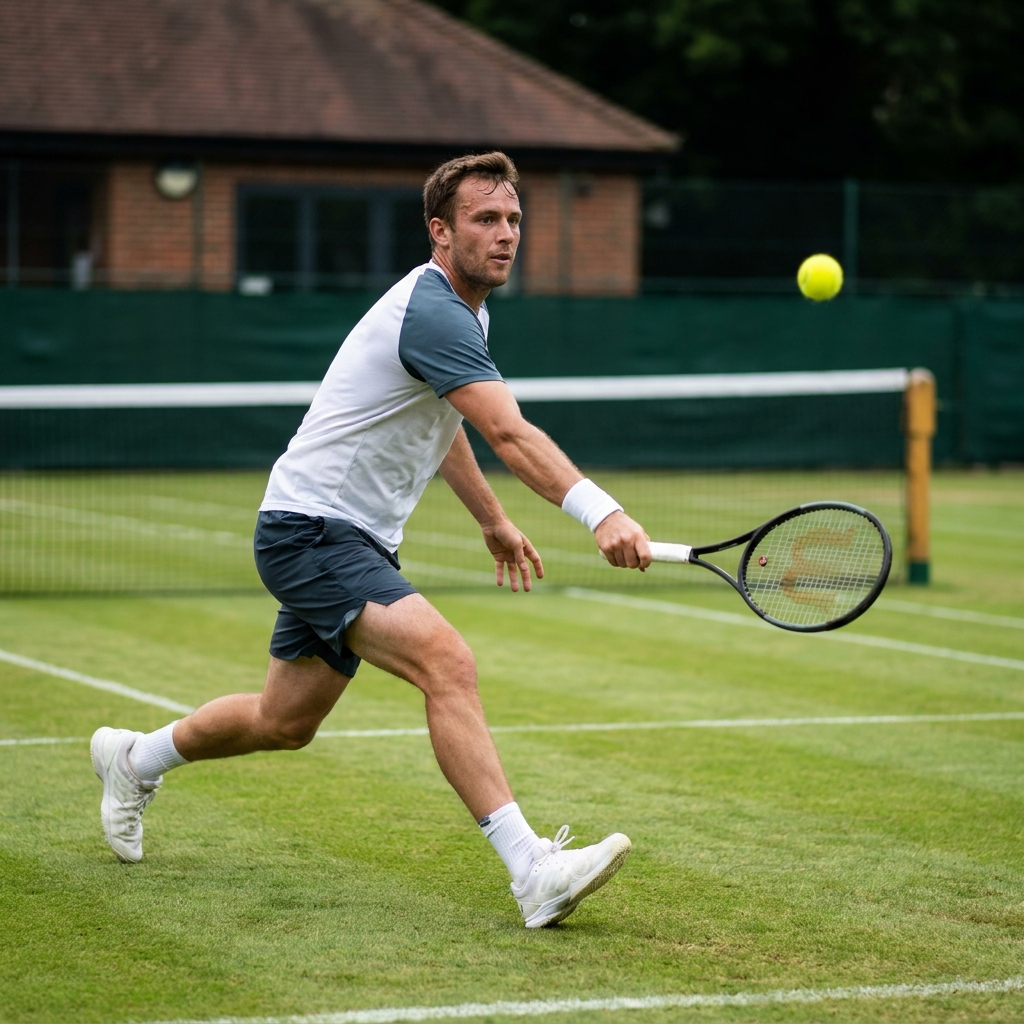
Most club players practise the serve on its own and then have no idea what to do with the ball that comes back. Serve plus one is the pattern that turns a good serve into a won point.
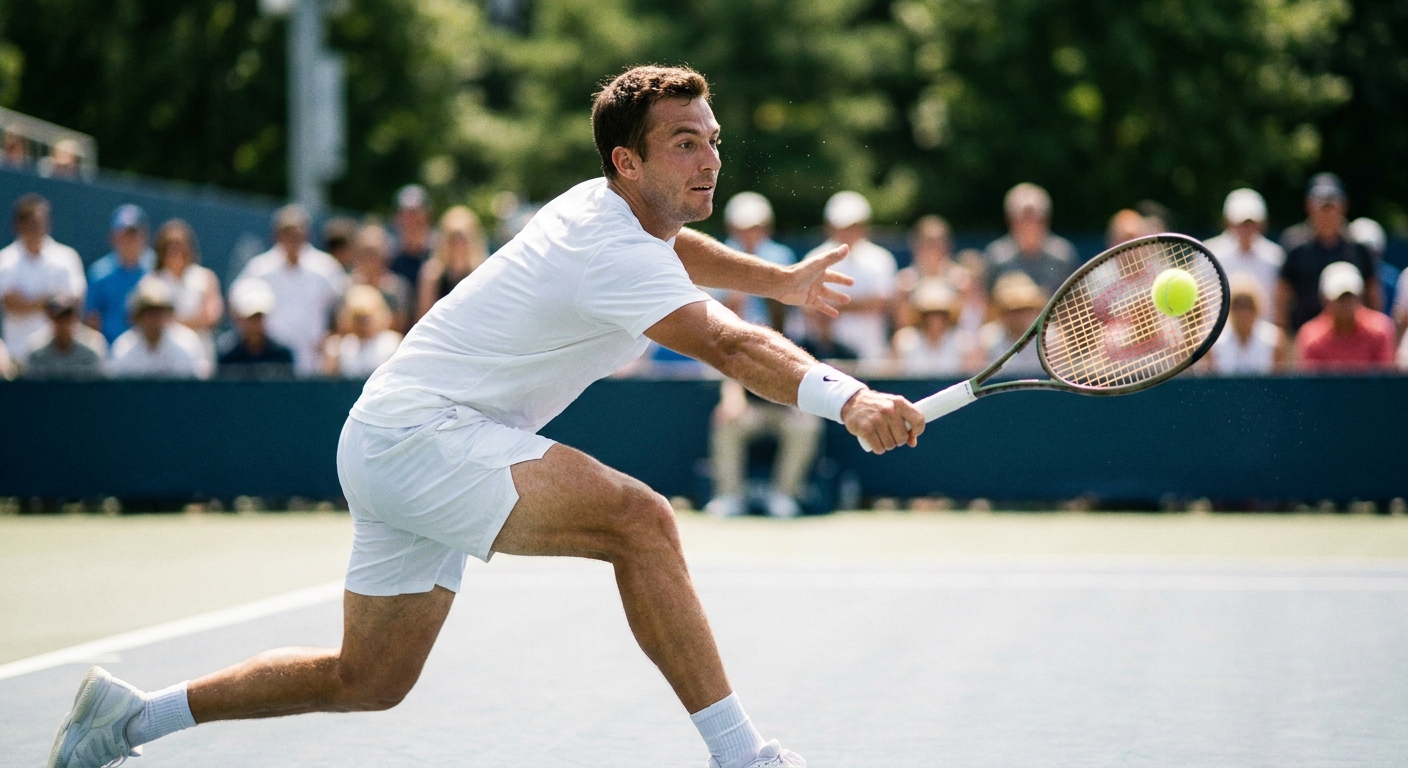
Wimbledon has just crowned another champion, and if you watched closely you saw the same thing every year: the best returners quietly won the tournament. Here is how to coach a return that pressures the server rather than just surviving it.


Register for FREE and get coaching tips, top drills, session and more every week!