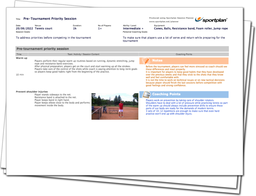
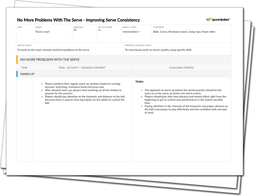
Focussed on getting your players relaxed and ready to head into a competition. It’s important to keep the good habits players have developed and stick to the shots and plays they know well and are comfortable with. It’s not the time to work on technical aspects or tactical decisions within their games.
What's in the Session?
This session therefore puts an emphasis on a key part of competition, the serve and return and targeting the opponent’s backhand.
Packed with great live ball drills, we start with a strength and conditioning warm up to prepare the shoulders for the session ahead and reduce the risk of injury. Targeting your opponent’s weakness is a common strategy in match situations, we work on playing to the backhand side to force an error or misplaced shot to create winning opportunities.
A big focus of this session looks at serve and return. Most of the time, players have to respond to the opponent's return and create an advantage on the court or defend after a successfully placed response. It means that right before the tournament, players should practice the serve with the next shot to make sure that they are ready to quickly decide what to do after different types of return.
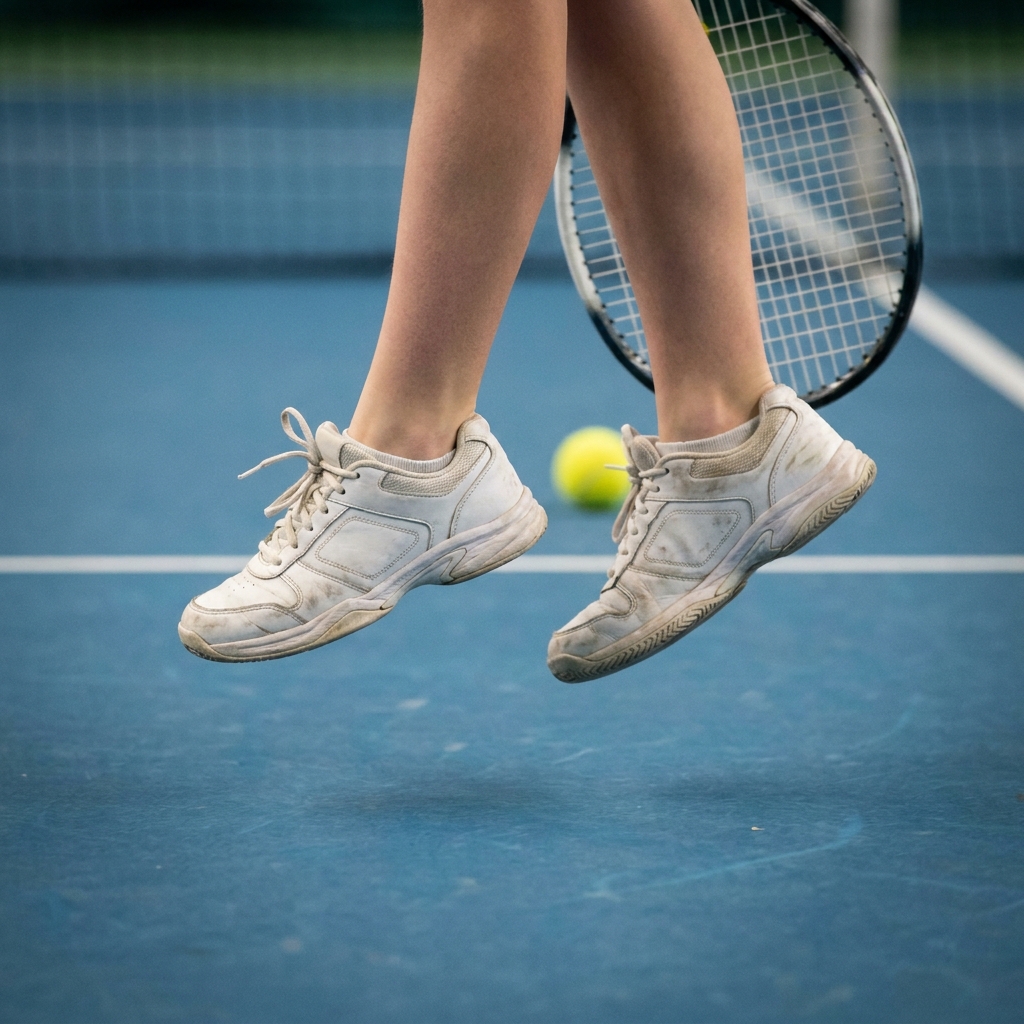
Indoor courts give players less time and less room. Help them sharpen their split step, shorten their swing and stay calm, and winter becomes a season of real progress.
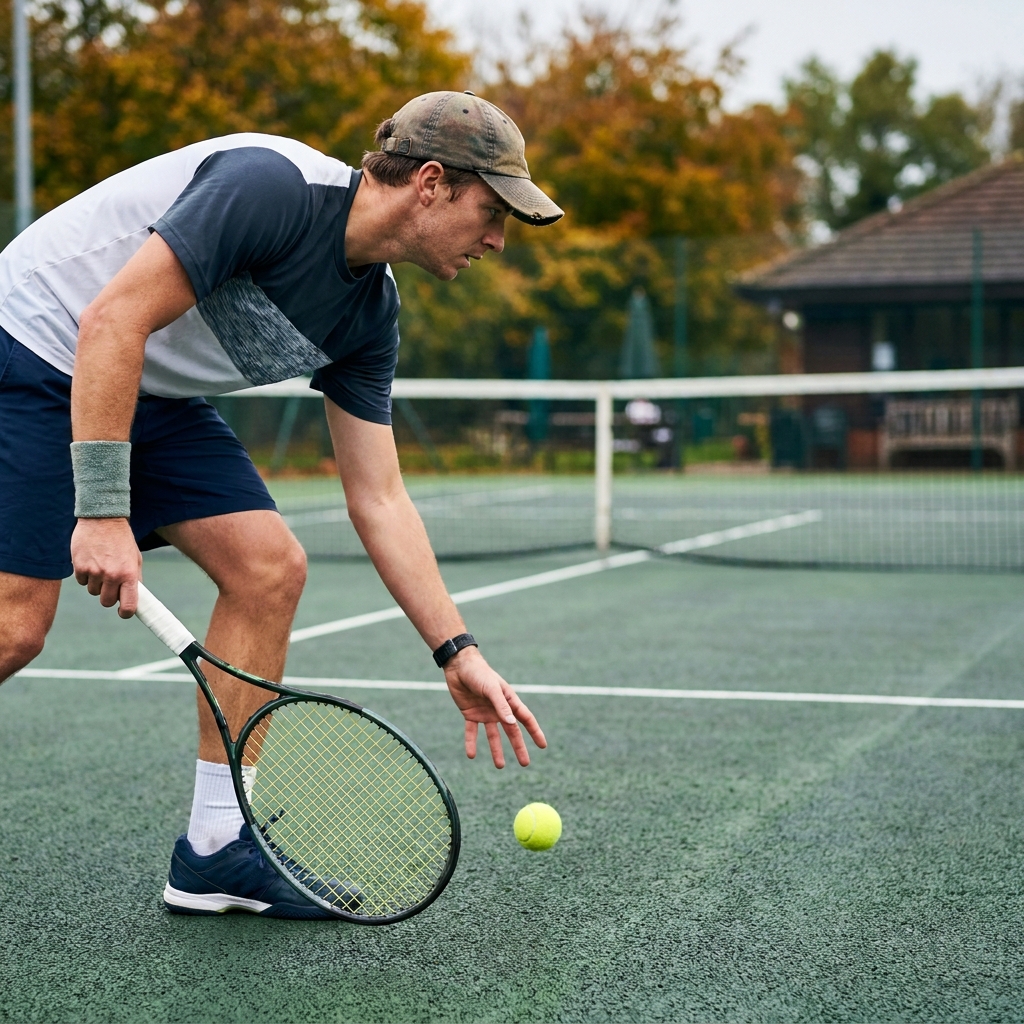
A tiebreak is a short sprint where every point is worth the same as a break of serve. The players who win them are rarely the ones who hit hardest. Here is how to coach the patterns, habits and scoreboard thinking that win the big points.
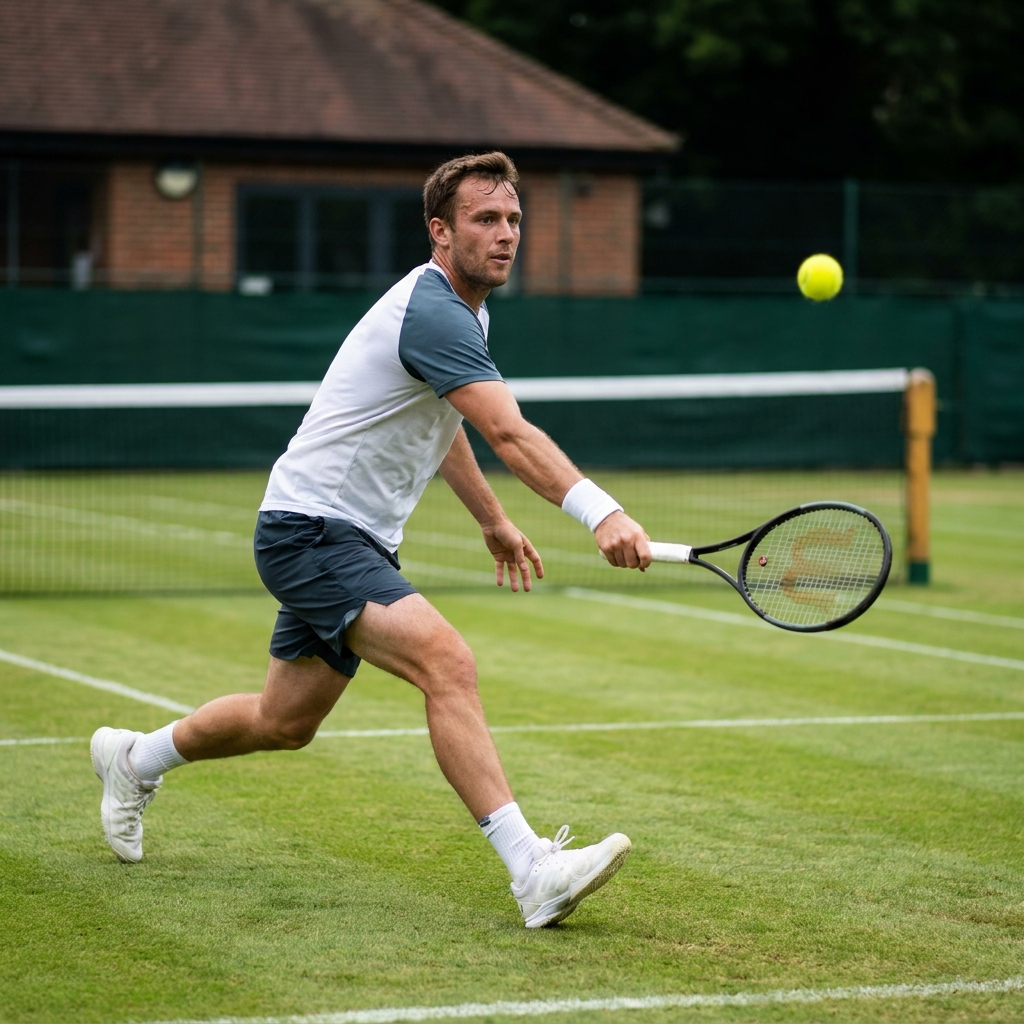
Most club players practise the serve on its own and then have no idea what to do with the ball that comes back. Serve plus one is the pattern that turns a good serve into a won point.


Register for FREE and get coaching tips, top drills, session and more every week!