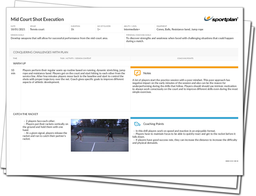
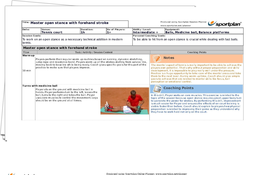
Mid-court game is crucial to capitalise on easier opportunities, deal with difficult balls and put pressure on the opponent. By stepping inside the court and hitting offensively, players can dominate the opponent and hit more winners or force more errors.
What?s in the session?
The higher the level of the opponent, the more difficult balls a player will receive in difficult areas. While coming to the net players have to be prepared to hit a ball that has been aimed into their legs, so the combination of solid physical, technical and tactical skills are necessary to automatically return the ball with quality.
A stop volley is a great tactical solution when under pressure at the net. Players have to develop the ability to take the pace off the opponent?s passing shot to either hit a winner or remain in the rally.
The coach should always think about the difficulty of the drill to make sure that players will achieve high-level of success early on. The easier the drill, the faster new habits will be created so players will not only improve technically but they will also develop confidence that will help them with other strokes.
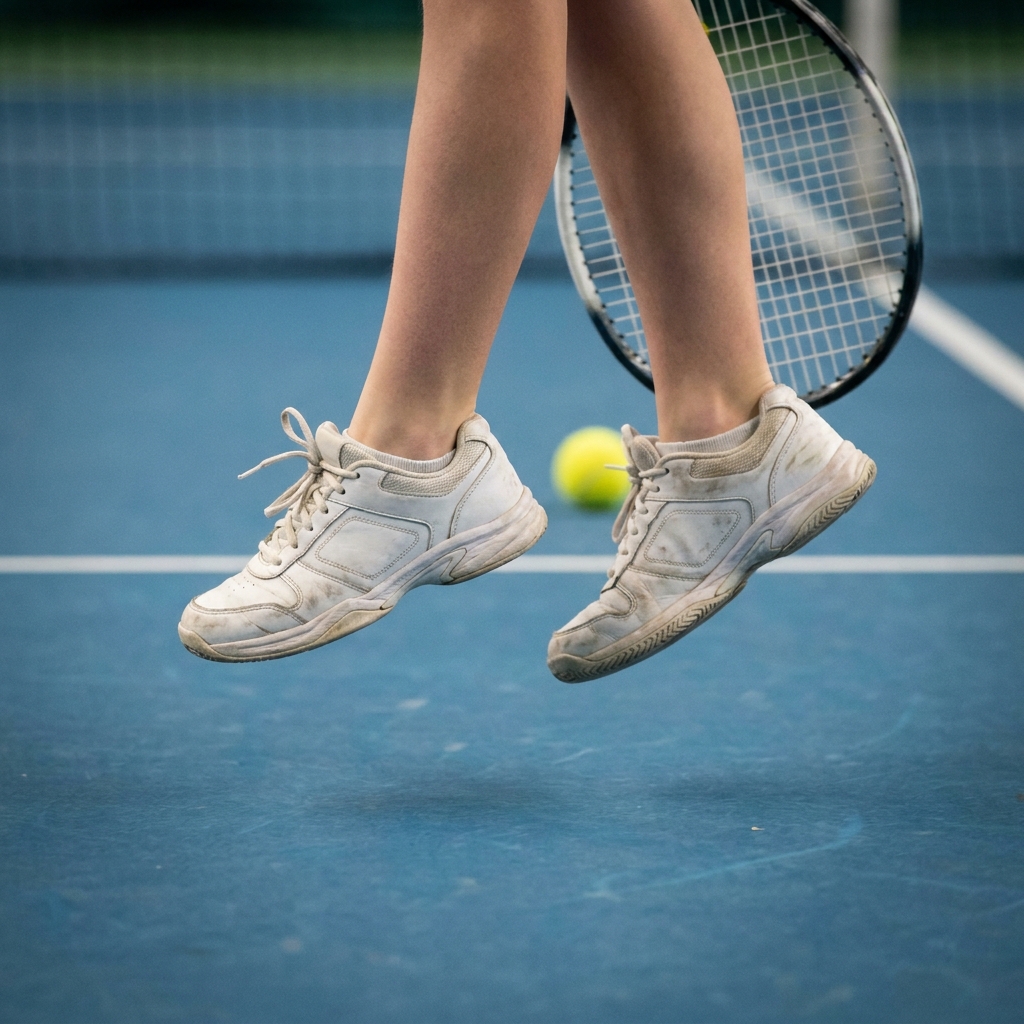
Indoor courts give players less time and less room. Help them sharpen their split step, shorten their swing and stay calm, and winter becomes a season of real progress.

A tiebreak is a short sprint where every point is worth the same as a break of serve. The players who win them are rarely the ones who hit hardest. Here is how to coach the patterns, habits and scoreboard thinking that win the big points.
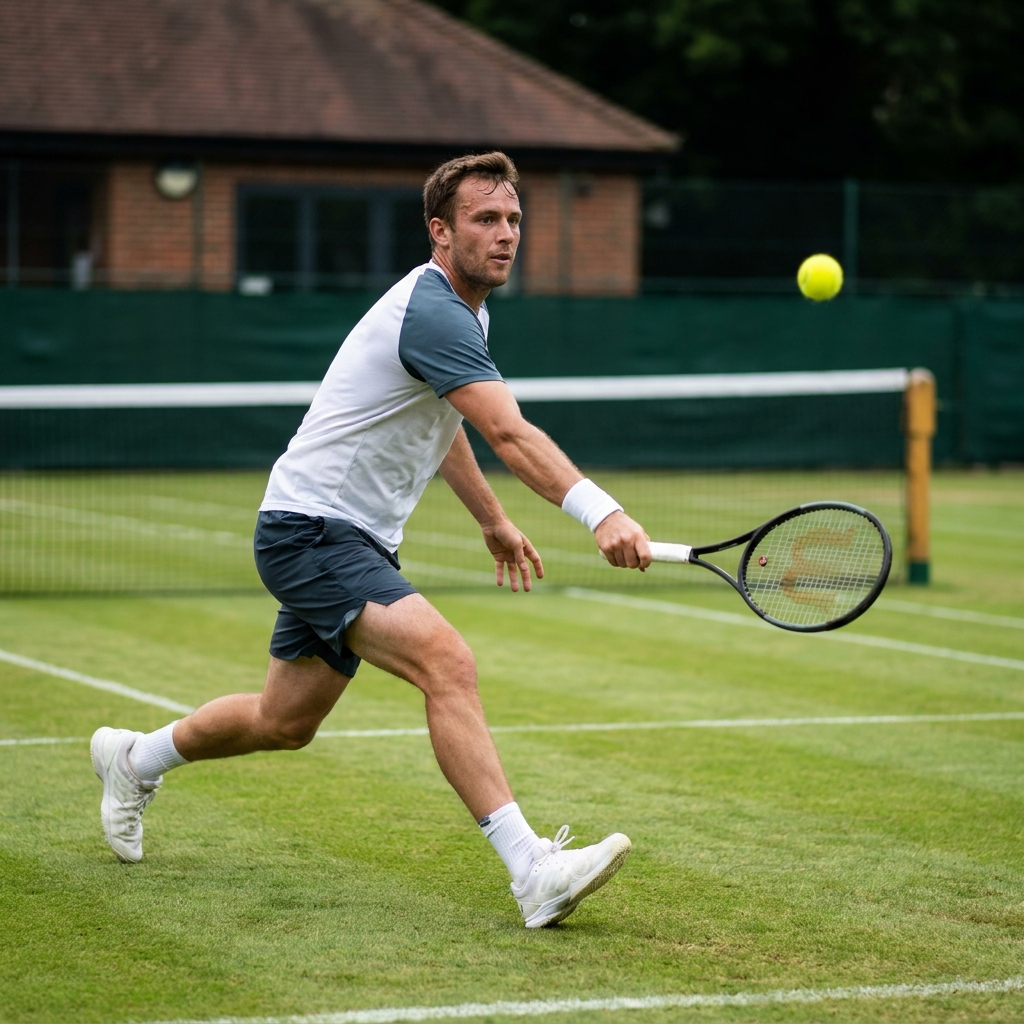
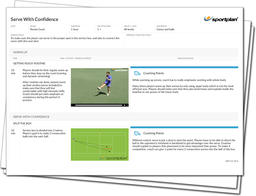
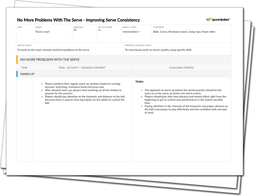
Most club players practise the serve on its own and then have no idea what to do with the ball that comes back. Serve plus one is the pattern that turns a good serve into a won point.


Register for FREE and get coaching tips, top drills, session and more every week!