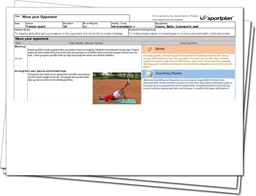
The basic strategy from the baseline is to move the opponent. By targeting the side zones with your strokes make the opponent move and put pressure on them to produce a quality response.
What's in the Session?
This session works on patterns on building the point from the baseline and finishing the point inside the court. By changing direction and keeping the ball deep into the side zones, the opponent doesn’t have a chance to step inside and get into offensive mode. Having the ability to execute this pattern with proper pace, the player increases the chance of getting a shorter ball and stepping inside to try to finish the point.
In modern tennis, it is difficult to beat solid rivals without the skill of attacking easier balls. The session progresses to work on capitalizing on easier shots and attacking balls from different heights. It doesn’t matter if the ball is lower or higher, with proper reaction and automatic technical habits, it is possible to attack shots and keep the pressure on your opponent.
Using different patterns and approaches will allow your players to attack the opponent with a variety of shots to keep them on the move and win the point.
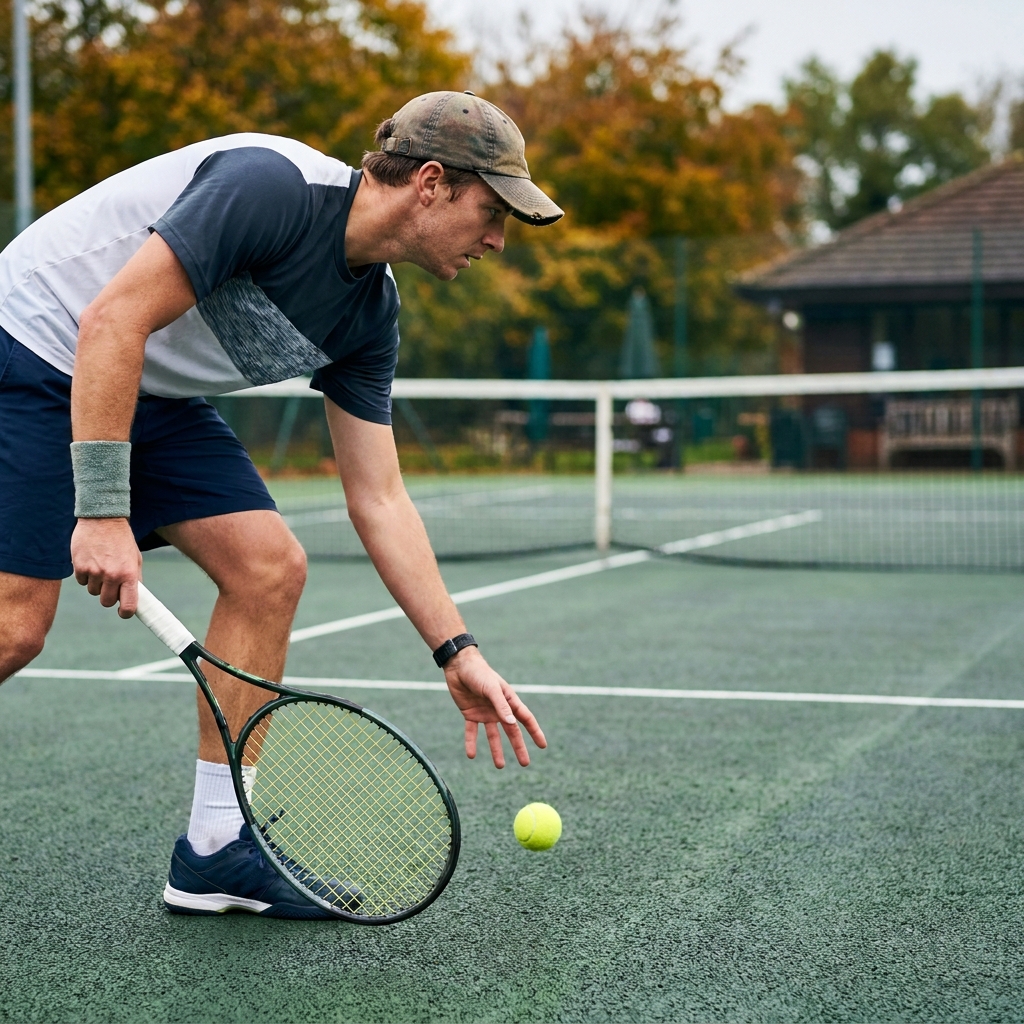
A tiebreak is a short sprint where every point is worth the same as a break of serve. The players who win them are rarely the ones who hit hardest. Here is how to coach the patterns, habits and scoreboard thinking that win the big points.
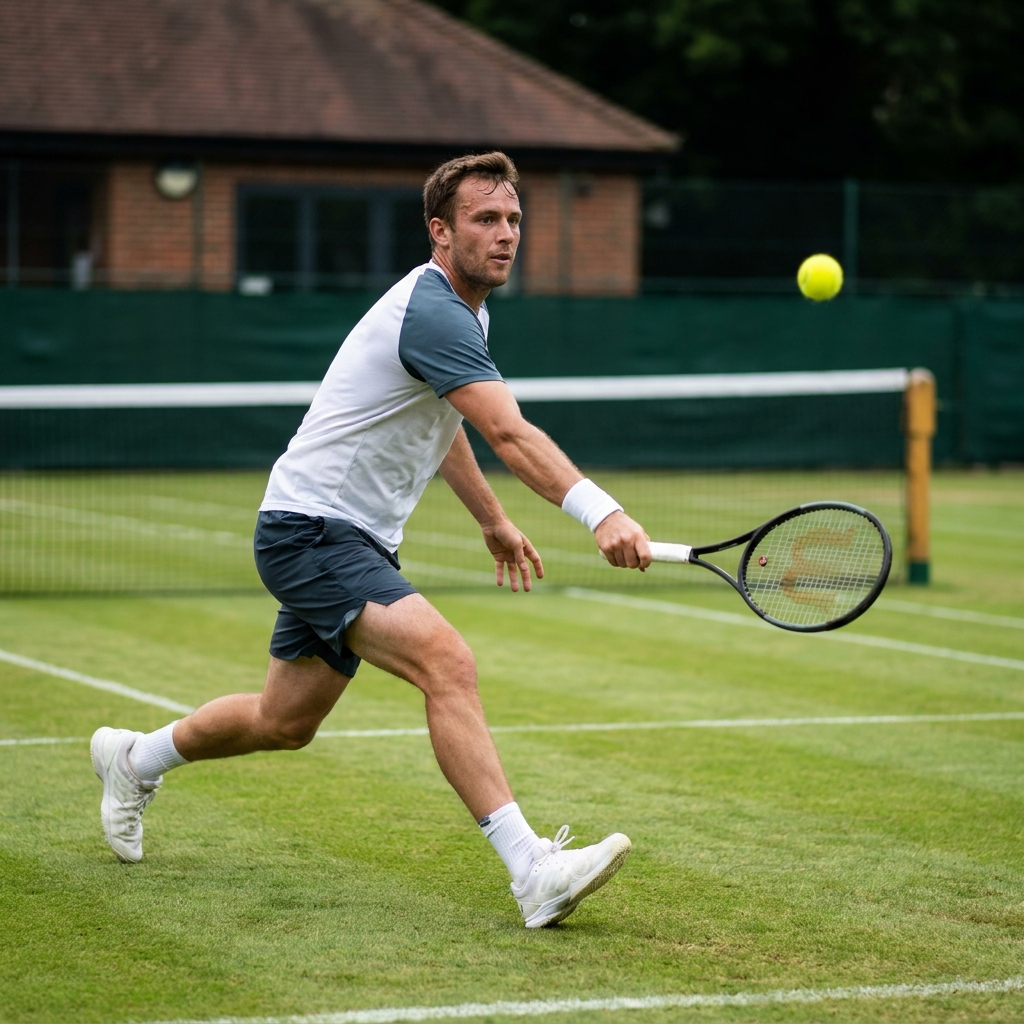
Most club players practise the serve on its own and then have no idea what to do with the ball that comes back. Serve plus one is the pattern that turns a good serve into a won point.
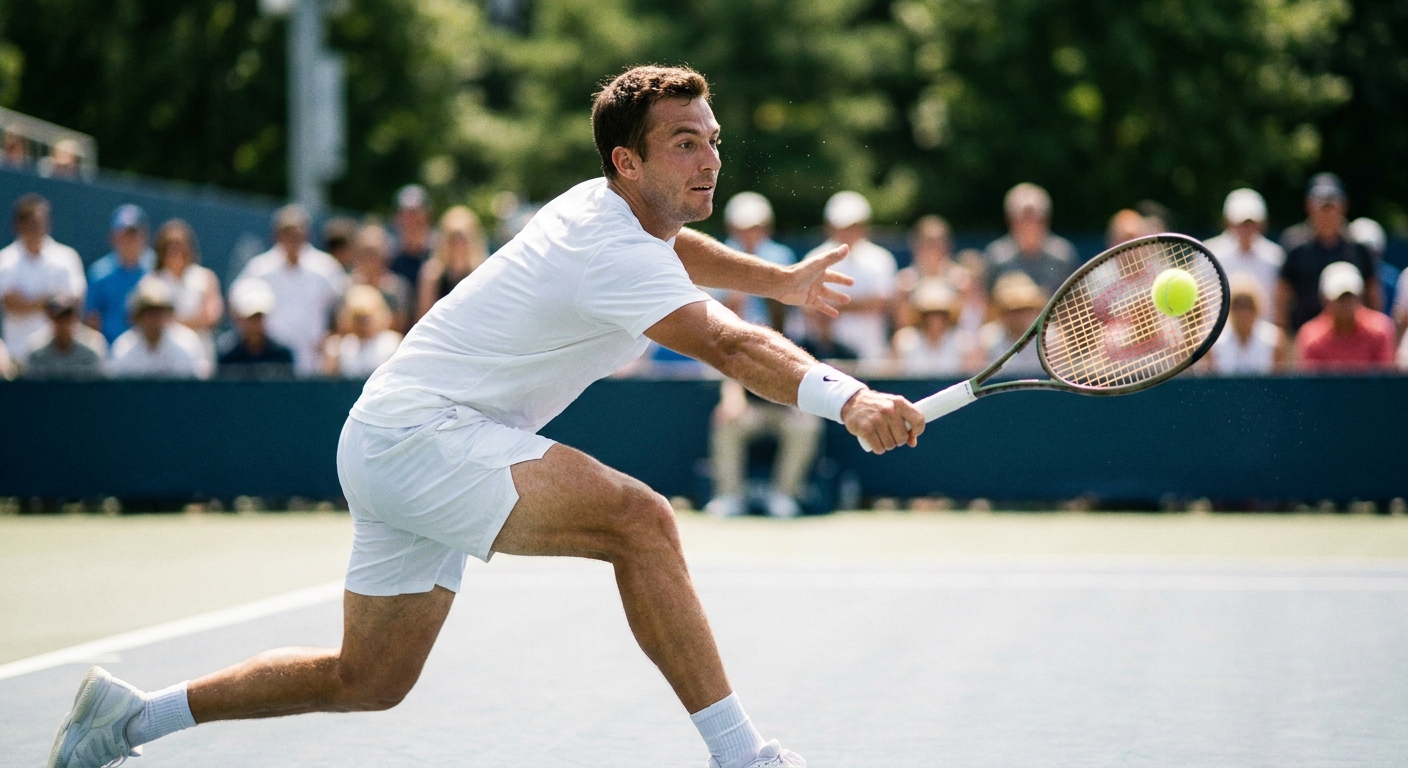
Wimbledon has just crowned another champion, and if you watched closely you saw the same thing every year: the best returners quietly won the tournament. Here is how to coach a return that pressures the server rather than just surviving it.


Register for FREE and get coaching tips, top drills, session and more every week!