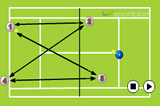
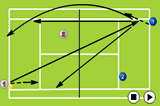
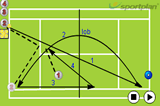
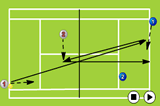
Players work in groups of 4 volleying one ball between 4.
Players down 1 end start by always hitting cross court, the pair down the other end hitting down the line.
Players continue in this way until "change" is called by the coach, and the pattern resumes with all players trying to keep the rally going as this occurs.
Courts compete between themselves looking for the longest rallies or alternatively, players can compete amongst the groups of 4 by counting errors, so that the player with the least amount of errors at the end of the drill wins!
Players should be looking to work on the technical aspects that have been learnt in the previous 4 drills here, as well as concentrating hard on accuracy.
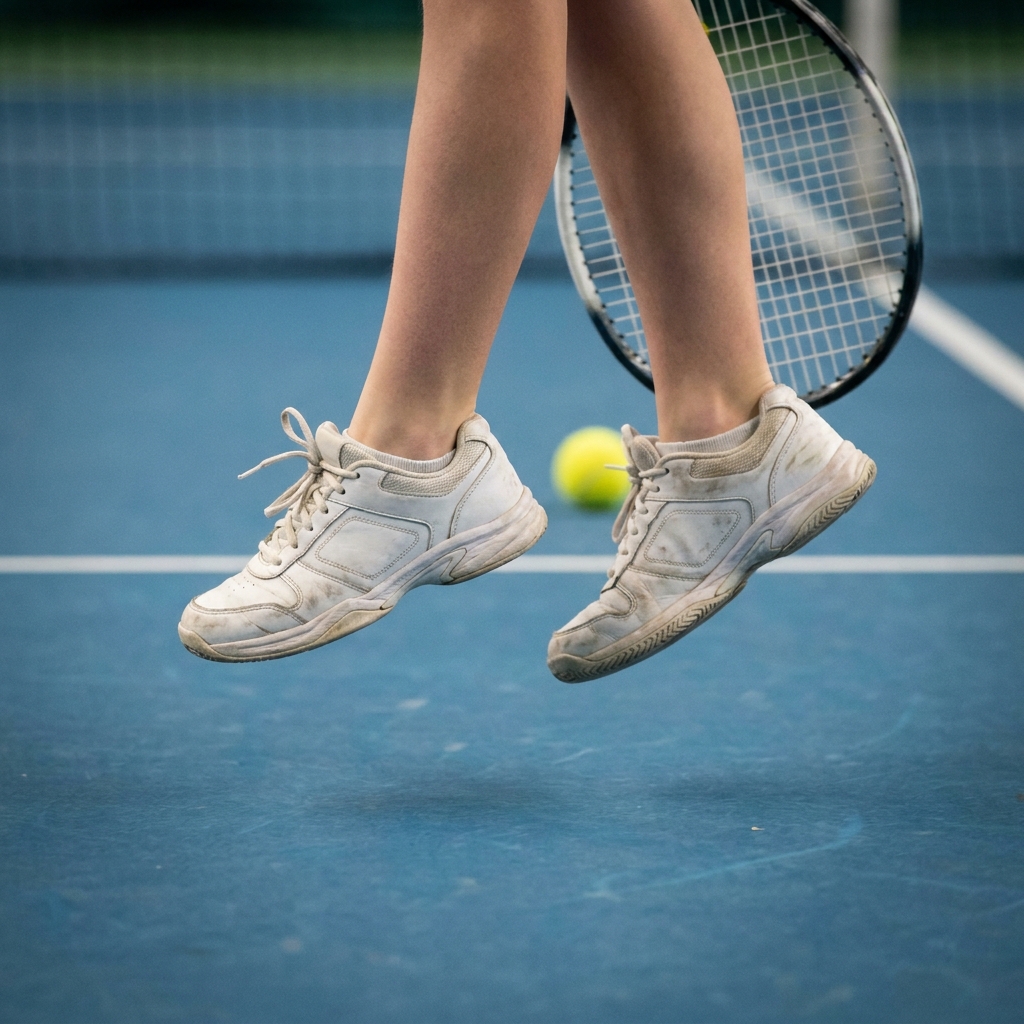
Indoor courts give players less time and less room. Help them sharpen their split step, shorten their swing and stay calm, and winter becomes a season of real progress.

A tiebreak is a short sprint where every point is worth the same as a break of serve. The players who win them are rarely the ones who hit hardest. Here is how to coach the patterns, habits and scoreboard thinking that win the big points.
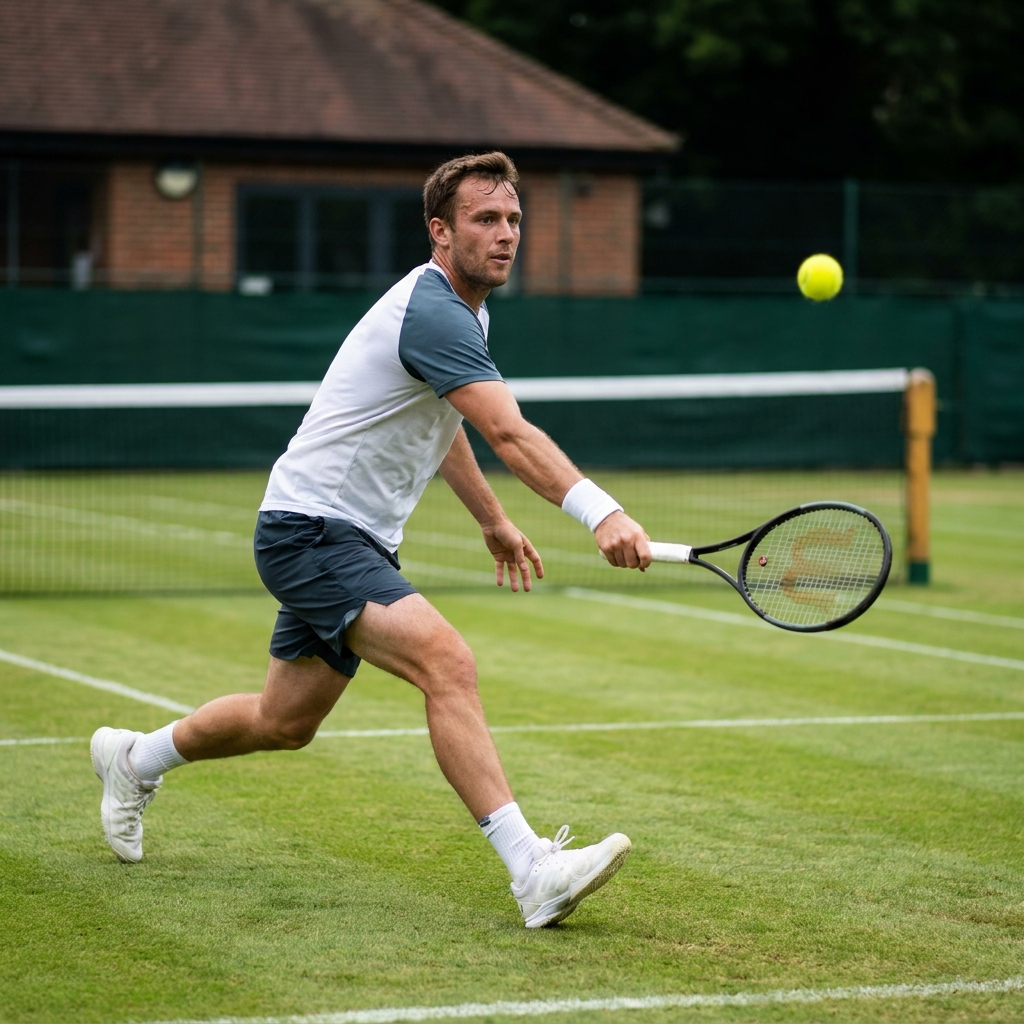
Most club players practise the serve on its own and then have no idea what to do with the ball that comes back. Serve plus one is the pattern that turns a good serve into a won point.


Register for FREE and get coaching tips, top drills, session and more every week!