The player wears resistance band attached to the waist and ankles. The coach feeds the balls to the forehand side, and the player hits only forehand volleys in a low dynamic position.
Maintaining low and dynamic position is even more important at the net than on the baseline. It is because players have less time to react so any weakness in positioning will be quickly exposed by a good opponent. Players should remember that rallies at the net are really quick (max 2-3 shots) so they have to make sure that each stroke is almost excellent.
In this drill, the player works on low and dynamic position. Wearing resistance band is a demanding coaching aid because players have to work really hard with their legs muscles to maintain this position. Another benefit of this tool is that trying to make legs straight is even more demanding for the muscles because of the resistance. The coach should make the sets shorter for less fit players and longer for real athletes to get good benefits of this drill. This exercise is also a good indicator of our players' fitness levels so players will get quick feedback about their physical preparation for tennis.
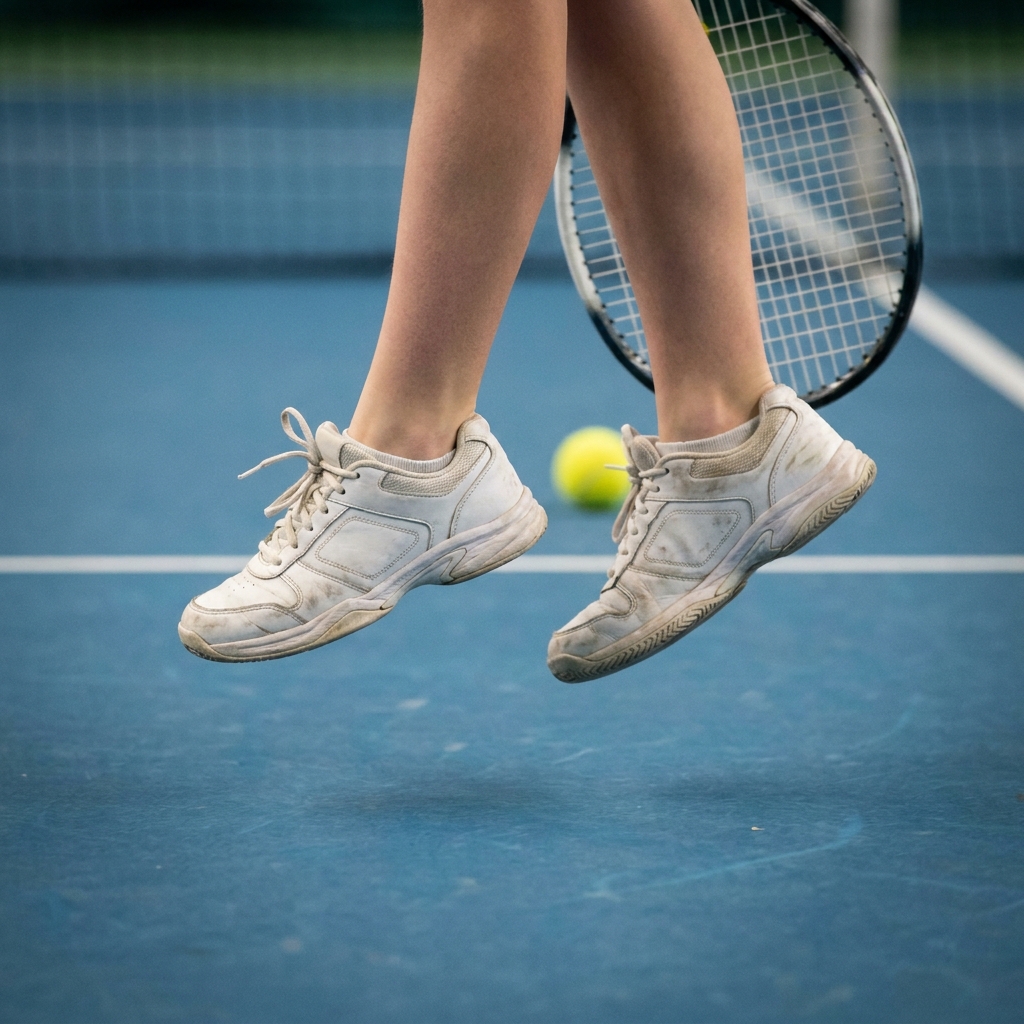
Indoor courts give players less time and less room. Help them sharpen their split step, shorten their swing and stay calm, and winter becomes a season of real progress.

A tiebreak is a short sprint where every point is worth the same as a break of serve. The players who win them are rarely the ones who hit hardest. Here is how to coach the patterns, habits and scoreboard thinking that win the big points.
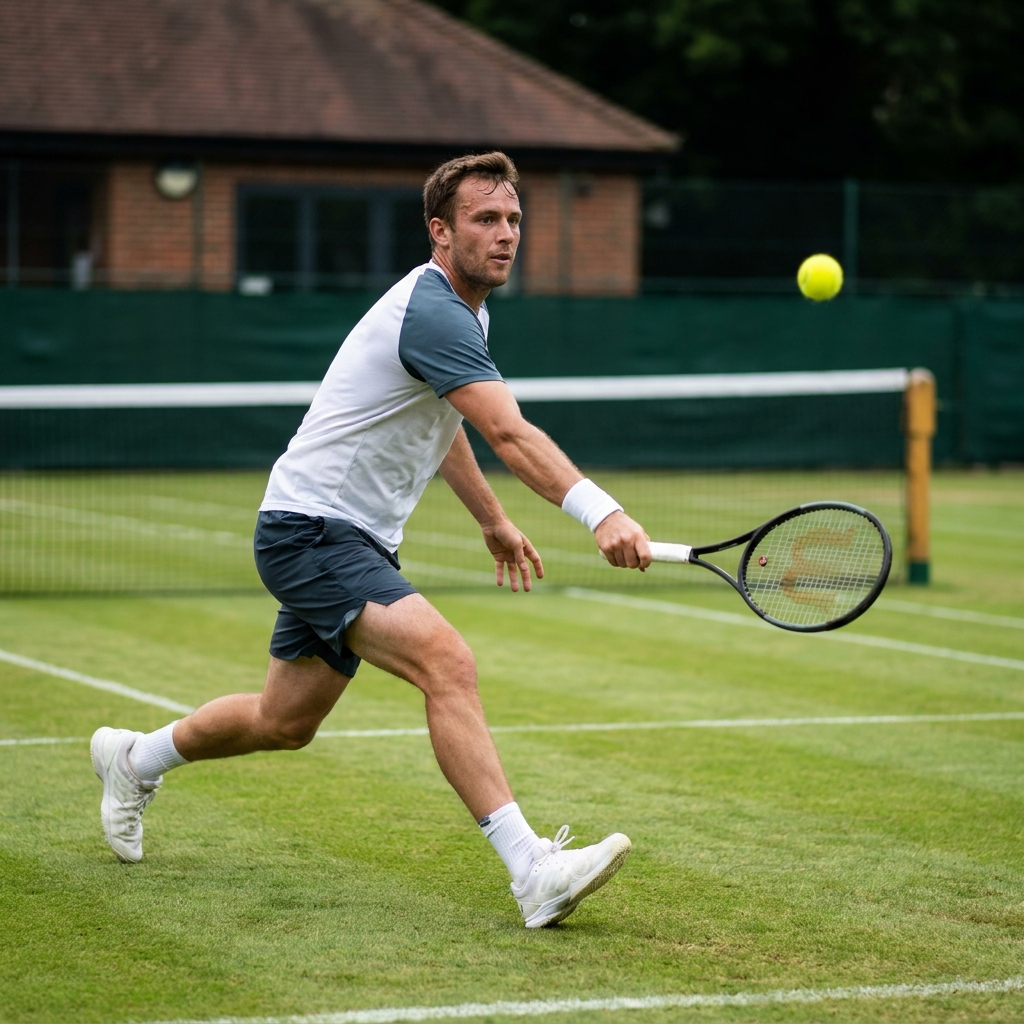
Most club players practise the serve on its own and then have no idea what to do with the ball that comes back. Serve plus one is the pattern that turns a good serve into a won point.


Register for FREE and get coaching tips, top drills, session and more every week!