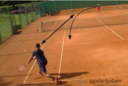
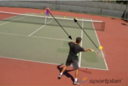
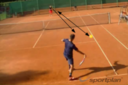
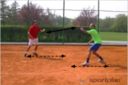
The coach serves from the ad side and the player then hits deep forehand return into ad corner. The coach feeds another ball to the ad side and the player hits deep backhand into ad corner.
Knowing specific patterns to play while returning is an easy way to be really comfortable while playing under pressure. If you have strategy and you plan before the point your stress level is much lower because you exactly know what you are going to do next. Teaching basic patterns while returning have to be implemented at all levels and it should be based on own strengths and opponent's weaknesses.
In this drill, the player executes basic tactical pattern. Because many players have weaker backhand than forehand, the player has to learn how to start the point forcing the opponent to hit with their weaker shot. By hitting forehand and the next shot deep into ad corner, the player works on simple pattern that can give many easy points during the match. The coach can perform this drill with time constraints or challenge player to hit a certain number of shots into the zone.
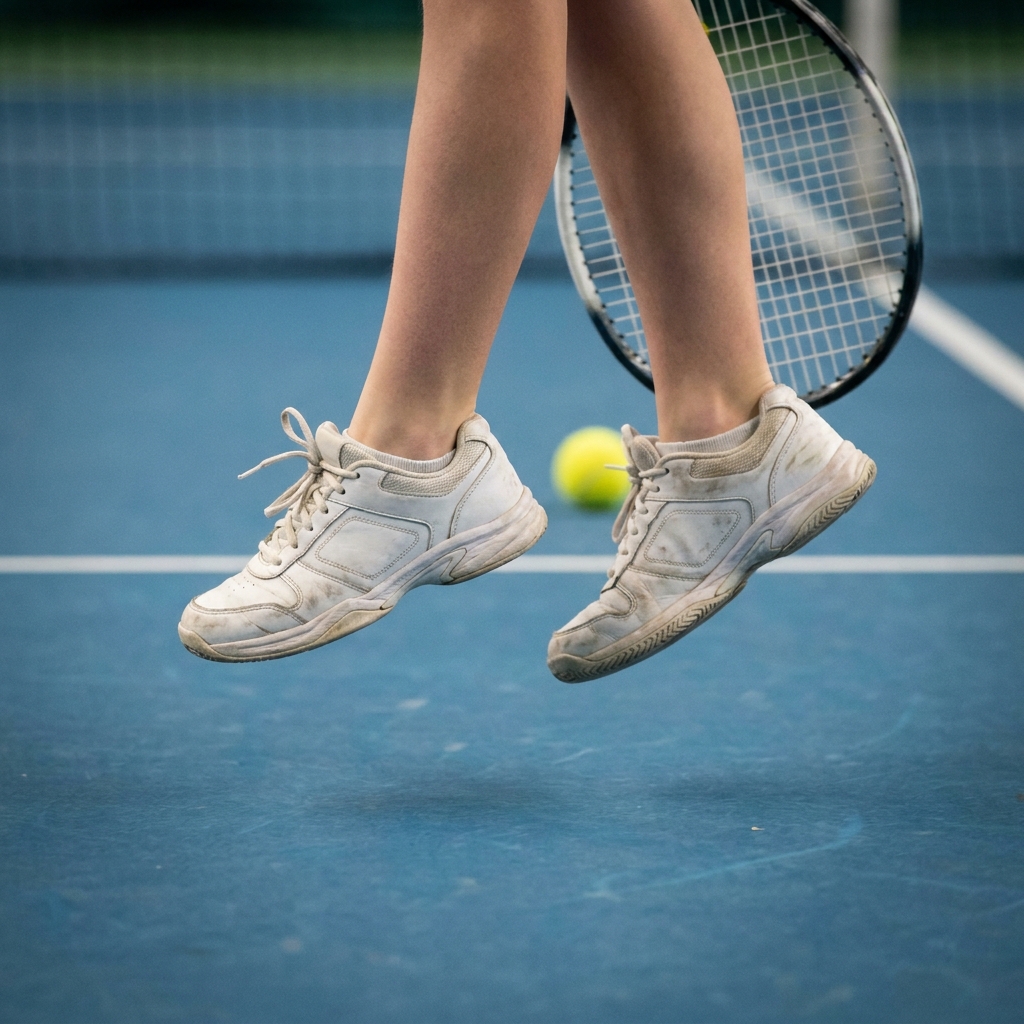
Indoor courts give players less time and less room. Help them sharpen their split step, shorten their swing and stay calm, and winter becomes a season of real progress.
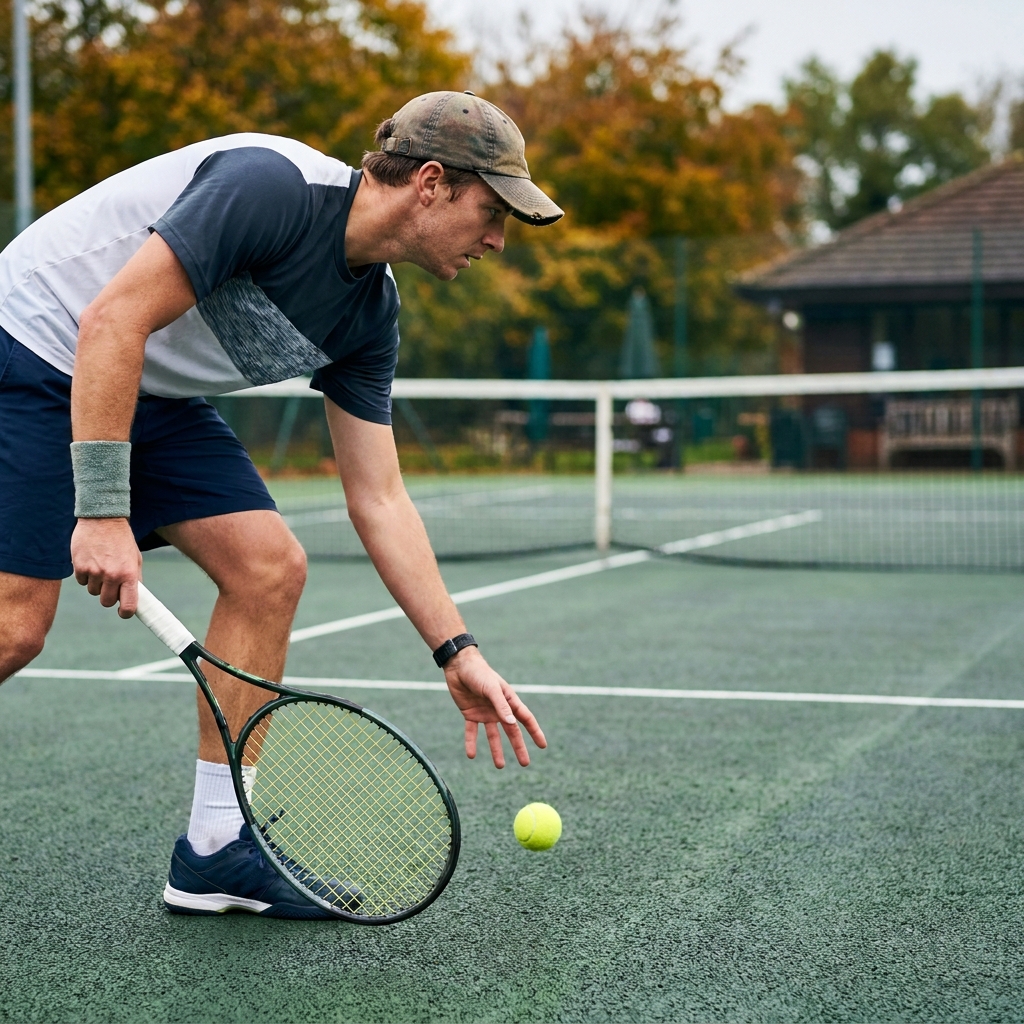
A tiebreak is a short sprint where every point is worth the same as a break of serve. The players who win them are rarely the ones who hit hardest. Here is how to coach the patterns, habits and scoreboard thinking that win the big points.
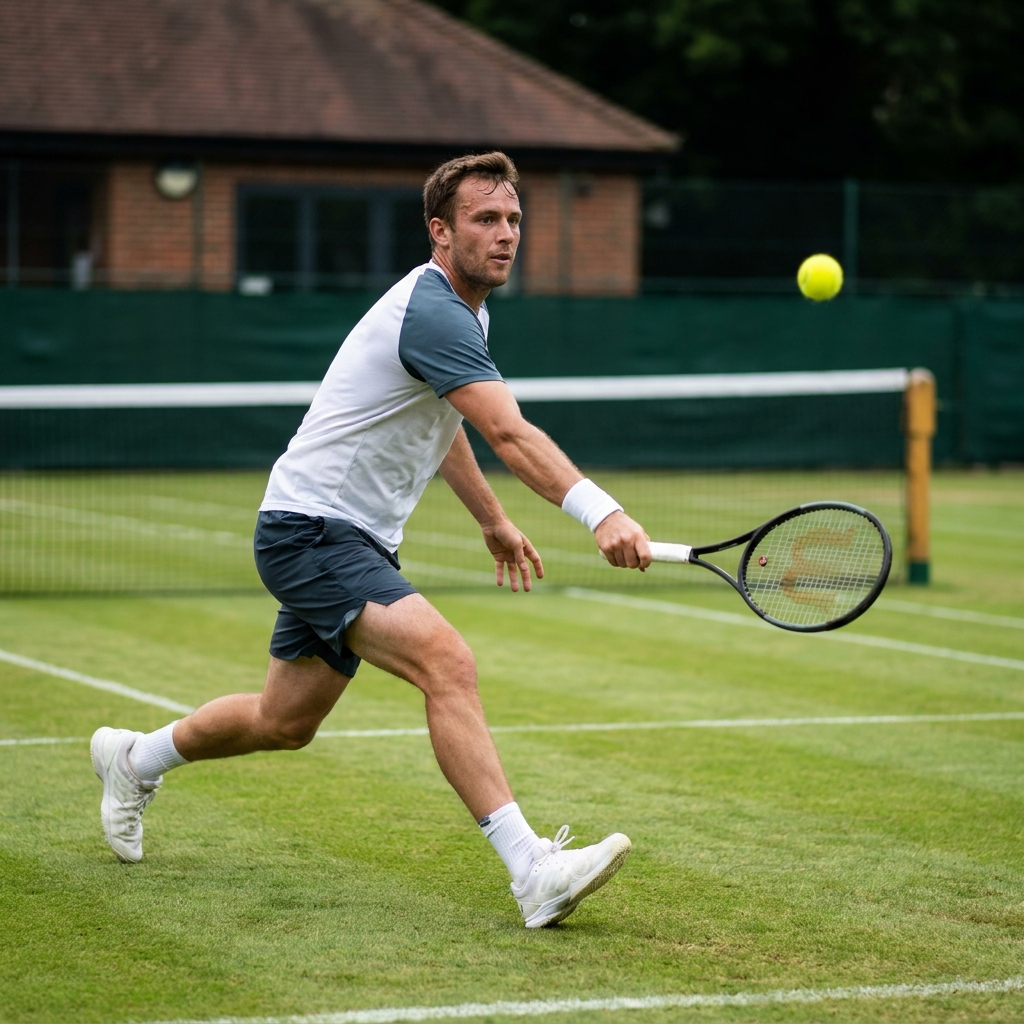
Most club players practise the serve on its own and then have no idea what to do with the ball that comes back. Serve plus one is the pattern that turns a good serve into a won point.


Register for FREE and get coaching tips, top drills, session and more every week!