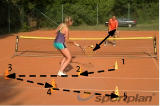
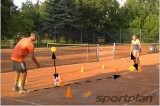
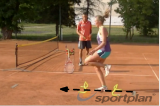
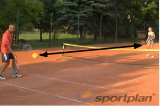
The coach's side is divided into 4 zones. The coach feeds the ball to the forehand side, and the player hits the forehand. If the player hits one of the zones, she takes the cone and marks this zone. Now player aims for other zones and the goal is to make them all!
Visual information is crucial for young players because it is their primary form of learning. By giving the young players the opportunity to mark the zones and see visibly the other targets left, young players are able to better control and direct their next shots. Additionally, young plares love colors so their motivation gets up if the drill includes these props.
In this drill, the player works on forehand's control and placement. By dividing the court into 4 different zones, the player works on different forehands so she develops many abilities at the same time. The coach should watch how players adapt to hit short and deeper strokes and give some advice if players struggle for a longer time.
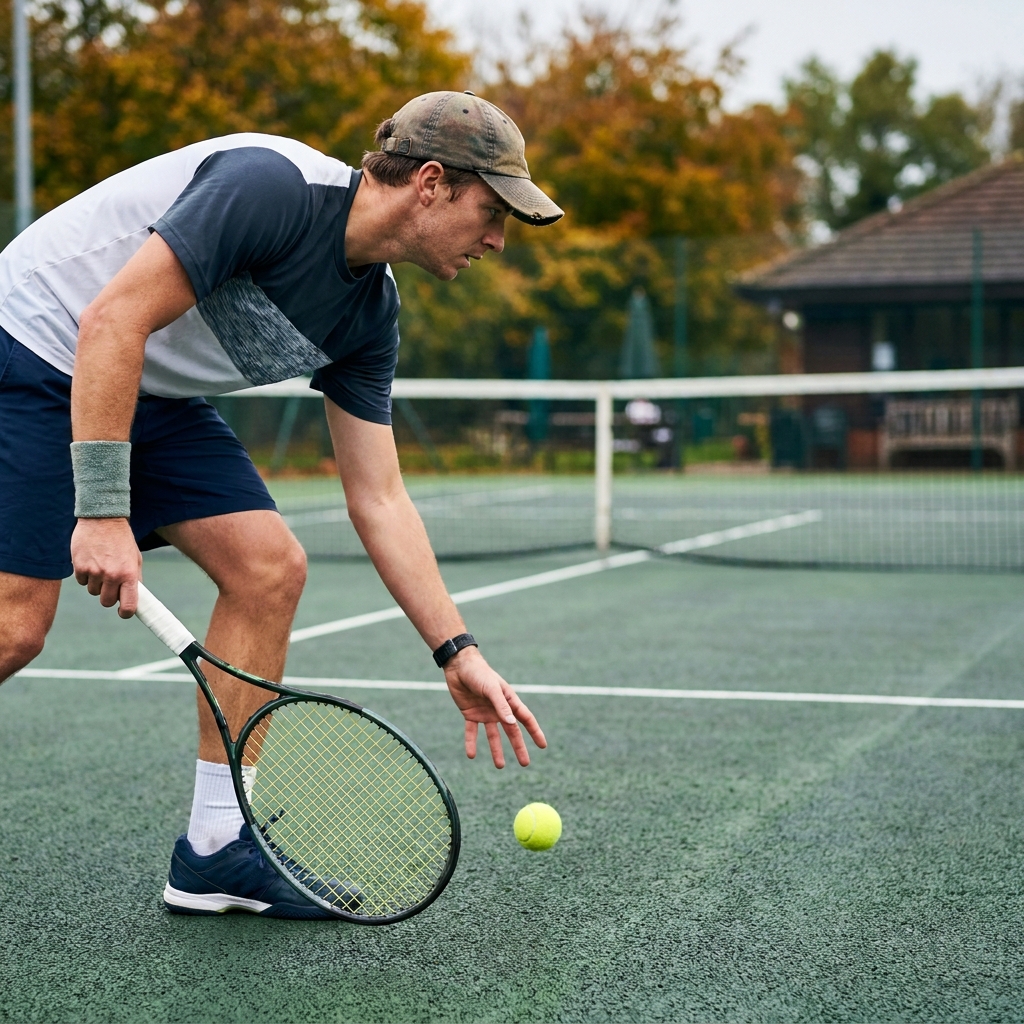
A tiebreak is a short sprint where every point is worth the same as a break of serve. The players who win them are rarely the ones who hit hardest. Here is how to coach the patterns, habits and scoreboard thinking that win the big points.
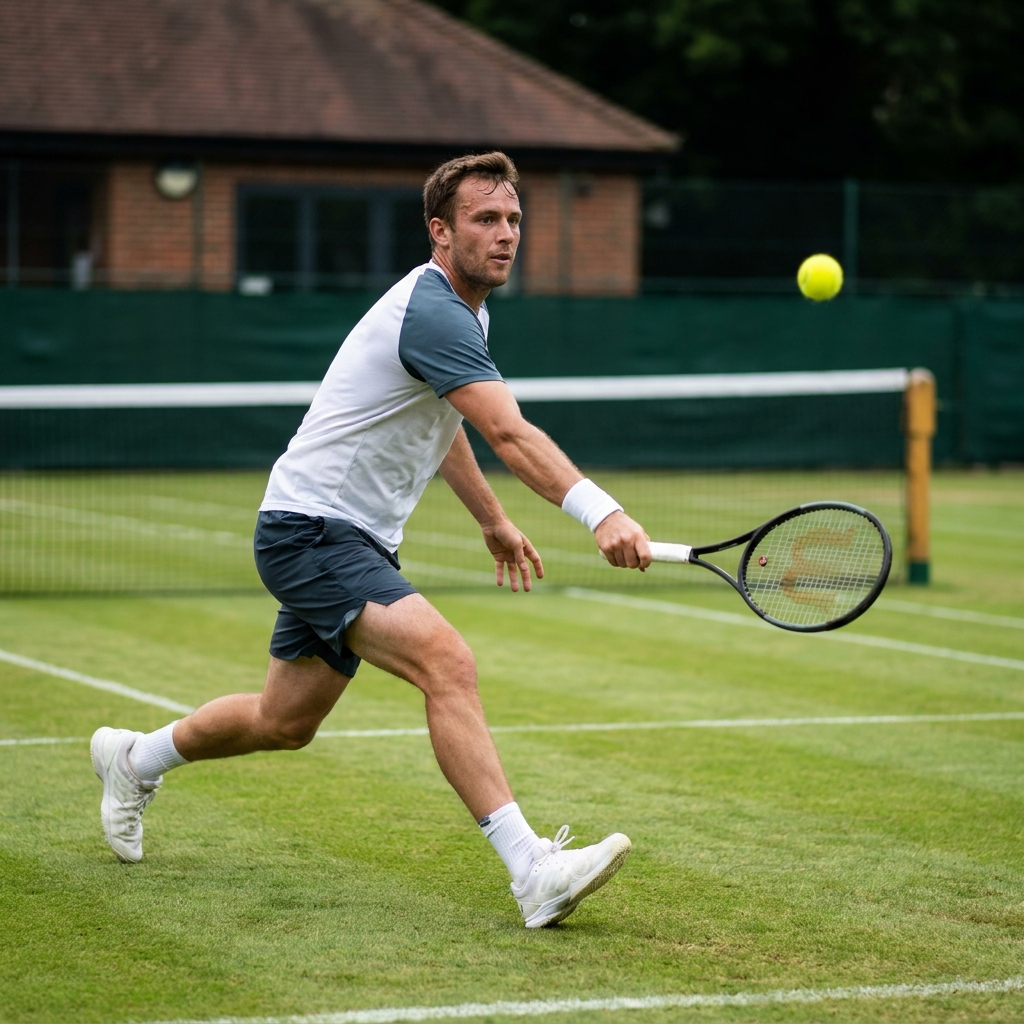
Most club players practise the serve on its own and then have no idea what to do with the ball that comes back. Serve plus one is the pattern that turns a good serve into a won point.
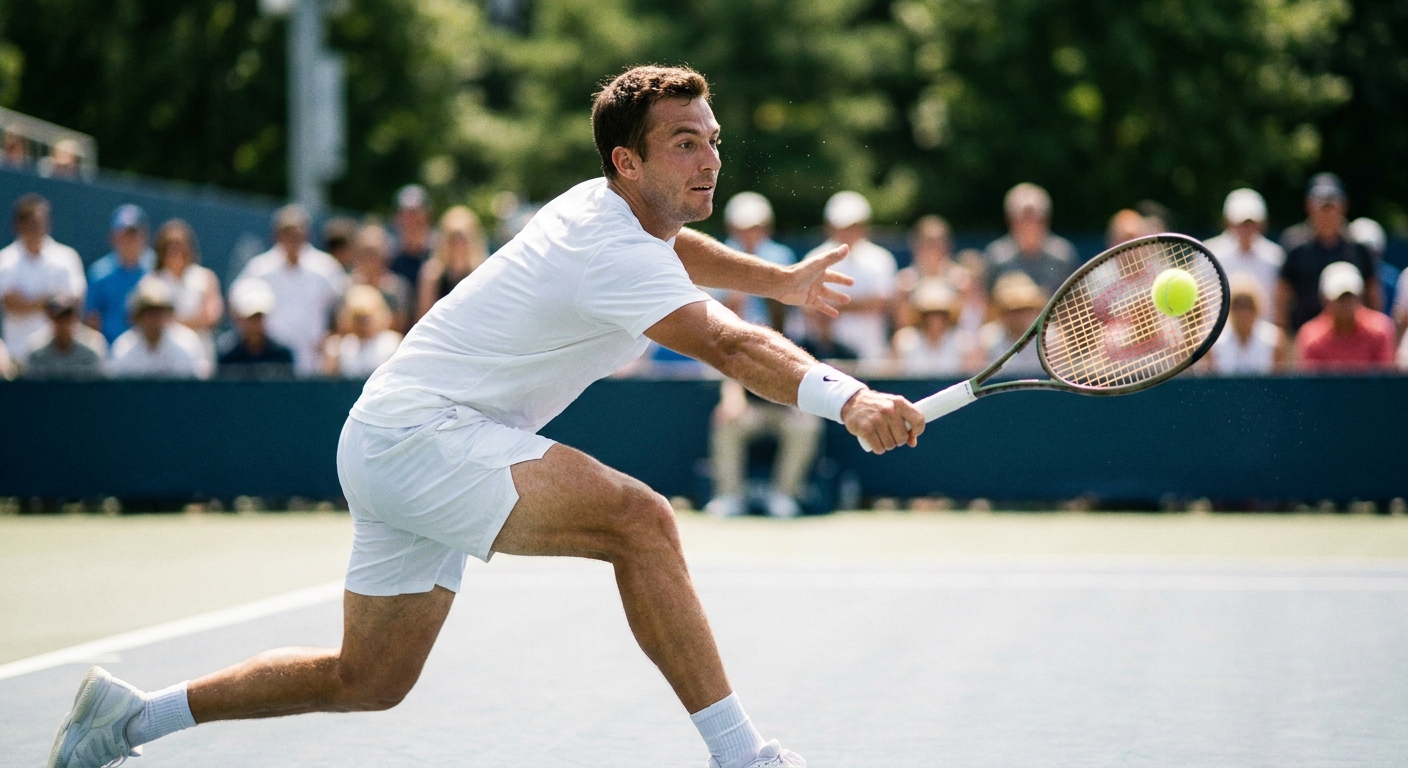
Wimbledon has just crowned another champion, and if you watched closely you saw the same thing every year: the best returners quietly won the tournament. Here is how to coach a return that pressures the server rather than just surviving it.


Register for FREE and get coaching tips, top drills, session and more every week!