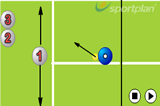
The coach stands behind the player. The player works with fast feet, and then the coach throws the ball over the player's head, who then has to catch the ball in the air. This exercise is a good warm-up tool to work on quick movement and reaction. Knowing how fast modern game is, these skills are necessary to become a good net-game player.
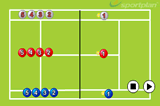
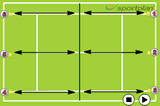
Rally from the service line is a good drill to work not only on volleys but also to improve important tennis skills like reaction and consistency. Short distance from each other means that players can't lose focus even for a second so coach should emphasize proper mental approach to achieve desired results.
In this exercise, players work on consistency, control and placement. The coach should tell players to bend knees really low to react faster and be able to respond to low shots. Many juniors make mistake with hitting the volley and straightening legs what results in late next volleys because of the lost rhythm.
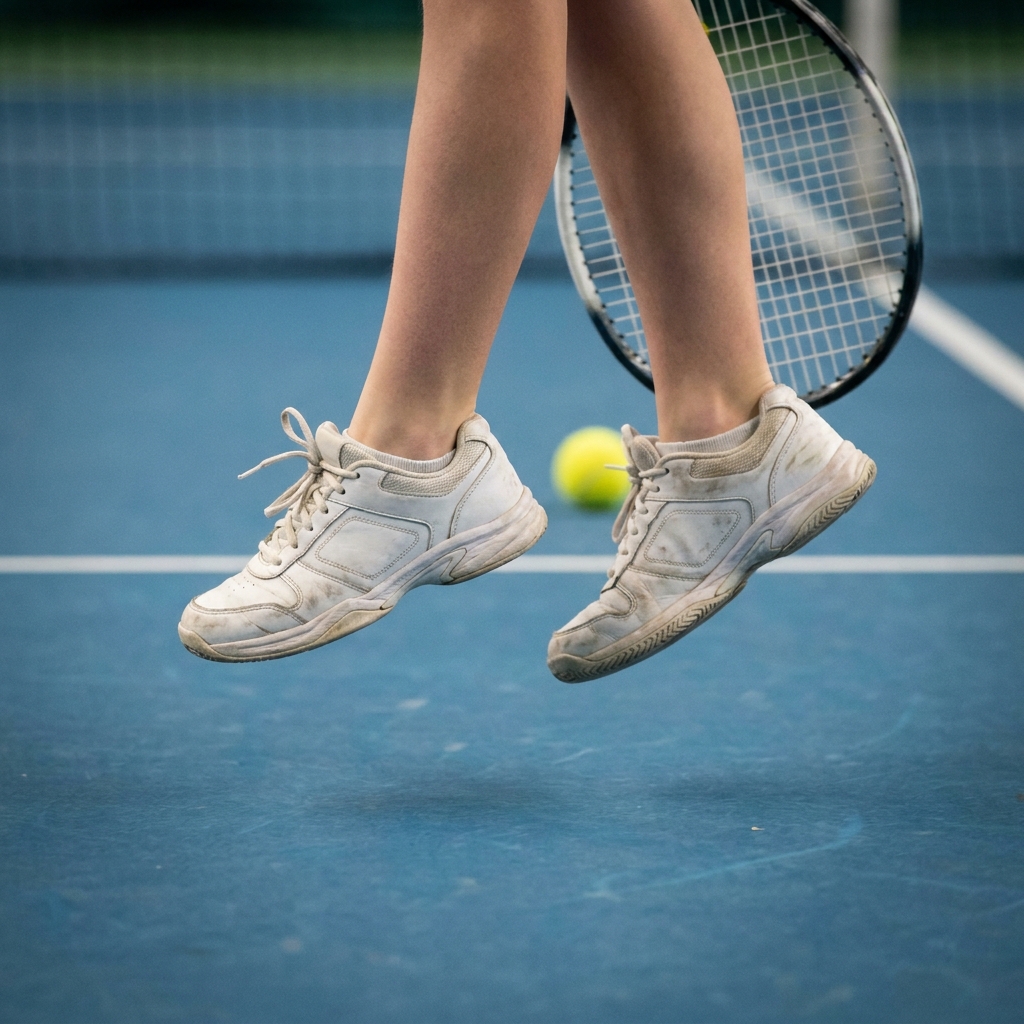
Indoor courts give players less time and less room. Help them sharpen their split step, shorten their swing and stay calm, and winter becomes a season of real progress.
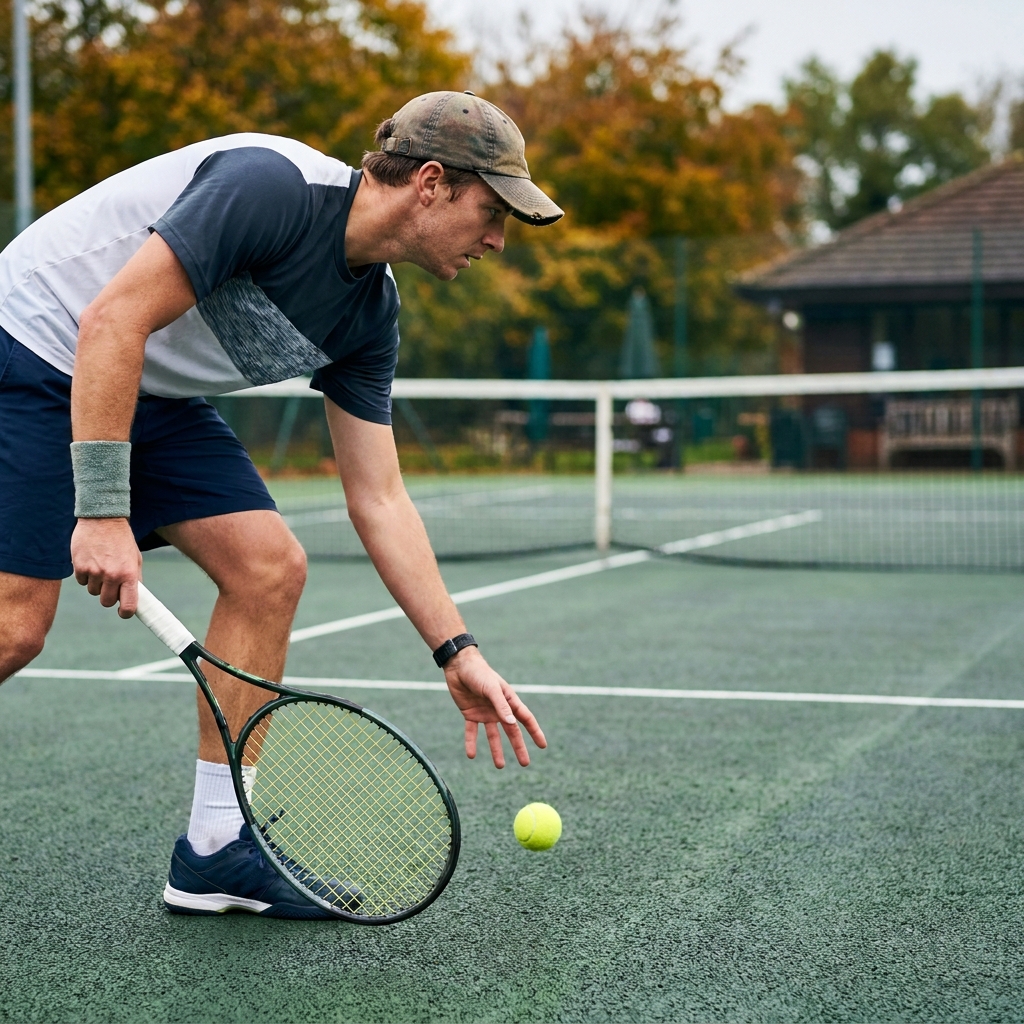
A tiebreak is a short sprint where every point is worth the same as a break of serve. The players who win them are rarely the ones who hit hardest. Here is how to coach the patterns, habits and scoreboard thinking that win the big points.
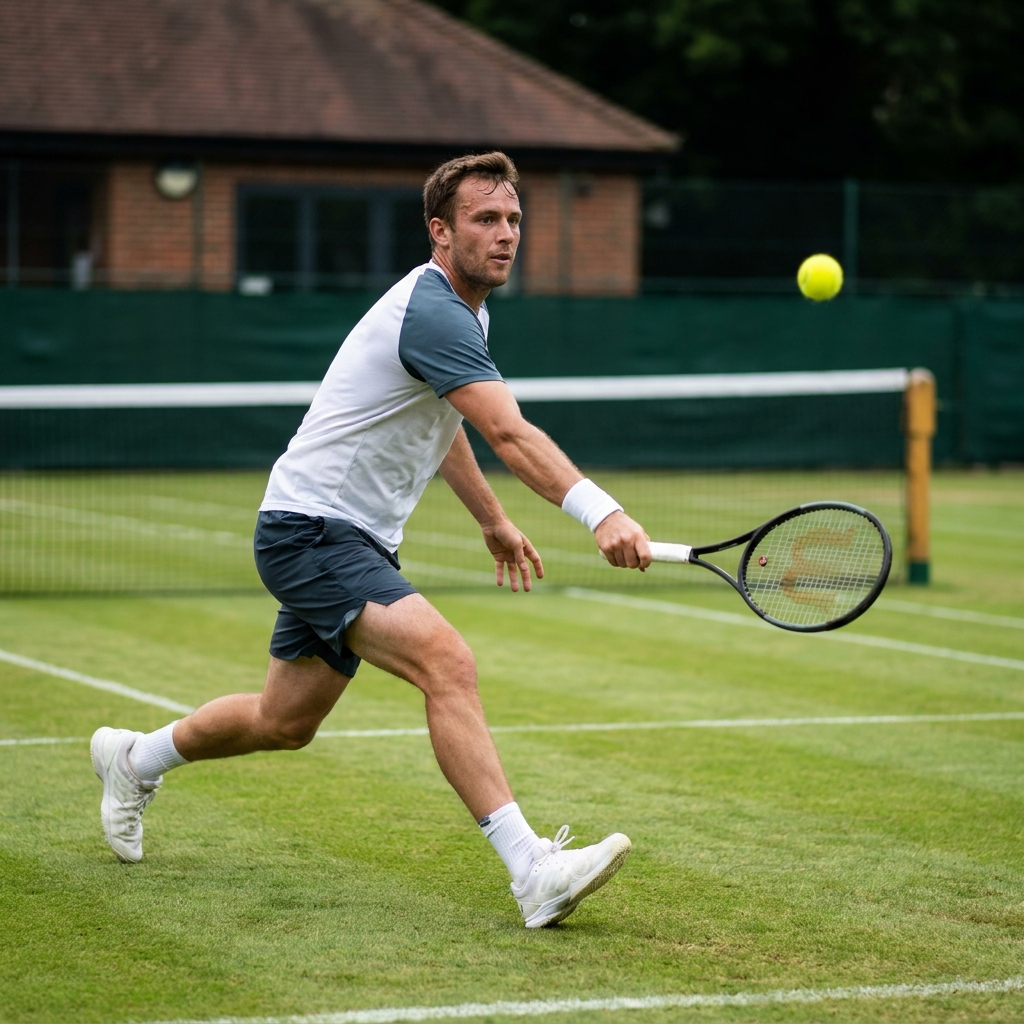
Most club players practise the serve on its own and then have no idea what to do with the ball that comes back. Serve plus one is the pattern that turns a good serve into a won point.


Register for FREE and get coaching tips, top drills, session and more every week!