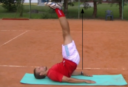
Cones are set in the deep zone. The coach feeds balls to the backhand and the player hits a backhand slice aiming into deep zone.
We have to remember that if something is difficult for us, it can be also difficult for our opponents. Practising shots from low point of contact have to make players aware that this situation is demanding and it is worthy to put opponents into it. The slice shot is a great weapon to incorporate into own games, not only because it changes spin of the rally, but also because it forces rival to deal with low balls. Without abilities to stay low and adapt technical aspects, rivals won't be able to maintain high level of play while receiving many slice shots.
In this drill, the player works on depth's control while using backhand slice. Deep balls tend to be the most effective strategy at most levels of play. This strategy guarantees that the player stays behind the baseline and has to possess skills that will let him answer these balls consistently close to the baseline. If it doesn't happen, our deep shots will provide us with situations where we receive short balls that are easy to attack and win points. Additionally, adding backspin to deep shots puts even more pressure on opponent so we can be sure that if they don't practise these shots on a regular basis, they won't be able to come up with good responses while competing.

A tiebreak is a short sprint where every point is worth the same as a break of serve. The players who win them are rarely the ones who hit hardest. Here is how to coach the patterns, habits and scoreboard thinking that win the big points.

Most club players practise the serve on its own and then have no idea what to do with the ball that comes back. Serve plus one is the pattern that turns a good serve into a won point.
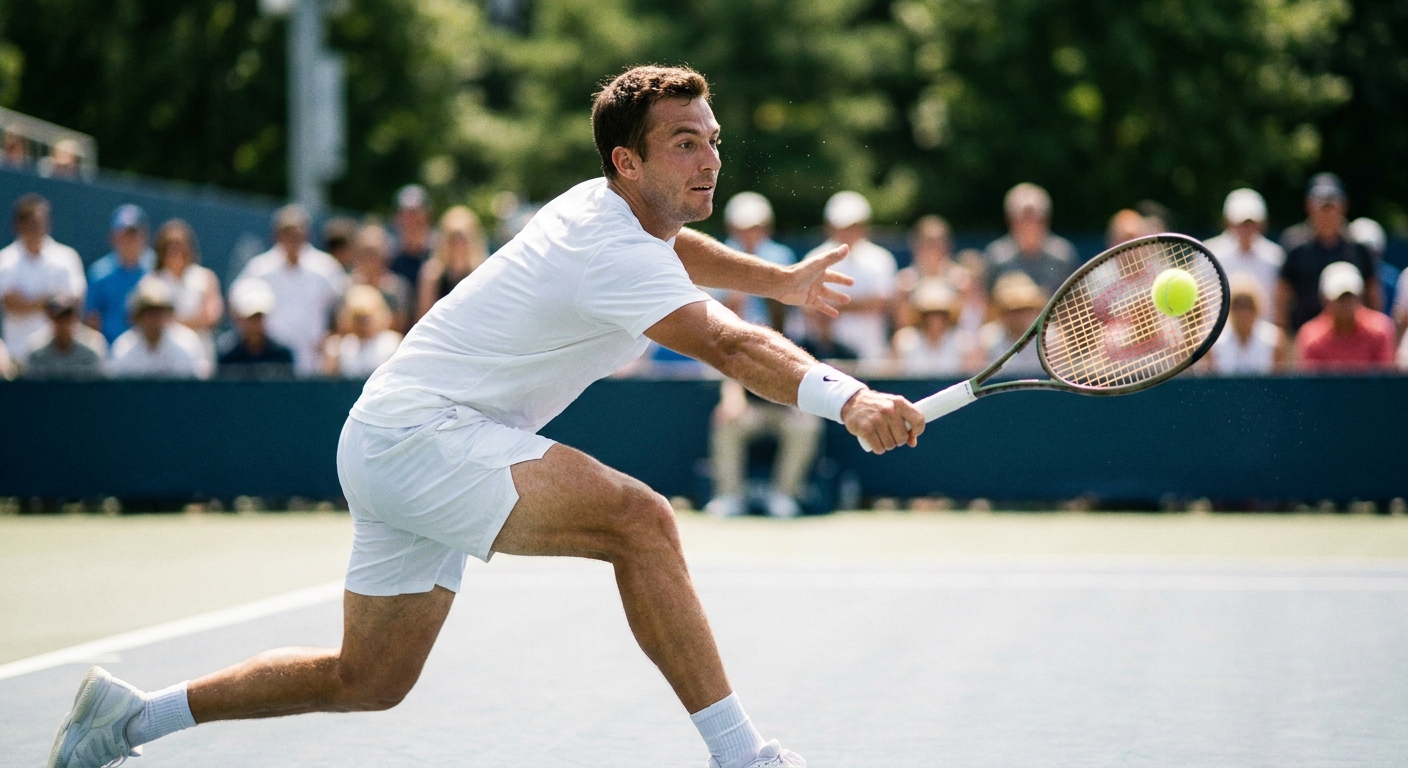
Wimbledon has just crowned another champion, and if you watched closely you saw the same thing every year: the best returners quietly won the tournament. Here is how to coach a return that pressures the server rather than just surviving it.


Register for FREE and get coaching tips, top drills, session and more every week!