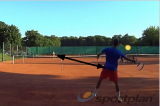
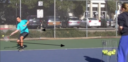
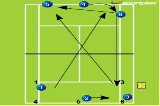
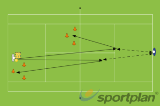
The player wears resistance bands to maintain low position. The player performs regular forehands paying attention to maintaining low position all the time.
Tennis is a sport of running and quick reaction. Players have to understand what benefits are standing behind low position on the court and make sure that they practise this stance all the time. Keeping legs low gives a chance for faster reaction, more power generation and definitely superior control over shots, so all these qualities we can see in performances of top players in the world.
In this drill, the player works on athletic stance while hitting forehands. Resistance bands are great to show players how much work they have to make to play like the best players in the world. The coach should pay attention to keeping low position but also should make players aware when and how the quality of his shots raises/drops. The coach can use this tool from time to time to remind players about some basics or use it for a longer time to analyse tennis and physical improvements. The coach can measure when player gets so tired so his quality drops and compare data from previous days/weeks to see the rate of progress.
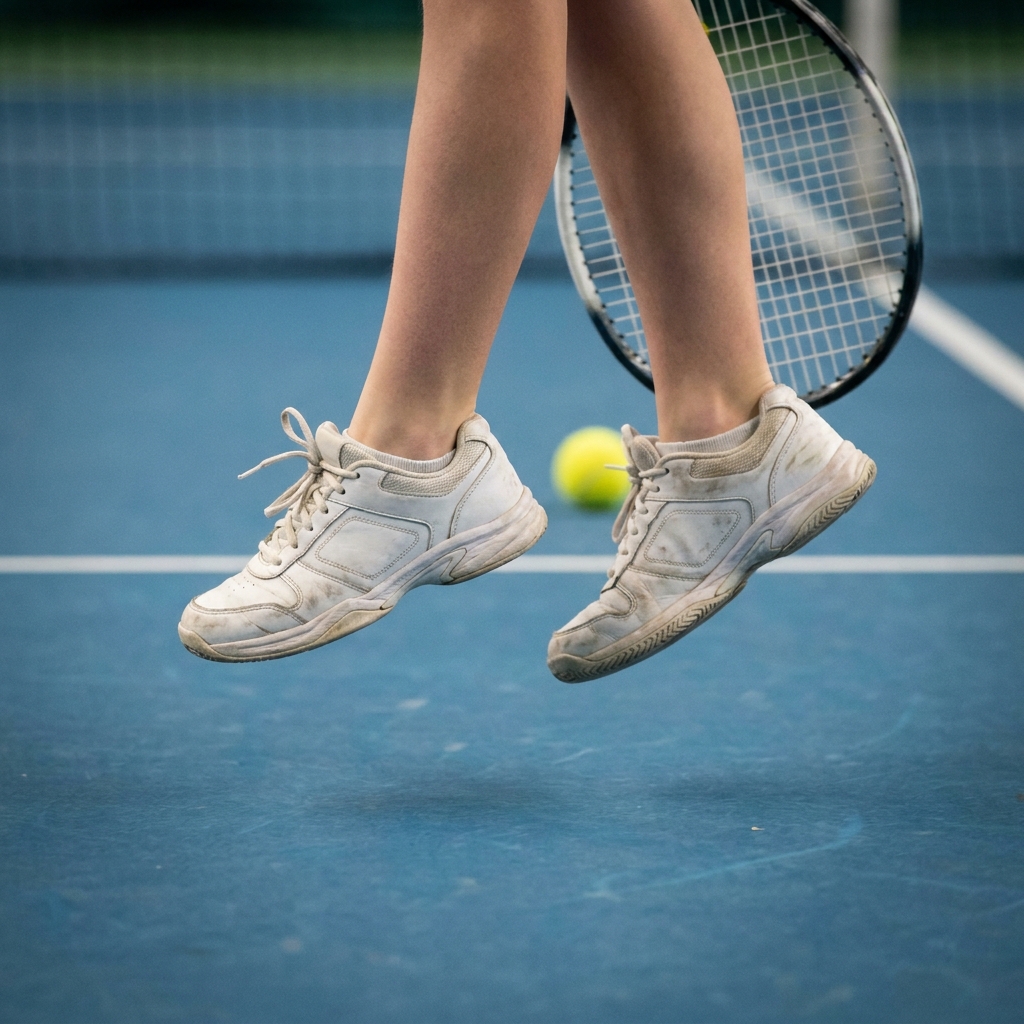
Indoor courts give players less time and less room. Help them sharpen their split step, shorten their swing and stay calm, and winter becomes a season of real progress.
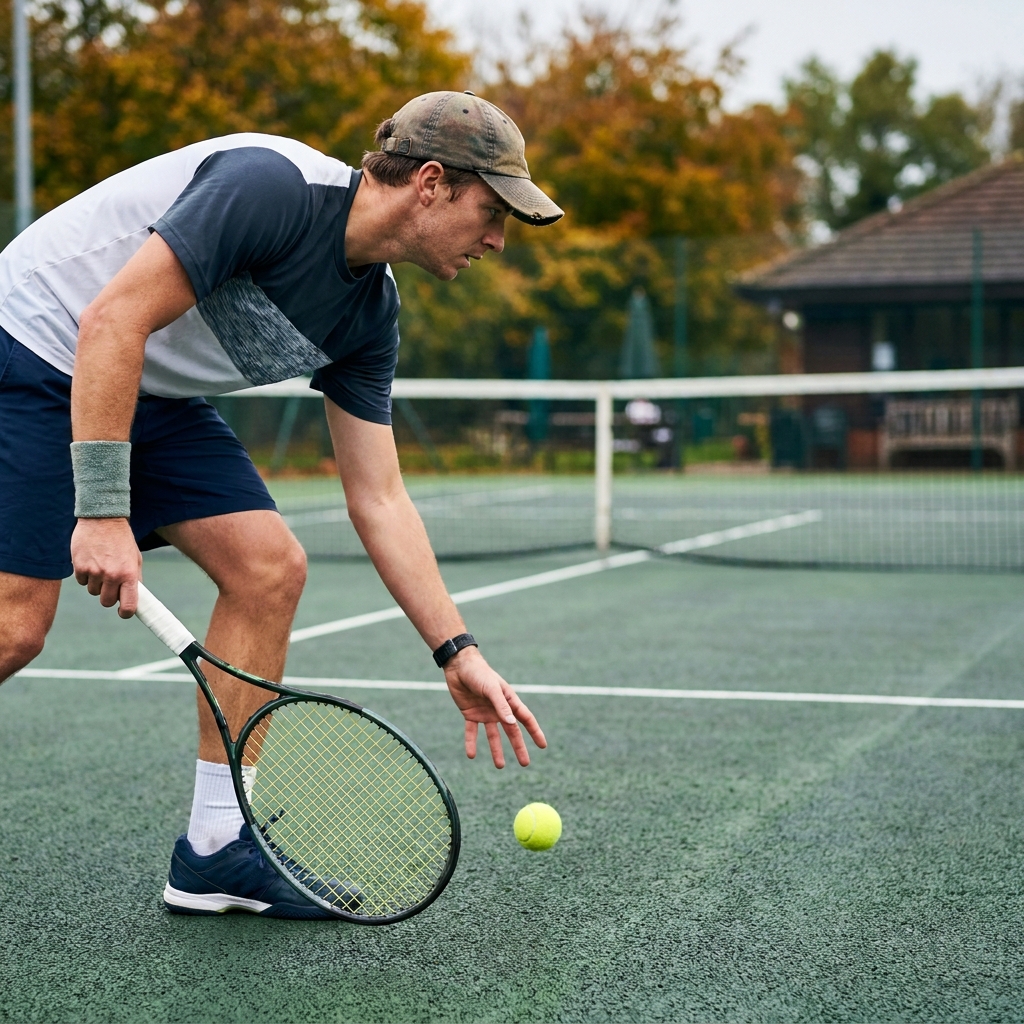
A tiebreak is a short sprint where every point is worth the same as a break of serve. The players who win them are rarely the ones who hit hardest. Here is how to coach the patterns, habits and scoreboard thinking that win the big points.
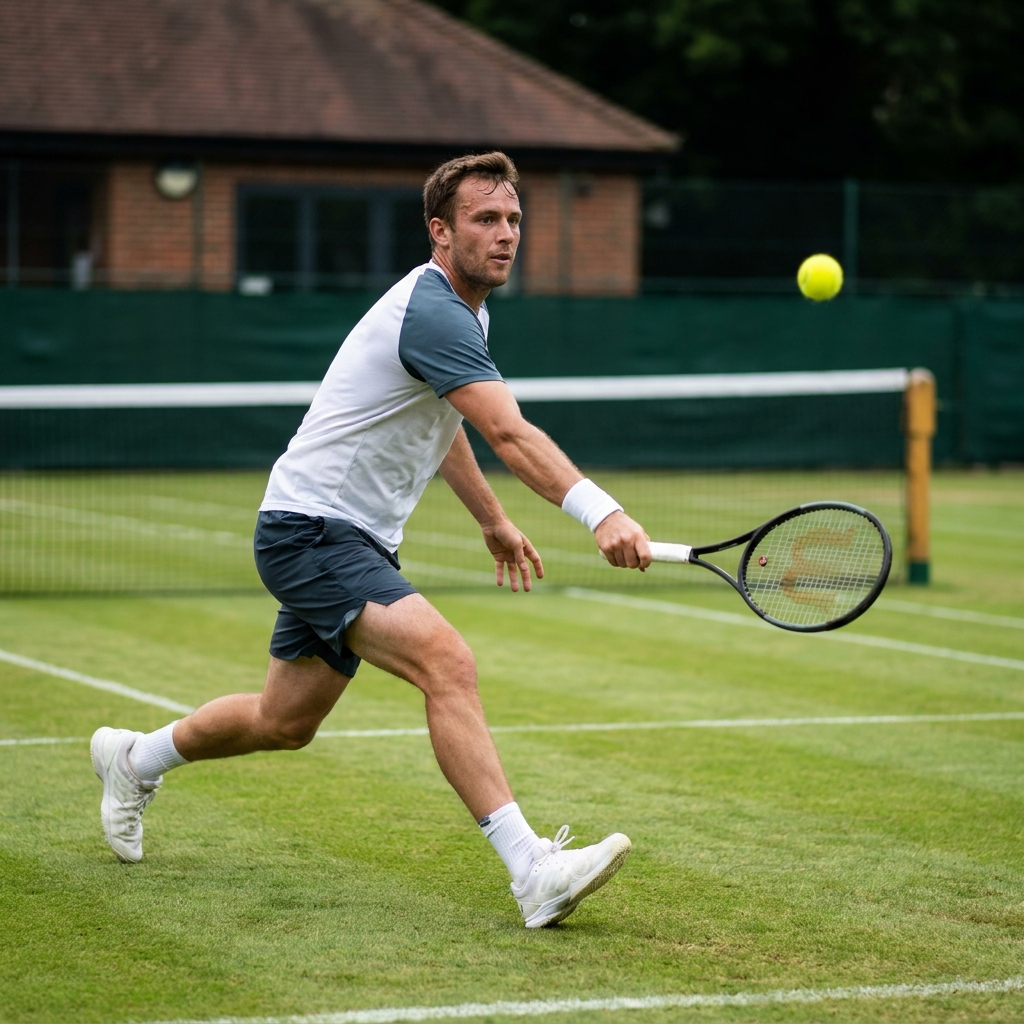
Most club players practise the serve on its own and then have no idea what to do with the ball that comes back. Serve plus one is the pattern that turns a good serve into a won point.


Register for FREE and get coaching tips, top drills, session and more every week!