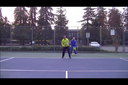
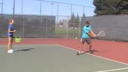
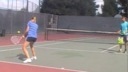
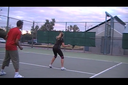
The coach stands behind the player keeping the band in hands. Resistance band is attached to the player's racquet and long enough to allow player to get to solid point of contact. The player imitates backhand stroke with emphasis on point of contact.
The coach stands behind the player keeping the band in hands. Resistance band is attached to the player's racquet and long enough to allow player to get to solid point of contact. The player imitates backhand stroke with emphasis on point of contact.
In this drill the player works on proper motion. Having resistance that restricts the player to go only to the limited spot is a great teaching tool that coaches can use to improve point of contact. By performing the same backhand stroke over and over again and stopping at point of contact the player builds muscle memory that will be helpful while hitting the ball. This drill can be repetitive because of lack of changing environment so coach should always give specific number of repetitions to make sure that high motivation and high quality are present in all strokes.
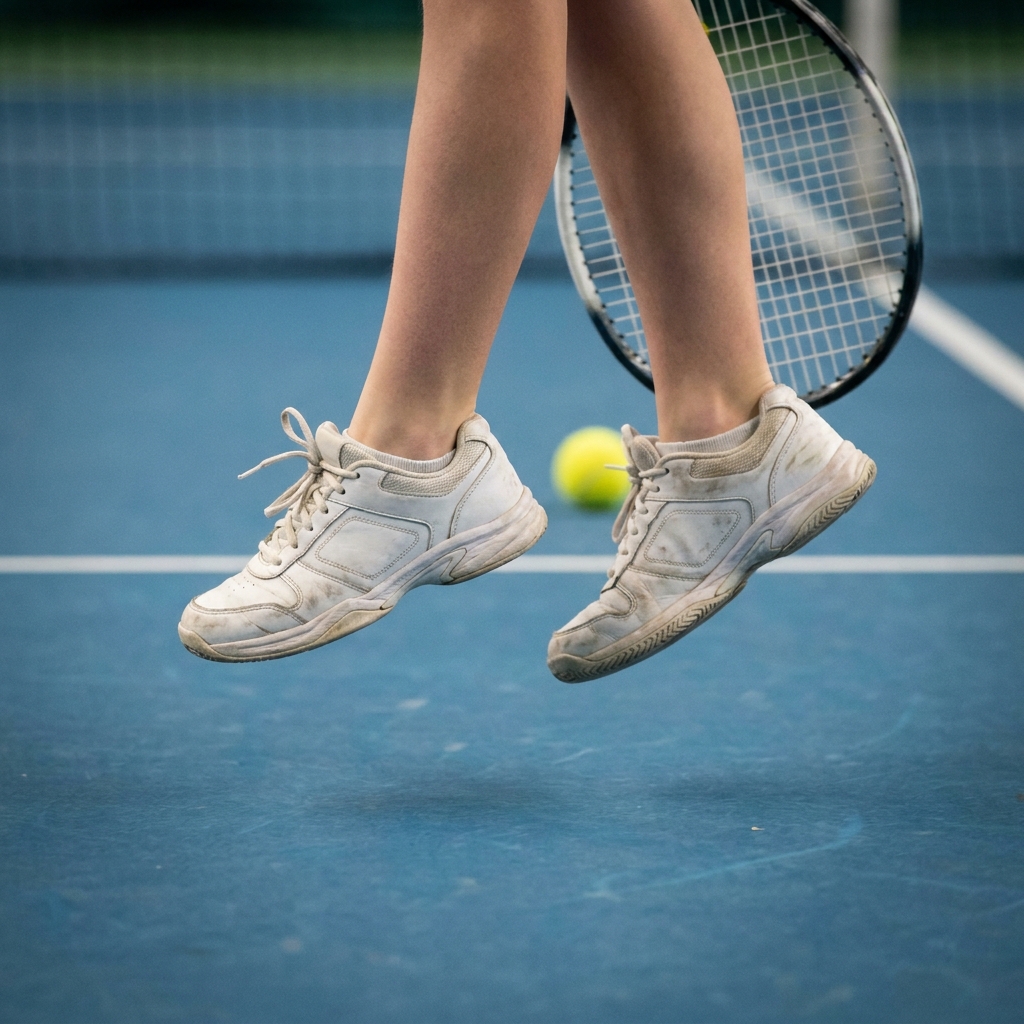
Indoor courts give players less time and less room. Help them sharpen their split step, shorten their swing and stay calm, and winter becomes a season of real progress.
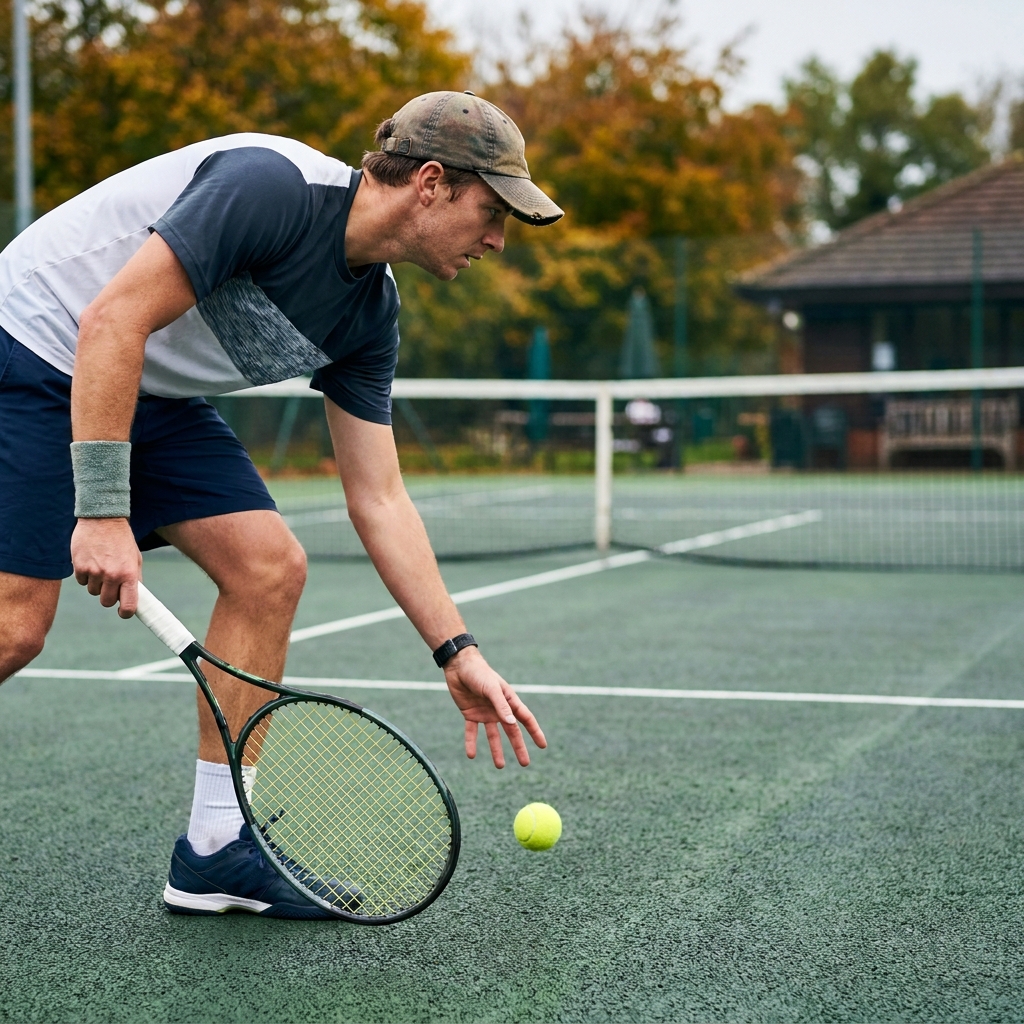
A tiebreak is a short sprint where every point is worth the same as a break of serve. The players who win them are rarely the ones who hit hardest. Here is how to coach the patterns, habits and scoreboard thinking that win the big points.
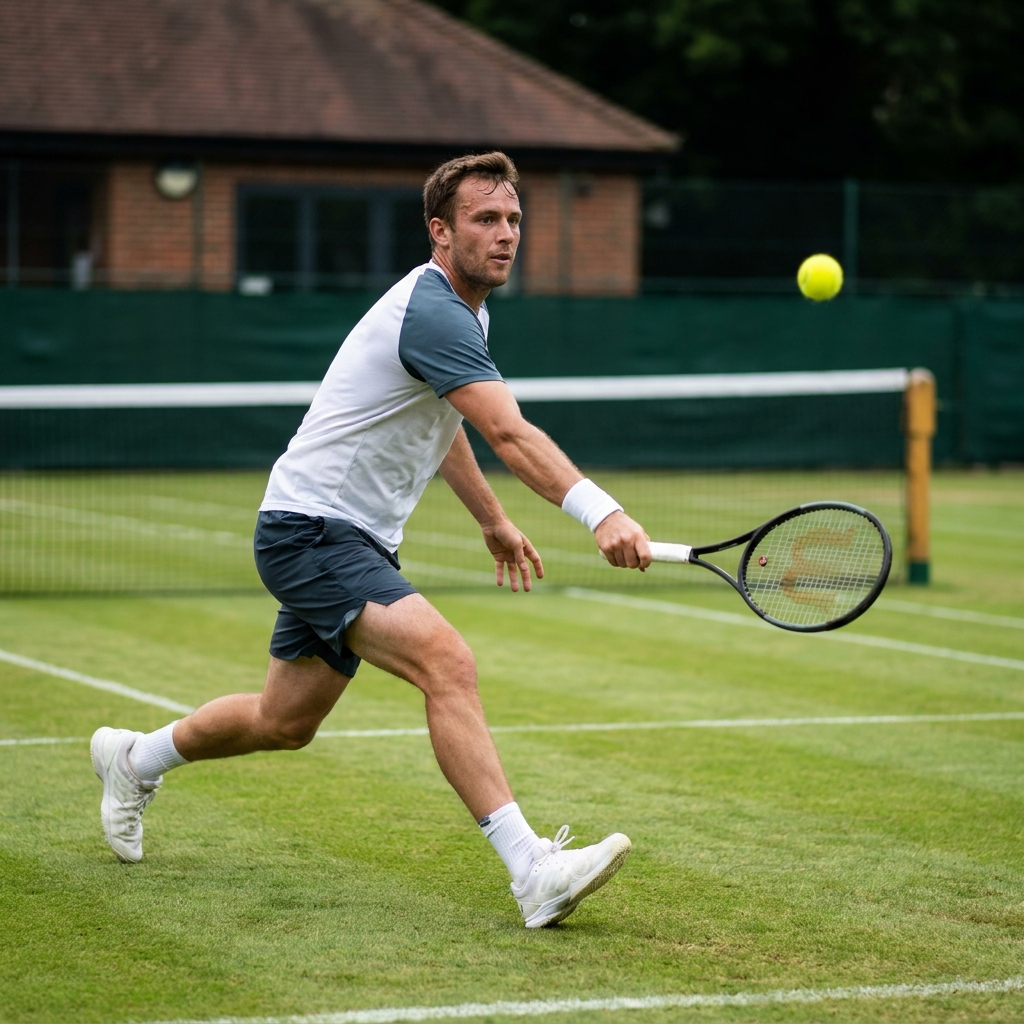
Most club players practise the serve on its own and then have no idea what to do with the ball that comes back. Serve plus one is the pattern that turns a good serve into a won point.


Register for FREE and get coaching tips, top drills, session and more every week!