Good for younger rugby players to learn how to go into contact and set up the ball at pace, you can use it as a competition between the team with a limit of time etc.
2 tackle shields, 1 ball
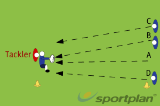
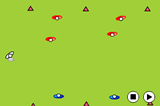
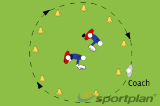
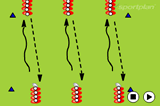
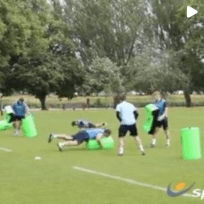
2 people are on the tackle shields about 5 metres apart facing each other, there is a ball carrier standing in the middle of the two defenders. Ball carrier runs in to one defender and places the ball. Once placed, he gets to his feet quickly and runs into the next defender doing the same. This process can continue for as short or as long as you like, a good challenge would be 30 second limit to get in as many hits and ball placements as possible.
Work at a high intensity!
Hit with the leading shoulder holding the ball with both hands at the furthest point away from the defender, as you would in a game. This would be on the hip furthest away from the defender. When making contact it should be a low to high body position using your leg power to your advantage.
Depending on what you want working you can let them have a leg drive to push off defenders. Place the ball as far as you can away from the defender as quickly as possible, side or long placement. Work to get back to your feet as quickly as possible.
The ball carrier could have a partner, once the ball carrier has hit the defender and gone to ground he could offload it to his partner who would then proceed to the next defender. Or the defender would allow to step over once the ball carrier has gone to ground and the partner must clear the defender away.
in more ways than one
 sportplan_netball
in more ways than one
sportplan_rugby
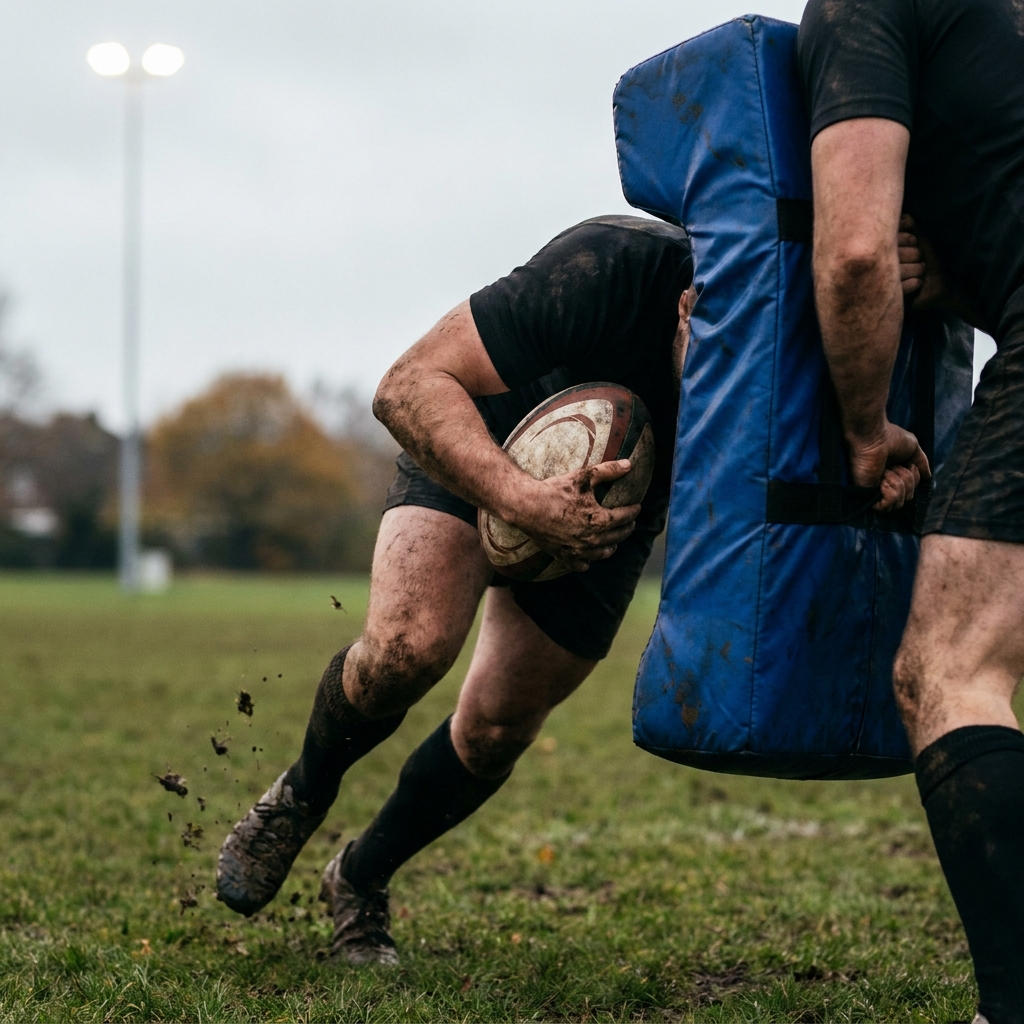
Tacklers are aiming lower, so carriers who dip late put heads at risk. Teach footwork, a strong early body height and leg drive to win the collision safely.
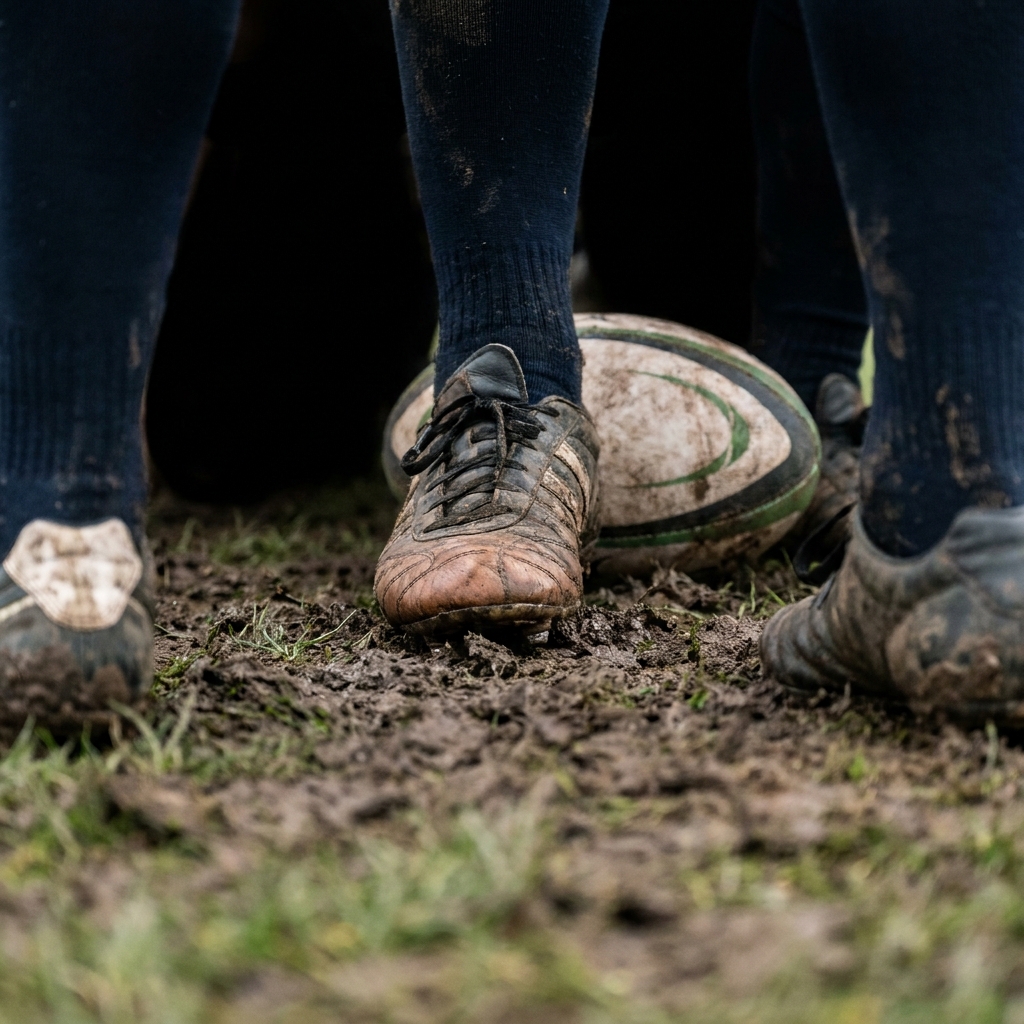
The hooker's brake foot moved from trial into full law in July 2026. Here is how to coach it so your front row stays stable, legal and safe.
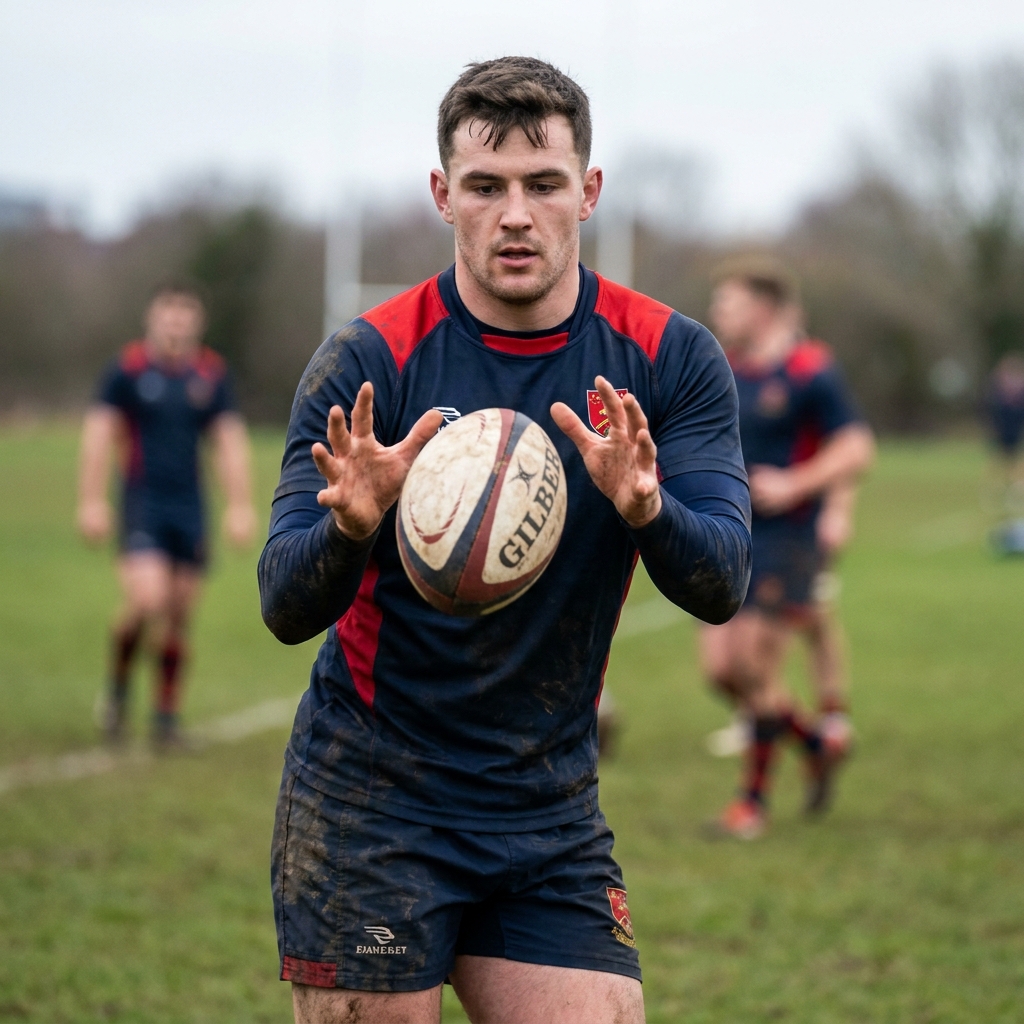
Your players can pass beautifully in a warm-up grid. Then a defender closes, their lungs are burning, and the ball goes to ground. Here is how to build catch-pass skills that hold up when it matters.