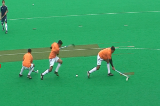
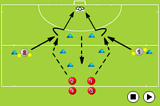
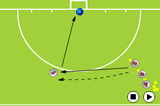
- Performing the reverse stick shot or 'tomohawk'
- The Grip: Move the stick 90 degrees from the standard strongside hitting position. This moves from hitting with the flat face to the blade of the stick.
- Players will naturally be more comfortable of a particular foot. Either foot is fine
- The position of the ball is key. If too far away, the ball will skew left. If too close, the ball will skew to the right. (approximately a stick length is good)
- Players should get low to promote the stick moving through the ball parallel to the ground
- If the ball is constantly coming off the ground, the movement should be slowed down, and emphasis put on making contact with the centre of the ball
- If players are struggling to direct the ball, have their stick point in the desired direction of travel on the follow through. This will decrease power but is useful for beginners
- Hitting the ball off the left will increase the space between the forward and the defender, giving that extra split second of time. The right foot will usually allow a greater control over balance

in more ways than one
 sportplan_netball



in more ways than one
sportplan_hockey

A few weeks into the league season, poor first touches are costing teams the ball. Coach body shape, scanning and receiving on the move to keep possession.

Pre-season fitness fades fast once the league starts. Build conditioning into ball work and use rolling subs well to keep your squad sharp all season.

The first weeks of the season decide whether a junior or new player sticks with adult hockey. Here is how to keep them safe, give them a clear job and build their confidence from the very first bully.