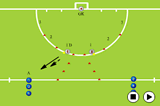
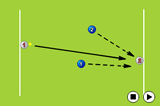
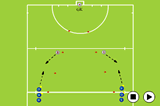
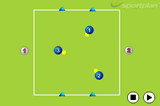
- Ball is fed into a forward on the half way line T- spot
- Two defenders
- One defender is set slightly ahead of the forward
- The second defender is on the half way line, and must run back to assist his team once the initial ball has been fed in
- The deeper defender should attempt to slow the forward down to allow the second defender to get back into a defensive position
- Effective body position should be utilised to channel the forward wide
- The defender should consider making the challenge outside of the 25. Not only does this give more time to get back into position if the ball is not taken, but removes the risk of a penalty corner being awarded
- Allow the feeder to join in with the attack, creating a 2 vs 2
- Both defenders must start in line with the forward

in more ways than one
 sportplan_netball



in more ways than one
sportplan_hockey

A few weeks into the league season, poor first touches are costing teams the ball. Coach body shape, scanning and receiving on the move to keep possession.

Pre-season fitness fades fast once the league starts. Build conditioning into ball work and use rolling subs well to keep your squad sharp all season.

The first weeks of the season decide whether a junior or new player sticks with adult hockey. Here is how to keep them safe, give them a clear job and build their confidence from the very first bully.