/* Font Definitions */@font-face {font-family:Times; panose-1:2 0 5 0 0 0 0 0 0 0; mso-font-charset:0; mso-generic-font-family:auto; mso-font-pitch:variable; mso-font-signature:3 0 0 0 1 0;}@font-face {font-family:"MS 明朝"; panose-1:0 0 0 0 0 0 0 0 0 0; mso-font-charset:128; mso-generic-font-family:roman; mso-font-format:other; mso-font-pitch:fixed; mso-font-signature:1 134676480 16 0 131072 0;}@font-face {font-family:"Cambria Math"; panose-1:2 4 5 3 5 4 6 3 2 4; mso-font-charset:0; mso-generic-font-family:auto; mso-font-pitch:variable; mso-font-signature:-536870145 1107305727 0 0 415 0;}@font-face {font-family:Cambria; panose-1:2 4 5 3 5 4 6 3 2 4; mso-font-charset:0; mso-generic-font-family:auto; mso-font-pitch:variable; mso-font-signature:-536870145 1073743103 0 0 415 0;} /* Style Definitions */p.MsoNormal, li.MsoNormal, div.MsoNormal {mso-style-unhide:no; mso-style-qformat:yes; mso-style-parent:""; margin:0cm; margin-bottom:.0001pt; mso-pagination:widow-orphan; font-size:12.0pt; font-family:Cambria; mso-ascii-font-family:Cambria; mso-ascii-theme-font:minor-latin; mso-fareast-font-family:"MS 明朝"; mso-fareast-theme-font:minor-fareast; mso-hansi-font-family:Cambria; mso-hansi-theme-font:minor-latin; mso-bidi-font-family:"Times New Roman"; mso-bidi-theme-font:minor-bidi; mso-ansi-language:EN-US;}p {mso-style-noshow:yes; mso-style-priority:99; mso-margin-top-alt:auto; margin-right:0cm; mso-margin-bottom-alt:auto; margin-left:0cm; mso-pagination:widow-orphan; font-size:10.0pt; font-family:Times; mso-fareast-font-family:"MS 明朝"; mso-fareast-theme-font:minor-fareast; mso-bidi-font-family:"Times New Roman";}.MsoChpDefault {mso-style-type:export-only; mso-default-props:yes; font-family:Cambria; mso-ascii-font-family:Cambria; mso-ascii-theme-font:minor-latin; mso-fareast-font-family:"MS 明朝"; mso-fareast-theme-font:minor-fareast; mso-hansi-font-family:Cambria; mso-hansi-theme-font:minor-latin; mso-bidi-font-family:"Times New Roman"; mso-bidi-theme-font:minor-bidi; mso-ansi-language:EN-US;}@page WordSection1 {size:612.0pt 792.0pt; margin:72.0pt 90.0pt 72.0pt 90.0pt; mso-header-margin:36.0pt; mso-footer-margin:36.0pt; mso-paper-source:0;}div.WordSection1 {page:WordSection1;}
1. Start by breaking it up over 3 Courts.
a. Court 1: Hitting out of 4.
b. Court 2: Hitting out of 3.
c. Court 3: Hitting out of 2.
2. Coach in red throws a free ball over.
3. Blue team calls 'Free'
4. Spikers grape vine back to the Spiking position turning in towards the centre of the court.
5. Passer calls 'Mine' and digs the ball up to the centre.
6. Setter runs in from position 1 and jump sets the second to the designated position.
7. Repeat 10 times for each Spiker and rotate.
Variation:
1. Once all participants have hit out of each position add two blockers.
2. Add a passer on the opposite side to pass the ball up from a Spike.
3. Play point out and the winning team wins a point. First to 10 wins.
4. Add a server and repeat with variation 3.
1.All players must call 'Free'.
2. Hitters must grape vine back into the Spiking position.
3. Passer must make contact with the ball by setting (when it is a free ball).
4. Setter must get second hit and jump set.
4. Blockers must line their inside arms with the hitting arm of the Spiker.
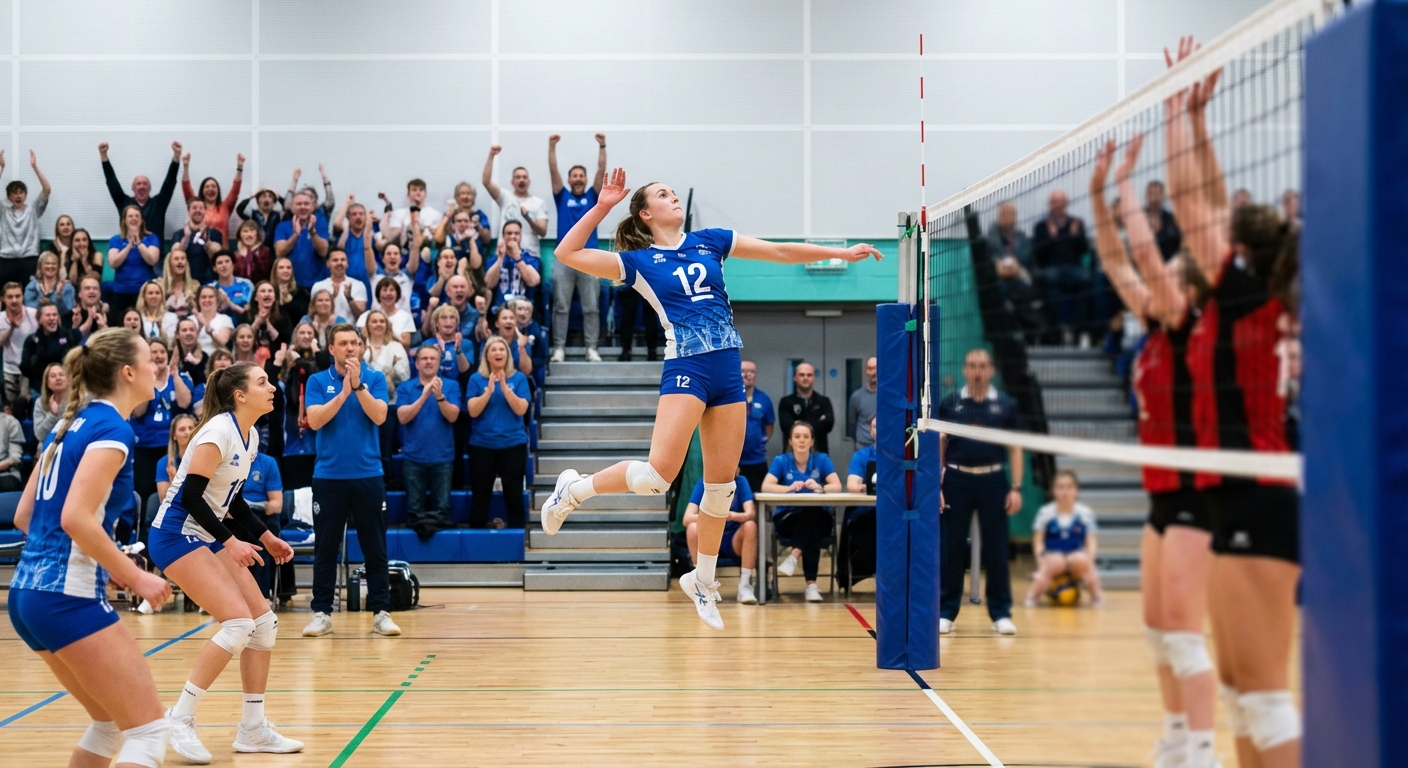
The back row attack adds a powerful offensive dimension that stretches the opposing block and creates scoring opportunities from unexpected positions. This guide covers the rules, approach footwork, setter-hitter timing, and progressive training methods for introducing back row attacks to developing teams.
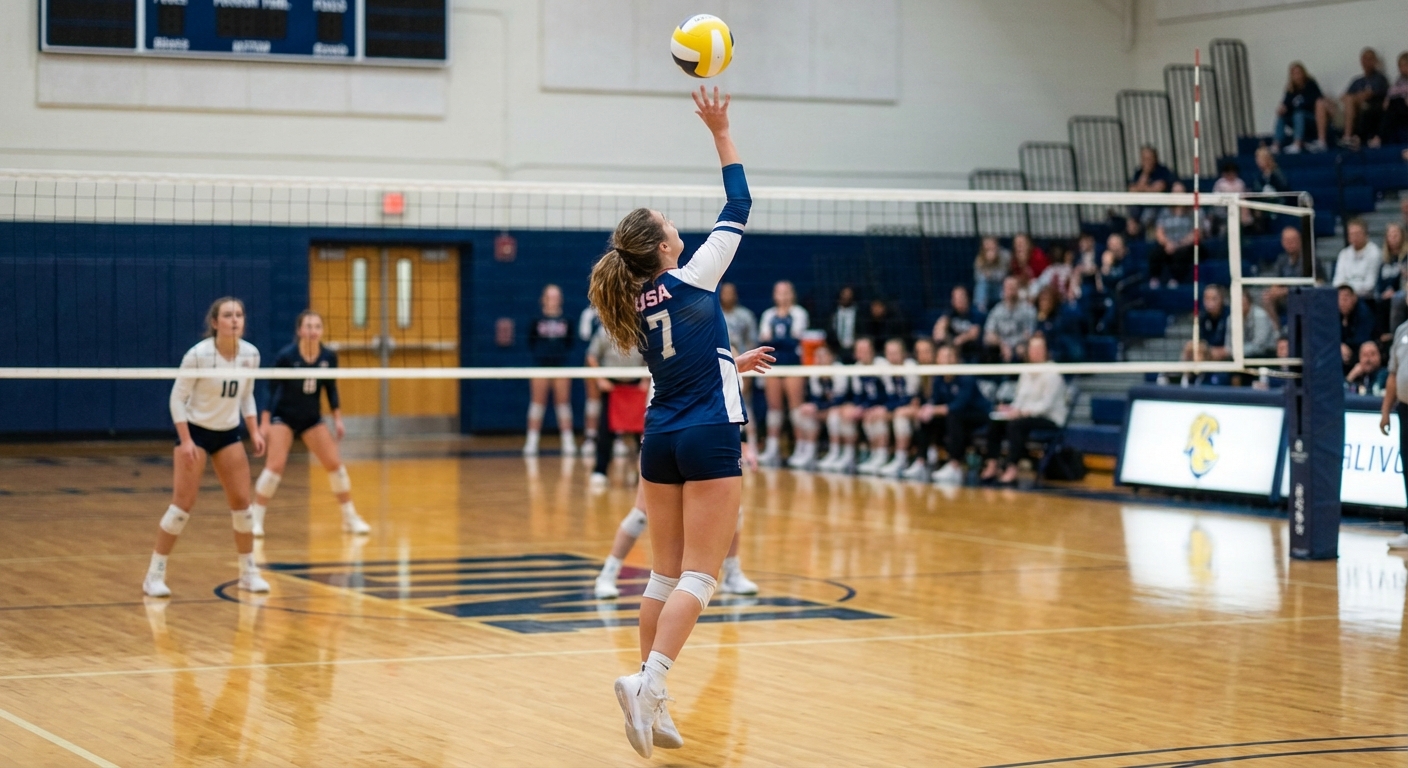
Choosing between a float serve and a jump serve is one of the most important tactical decisions in volleyball. This article examines the mechanics, strengths, and limitations of each serve type, and provides a framework for coaches to help players make the right serving decision in every match situation.
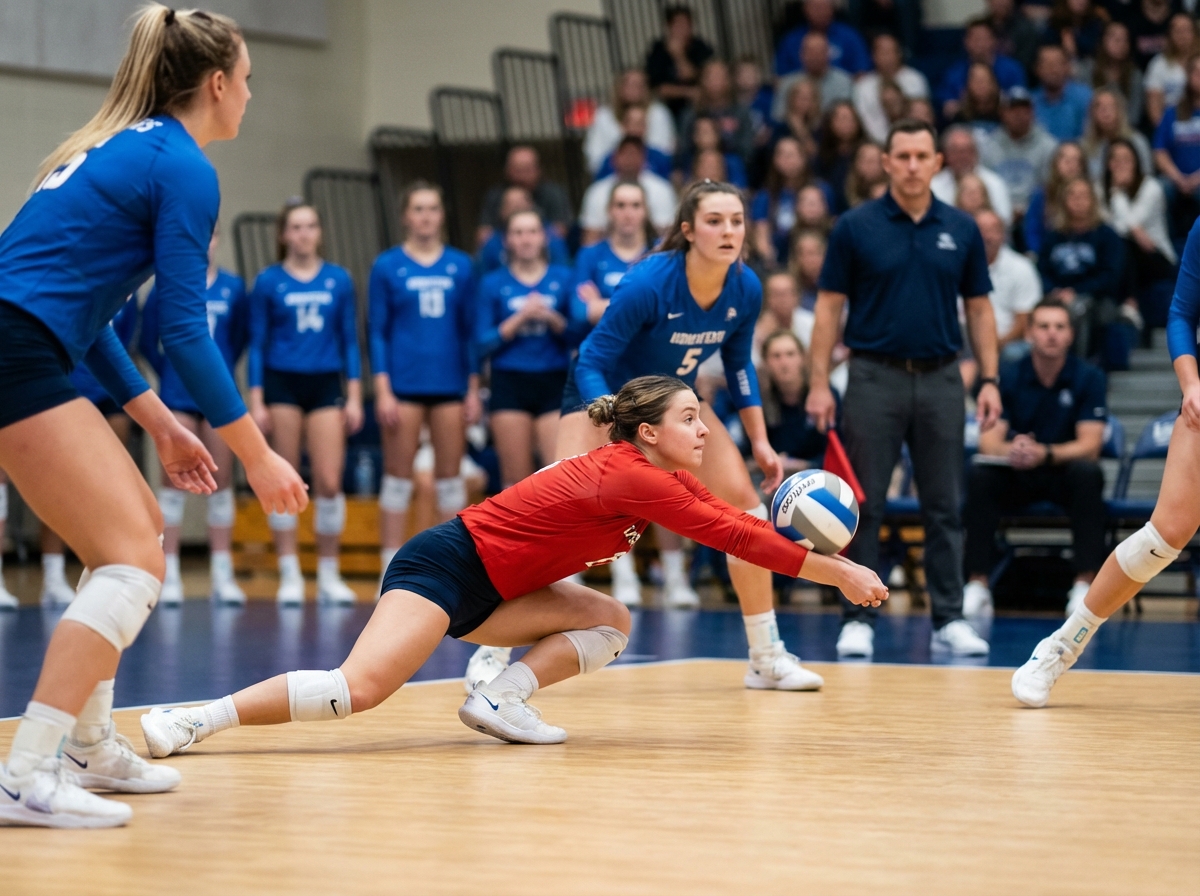
The libero position has never been more important. Here's how to develop elite defensive specialists who transform your team's back-court play.


Register for FREE and get coaching tips, top drills, session and more every week!