The race will work as follows:
1. Two teams will line up as shown in the diagram. The aim of the race is for a team to get all the balls from one end of the court back into their nest before the other team.
2. The coach will select a shot that the players must hit, such as a forehand or backhand.
3. The first player in line will race to a set of balls located just behind the service line on the other end of the court.
4. They will then take one of the balls and play a shot from the service line, hitting the shot back to the other end of the court towards their teammates. The ball must land in the service box on the other end of the court.
5. If it doesn’t the 2nd player in line must throw the ball back to the 1st player to try again, or if it goes into the net the 1st player must run, grab the ball and go back to the service line to hit it again.
6. If the 1st player hits the shot into the service box, then the 2nd player will collect the ball and take it back to the nest (which is a hula hoop in front of their team’s line – as shown in the diagram).
7. Then this process will repeat again, however it will be the 2nd player now running to the other side to hit a shot, and the 3rd player in line catching and collecting the ball to put back in the nest. The 1st player will during this time rejoin the back of the line.
8. The first team to get all their balls into their nest wins.
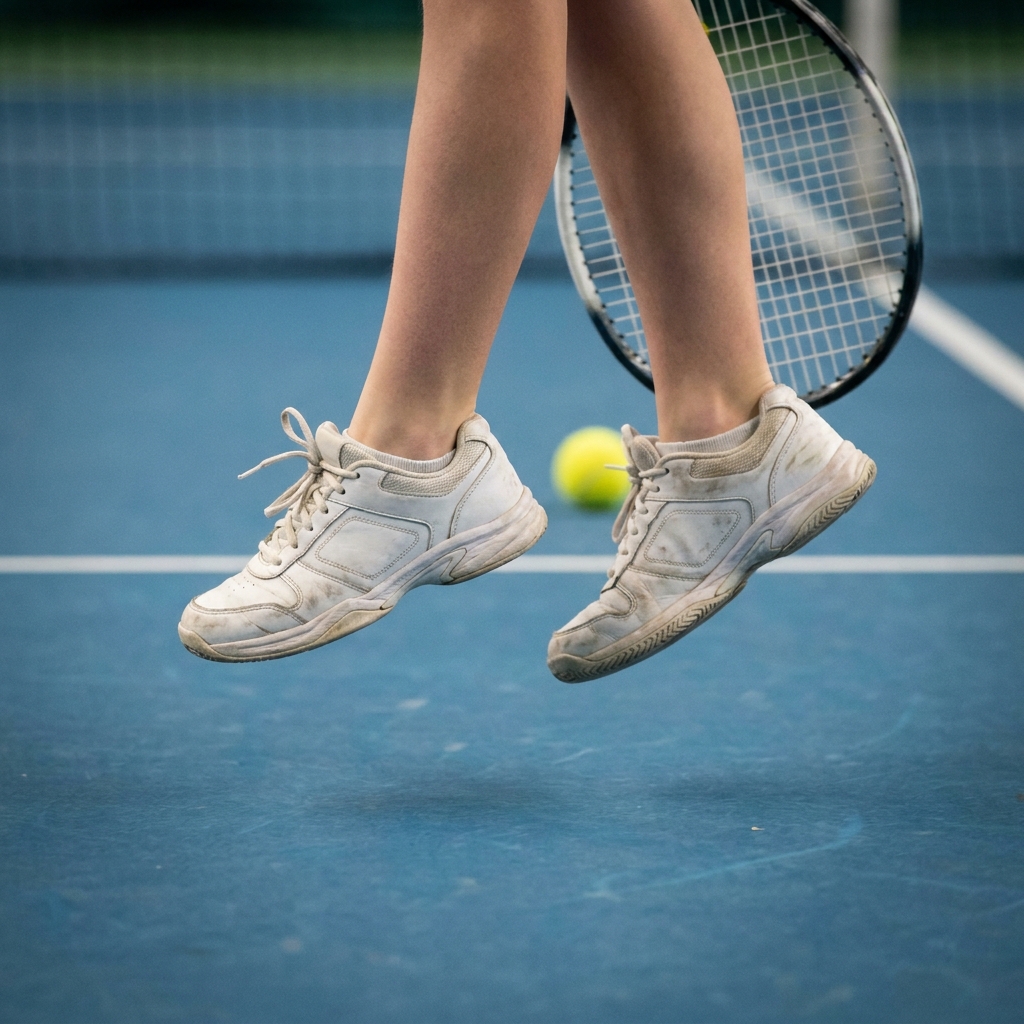
Indoor courts give players less time and less room. Help them sharpen their split step, shorten their swing and stay calm, and winter becomes a season of real progress.

A tiebreak is a short sprint where every point is worth the same as a break of serve. The players who win them are rarely the ones who hit hardest. Here is how to coach the patterns, habits and scoreboard thinking that win the big points.
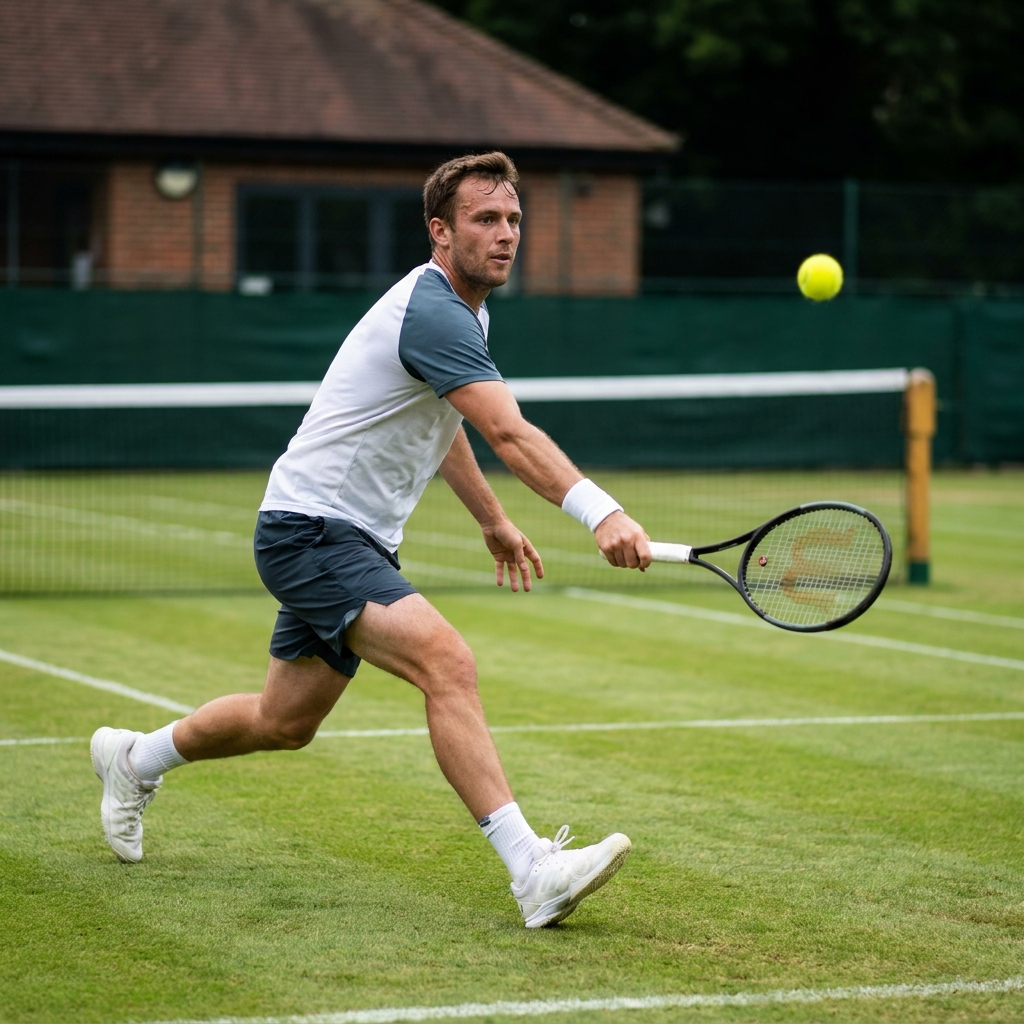
Most club players practise the serve on its own and then have no idea what to do with the ball that comes back. Serve plus one is the pattern that turns a good serve into a won point.


Register for FREE and get coaching tips, top drills, session and more every week!