

A. Attacker starts just in front of a defender (attacker always on dugout side). They attempt to run the ball to the opposite end of the channel. Go again back the other way with same pair (attackers still on dugout side) then swap (after 2 attempts).
B.
In groups of 2 or 3. Attacker starts 2 metres in front of defender. 3rd player plays the ball into space - attacker must run to the ball and play it back to the 3rd player.
A.
Attackers: recognise when to drive, when to cut inside or when to hold and roll. Change of pace.
Defenders: force the opponant to slow down. Channel into sidelines. Jab tackle without stick-tackle!
B.
Attackers: have an idea of how you are going to change direction before you approach the ball. Where is the defender? Use your "back space".
If you get stuck, how do you shield the ball and throw the defender to create space?
Defenders: Get there quickly but don't sell yourself by diving in. Put yourself in a low, dynamic body position so you can react quickly and stay balanced.

in more ways than one
 sportplan_netball



in more ways than one
sportplan_hockey

The Netherlands made history at Paris 2024 with the first-ever golden sweep. Here's what coaches at every level can learn from their dominance.
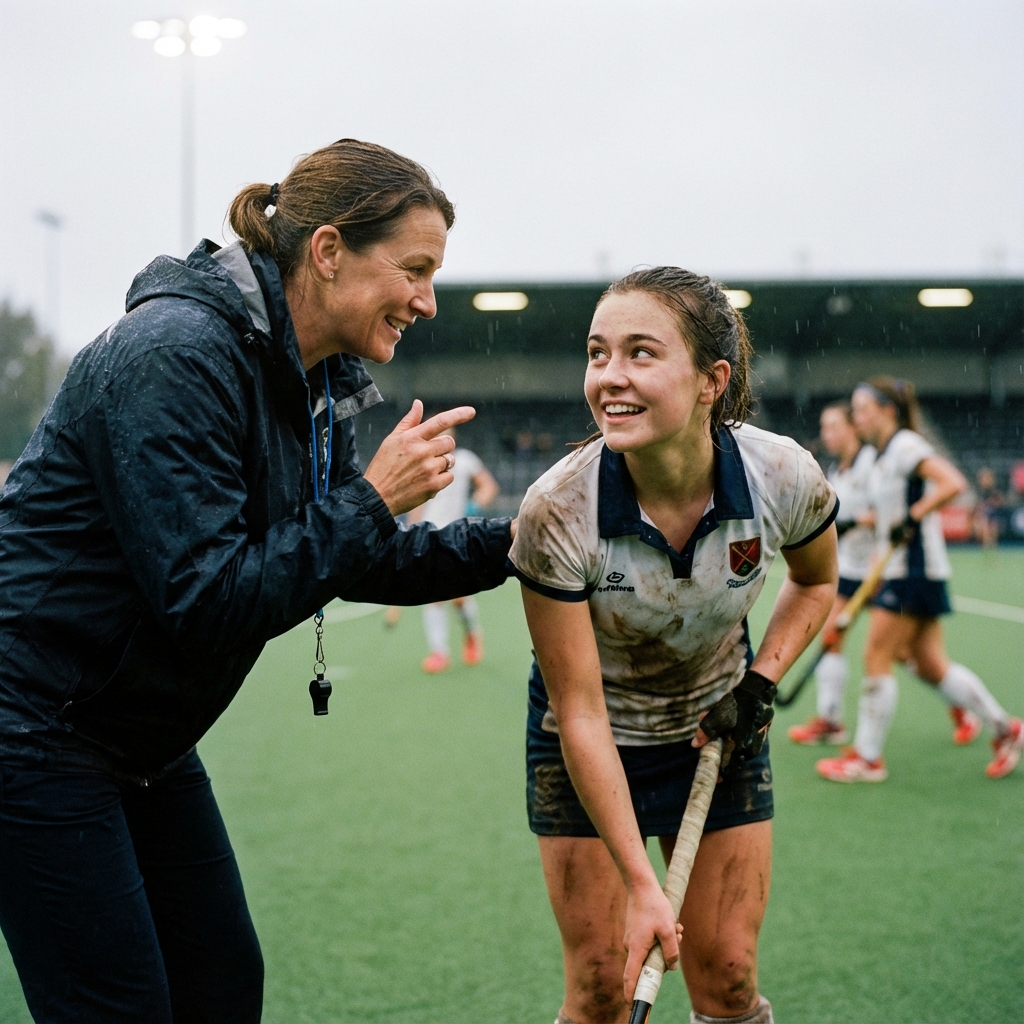
The best coaches build more than skills - they build connections. Learn how trust-based relationships transform team performance.
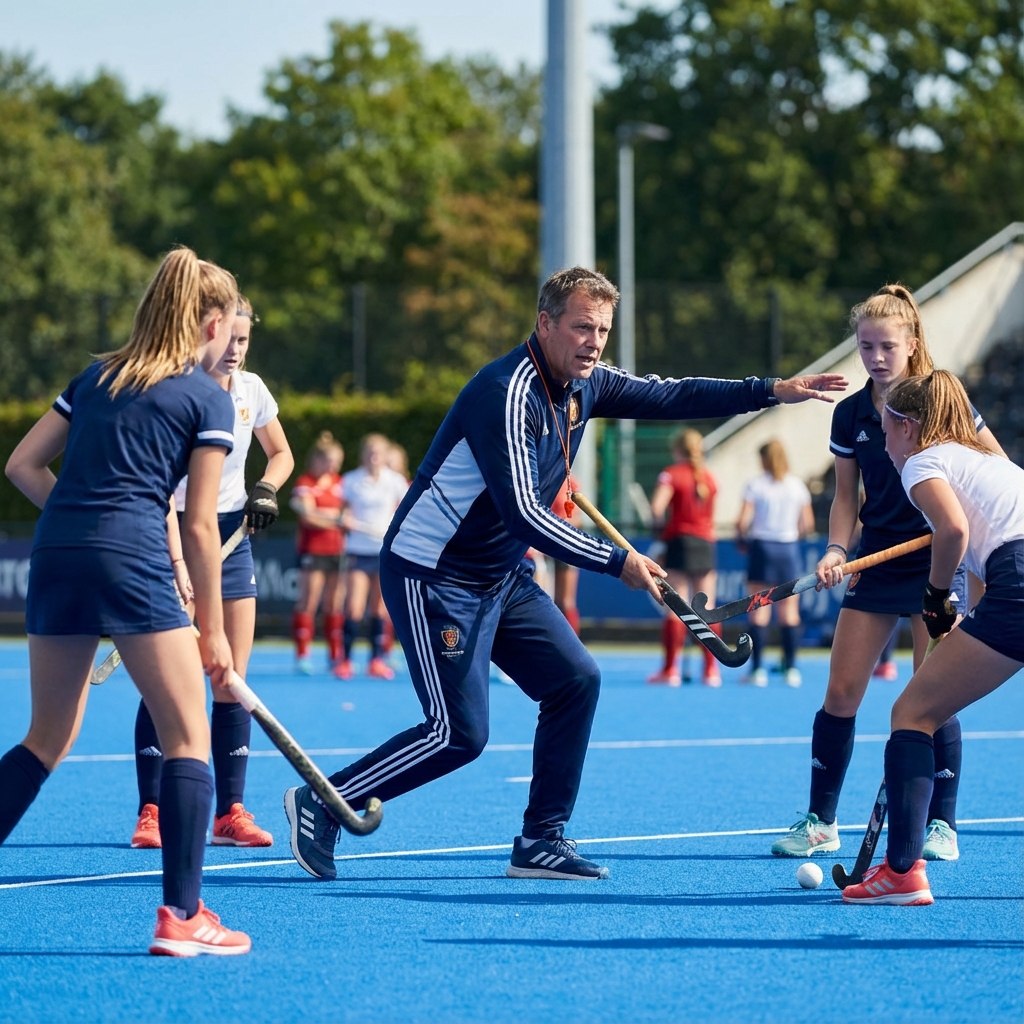
England Hockey's coaching roadshow is bringing practical, engaging session ideas to clubs nationwide. Here's what coaches are learning.









