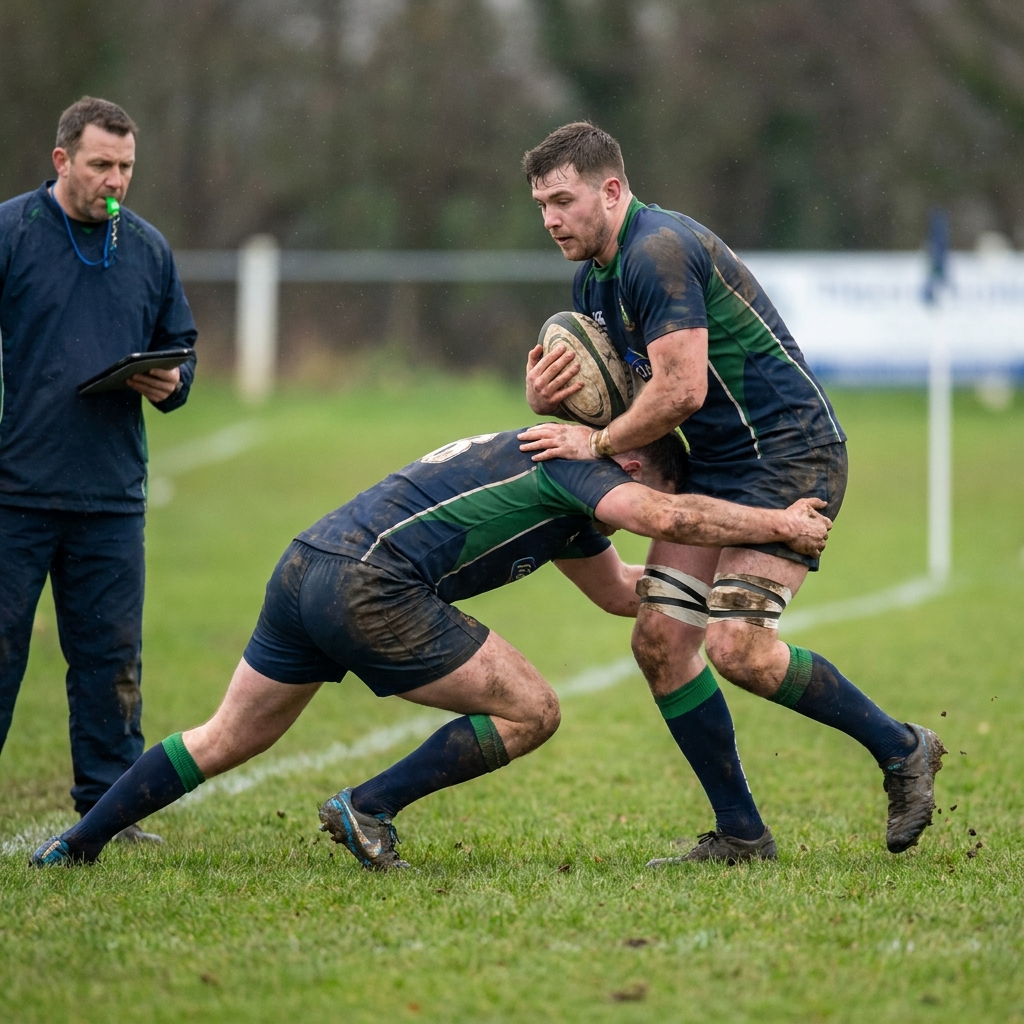
my youth teams are seriously creative in attack but they lack ability to penetrate. how do i help them?
I coach both males and females. In training they seem to get it however in games they tend to pass the ball from side to side but they seldom go forward. They play pretty rugby with switches, loops and miss ones.

Rugby CoachCoach
ANSWERS
Rugby CoachCoach
Hi John. Do they lack confidence taking contact?

Simon JonesCoach, England
John
Here is a simple drill (see answer posted below!) that may help you get your players to penetrate. I agree with Dennis that confidence may be part of the problem and so if you use this practise and others like it and encourage breaking the defensive line it may help in games.
I would also encourgae playing small sided gmes in training so players get used to game situations as much as possible!
I hope this helps you
Simon


 sportplan_rugby