







TRANSFORM YOUR TEAM'S SEASON WITH PROFESSIONALLY PLANNED SESSIONS
Use our expert plans or build your own using our library of over 700+ drills, and easy-to-use tools.
JOIN NOWexplan about diving

Hi Rehema,
In hockey, diving is often used by players to deflect the ball or by goalkeepers to make saves. Here are some insights from the drill library on diving techniques:
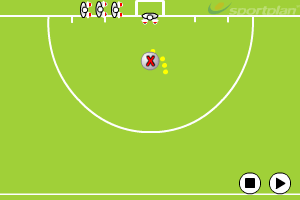
Forehand Deflection: This involves diving to score a goal by deflecting the ball on the open side. It requires confidence and practice to get comfortable with timing the dive.
Diving Technique for Goalkeepers: Goalkeepers often practice diving to save the ball. It's crucial that their hips are the first part of the body to touch the pitch, and they should maintain a balanced position to allow for secondary saves.
Diving Technique - Haunches: Goalkeepers start in a squat position and dive across to make a save. This technique emphasizes landing on the elbow and maintaining a barrier with the legs.
These techniques are essential for both scoring and defending in field hockey. If you want more detailed drills or session plans, feel free to ask!
I hope this helps,
Cam

in more ways than one
 sportplan_hockey



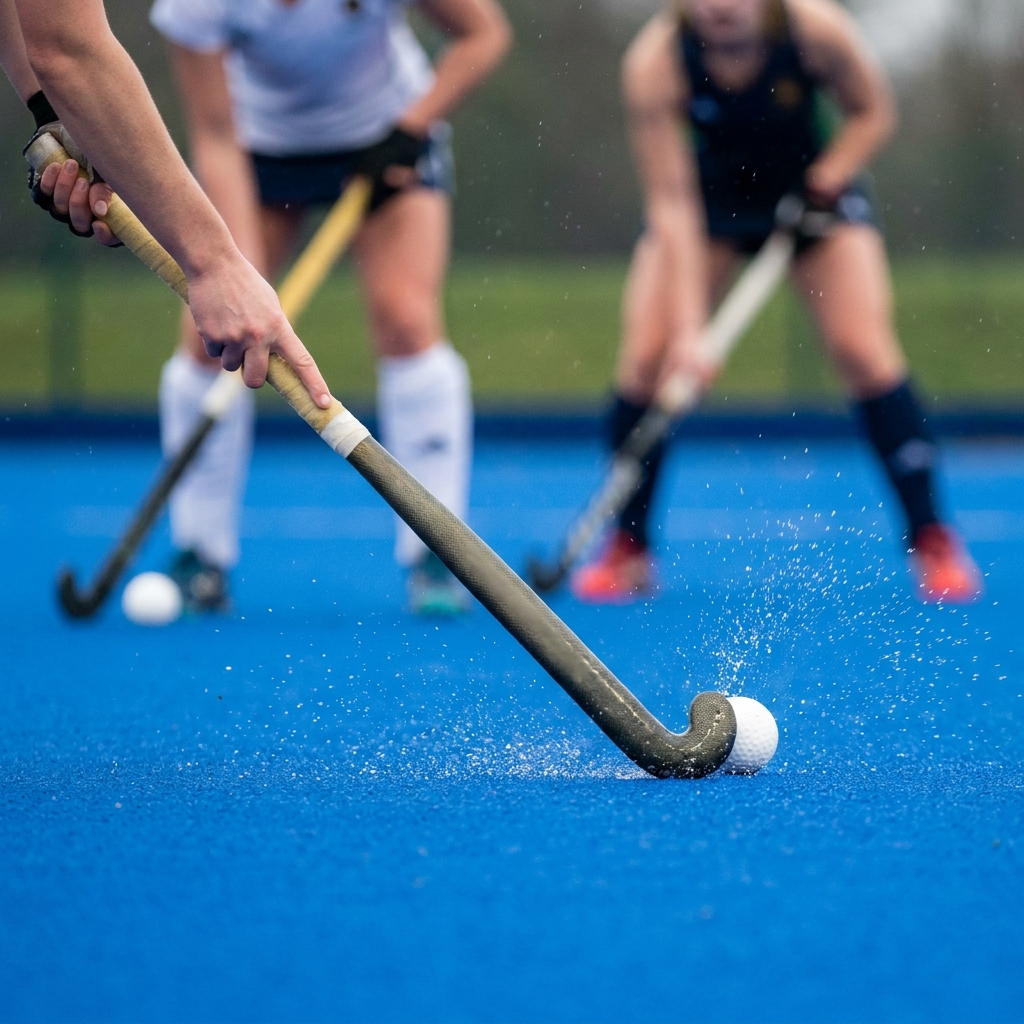
A few weeks into the league season, poor first touches are costing teams the ball. Coach body shape, scanning and receiving on the move to keep possession.
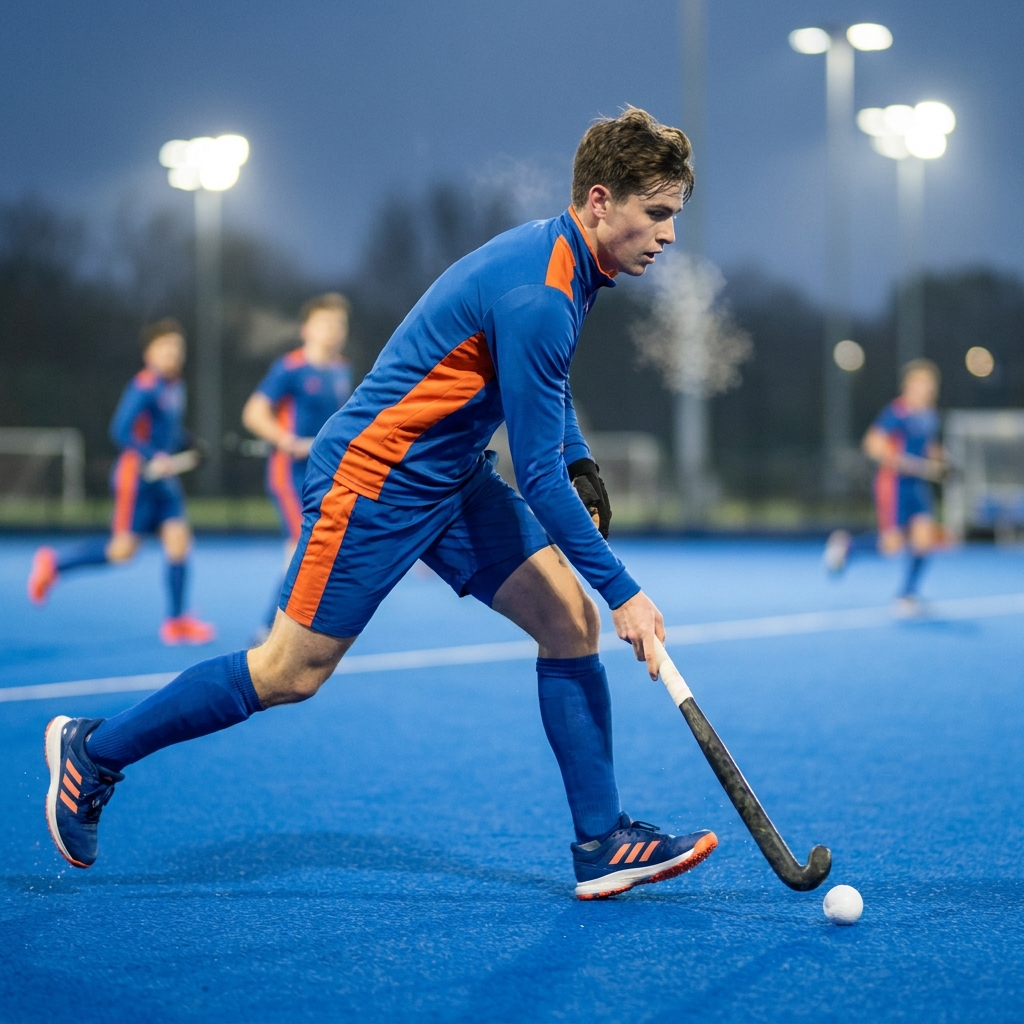
Pre-season fitness fades fast once the league starts. Build conditioning into ball work and use rolling subs well to keep your squad sharp all season.

The first weeks of the season decide whether a junior or new player sticks with adult hockey. Here is how to keep them safe, give them a clear job and build their confidence from the very first bully.
Use our expert plans or build your own using our library of over 700+ drills, and easy-to-use tools.
JOIN NOW



