







TRANSFORM YOUR TEAM'S SEASON WITH PROFESSIONALLY PLANNED SESSIONS
Use our expert plans or build your own using our library of over 700+ drills, and easy-to-use tools.
JOIN NOWI've got a team of year 5 and 6s getting together and i want to know what a good drill to use to see who is going to be defenders and attackers


Hi Jack,
I think at that age you can manipulate any skill that is on offer to every position e.g. someone offering a big hit could play at the back to help move the ball forward quickly or play as a forward to smash the ball past the keeper.
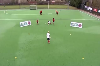
I think a handy drill could be a gauntlet exercise (see below). Maybe start this as a 2 vs 1, and then progress to 1 vs 1. Players that can move the ball more naturally around a defender may be more attacking inclined, while players confident in making a challenge and showing strong footwork may be more defensive.
Let me know your thoughts on the above,
Josh
Thanks Josh
That drill/s looks very good i will use that drill in our next practice
Thanks jack

in more ways than one
 sportplan_hockey




A few weeks into the league season, poor first touches are costing teams the ball. Coach body shape, scanning and receiving on the move to keep possession.

Pre-season fitness fades fast once the league starts. Build conditioning into ball work and use rolling subs well to keep your squad sharp all season.

The first weeks of the season decide whether a junior or new player sticks with adult hockey. Here is how to keep them safe, give them a clear job and build their confidence from the very first bully.
Use our expert plans or build your own using our library of over 700+ drills, and easy-to-use tools.
JOIN NOW



