







TRANSFORM YOUR TEAM'S SEASON WITH PROFESSIONALLY PLANNED SESSIONS
Use our expert plans or build your own using our library of over 700+ drills, and easy-to-use tools.
JOIN NOWHi,I coach a university team that has a group of mixed abilities, ranging good players with some previous hockey experience to some who are starting from the basics. We've managed to polish on basics and now the team is able to play together. They move the ball well around the pitch using the wider areas, good defence and tackles, but the big problem is creating scoring opportunities. Without goals we can't win matches... The best is draws which we get most times. I was wondering if anyone could share a small sided game or drill that could help create the attack mindset so my team can have that hunger for goas and go for it.


Hi Ian,
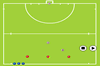
I would suggest attacking overload drills are good to improve attacking ability as a team and being clinical in the final third - for example 3 v 2's or 4 v 3's. Here's a good example drill attached. These drills will get your players thinking about how they can break down a defence.
Tom

in more ways than one
 sportplan_hockey




A few weeks into the league season, poor first touches are costing teams the ball. Coach body shape, scanning and receiving on the move to keep possession.

Pre-season fitness fades fast once the league starts. Build conditioning into ball work and use rolling subs well to keep your squad sharp all season.

The first weeks of the season decide whether a junior or new player sticks with adult hockey. Here is how to keep them safe, give them a clear job and build their confidence from the very first bully.
Use our expert plans or build your own using our library of over 700+ drills, and easy-to-use tools.
JOIN NOW



