







TRANSFORM YOUR TEAM'S SEASON WITH PROFESSIONALLY PLANNED SESSIONS
Use our expert plans or build your own using our library of over 700+ drills, and easy-to-use tools.
JOIN NOWneed some help with preparing a lesson plan for an assessment


Hi coach, what are you being assessed on, what age group are you coaching, what ability level are your players?
The more information you can provide the better the responses you will receive.
Age 9/10 years delivering a drill progression and into match play
Just concerned with the feeback Q and A at the end of the lesson
What would I have to include in the plan which I may forget?
Well if it's the Q&A which is something you're unsure about I would remember to ask and not tell. Try to elicit answers from your players about such as:
Also worth bearing in mind you may need progressions which make the practices easier as well as harder so you can cater for both less and more advanced players.
Good luck!
Creating 2 v1 in left midfield to attack top of âDâ - age group U 14

are you meaningq&a with your players or your assessor?

in more ways than one
 sportplan_hockey



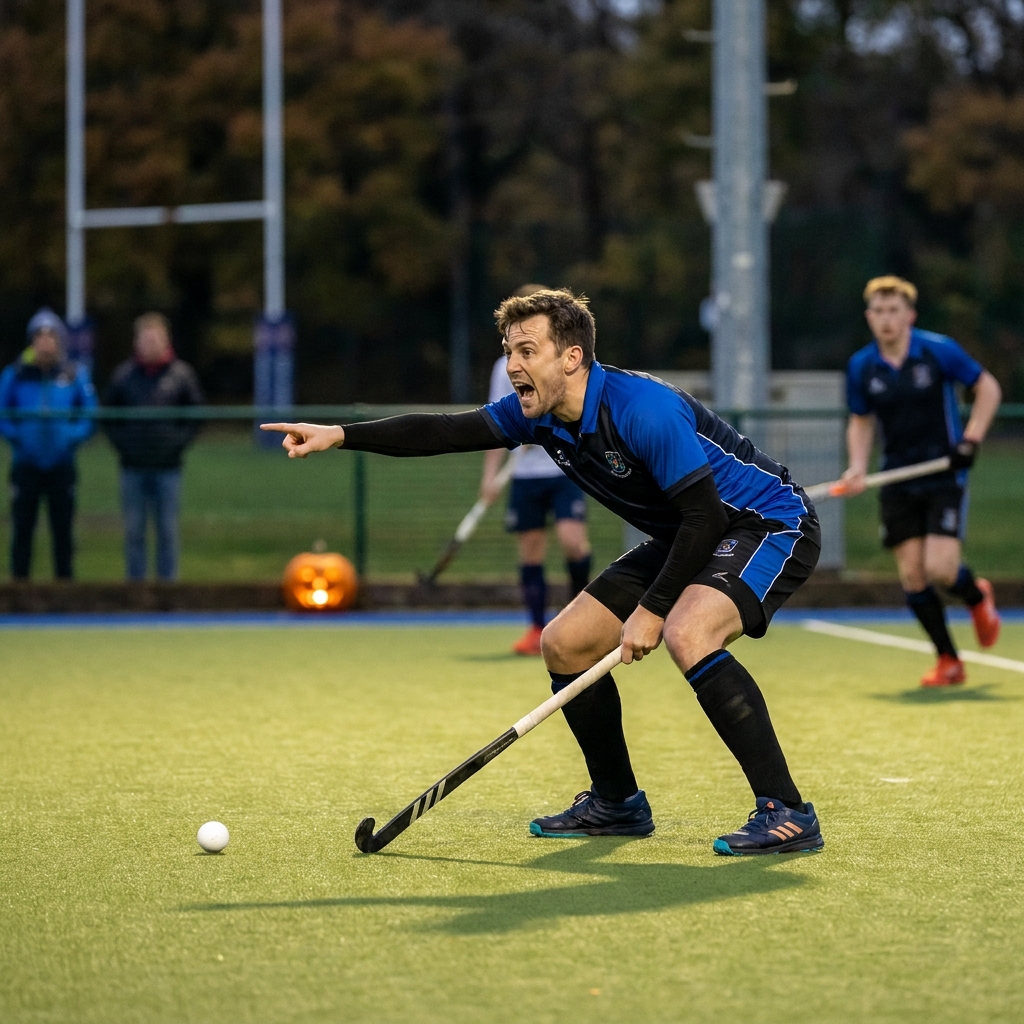
Two defenders chase the ball, nobody covers the runner, and a soft goal goes in. Here is the five-step treat for the mix-up haunting hockey defences this October.

A few weeks into the league season, poor first touches are costing teams the ball. Coach body shape, scanning and receiving on the move to keep possession.

Pre-season fitness fades fast once the league starts. Build conditioning into ball work and use rolling subs well to keep your squad sharp all season.
Use our expert plans or build your own using our library of over 700+ drills, and easy-to-use tools.
JOIN NOW



