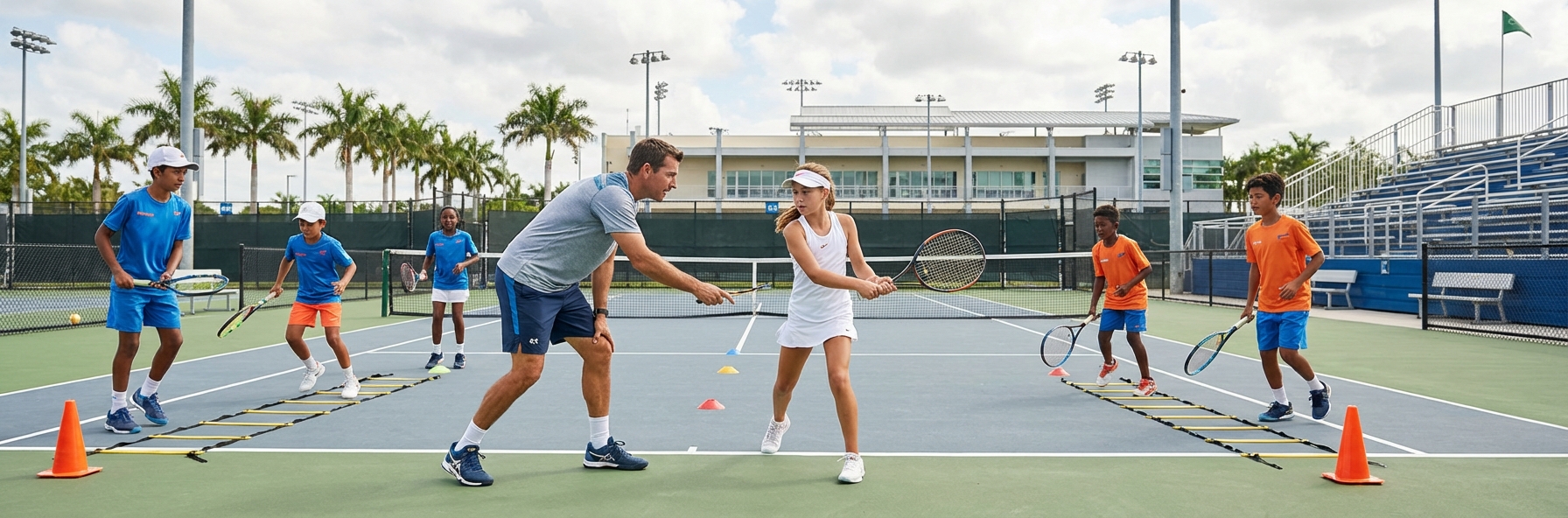
The traditional model of early specialisation in tennis is giving way to a more holistic approach. Research consistently shows that multi-sport athletes develop better, stay healthier, and often outperform early specialisers in the long run.
Building complete players means developing physical literacy, technical breadth, tactical understanding, and mental skills - not just grinding baseline rallies.
Long-Term Athlete Development
LTAD principles guide modern youth development:
FUNdamentals (6-9 years): Focus on basic movement skills, coordination, and fun. Tennis-specific training should be minimal and playful.
Learning to Train (9-12 years): Prime skill acquisition window. Develop broad technical foundation while maintaining variety and play.
Training to Train (12-16 years): Build aerobic base, sport-specific skills, and introduce more structured competition.
Training to Compete (16-18 years): Specialisation appropriate. Competition experience and performance-focused training.
Rushing these stages leads to burnout, injury, and stunted development.
Physical Literacy First
Before tennis-specific skills, children need fundamental movement competency:
Running, jumping, throwing: Basic athletic movements that transfer to tennis and prevent imbalanced development.
Balance and coordination: Core to all athletic performance. Developed through varied activities, not just tennis.
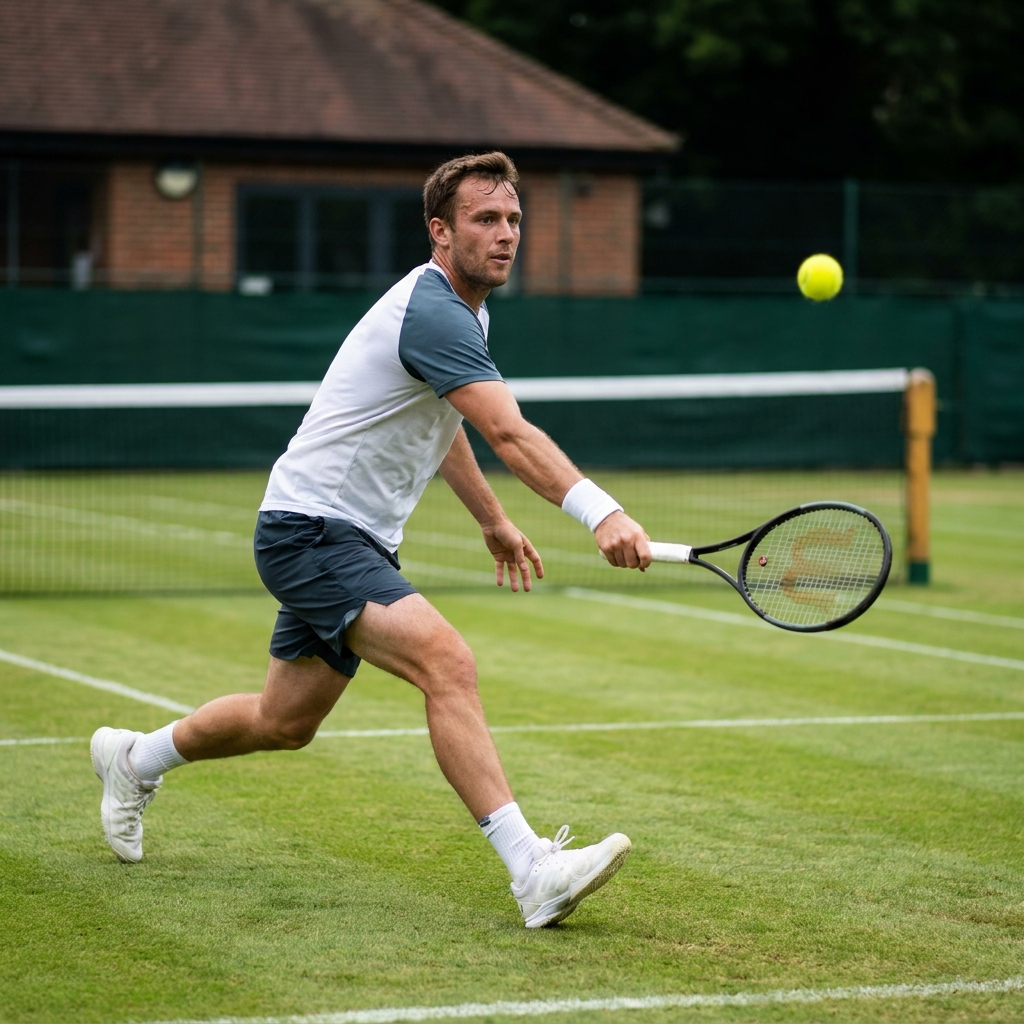
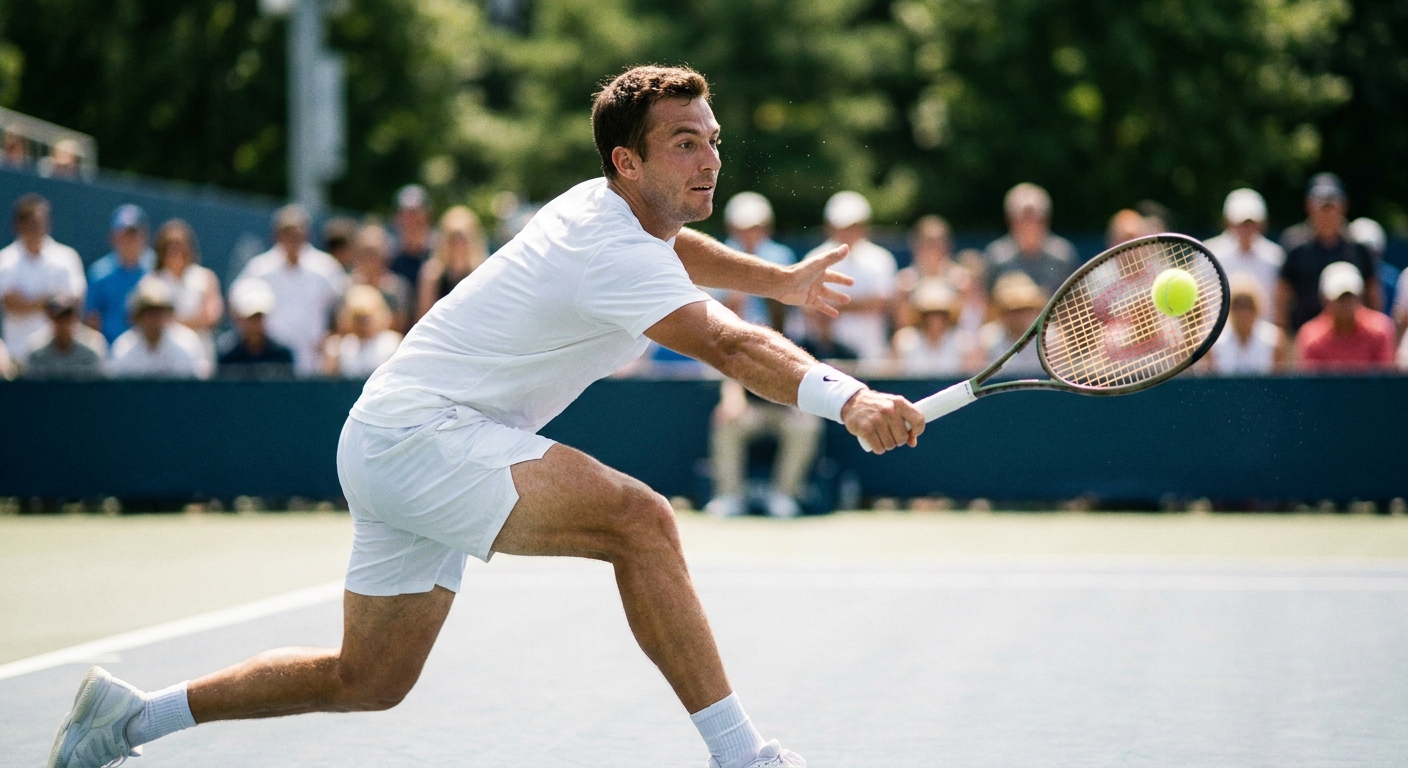
Agility and change of direction: Critical for tennis but best developed through games and multi-sport participation.
Body awareness: Understanding how their body moves in space. Crucial for technique development.
Technical Development
Building complete players technically:
All strokes: Resist the temptation to build around one dominant shot. Develop serve, return, forehand, backhand, volley, and overhead from early stages.
Both hands: Encourage two-handed backhands for most juniors, but develop touch and feel with both hands.
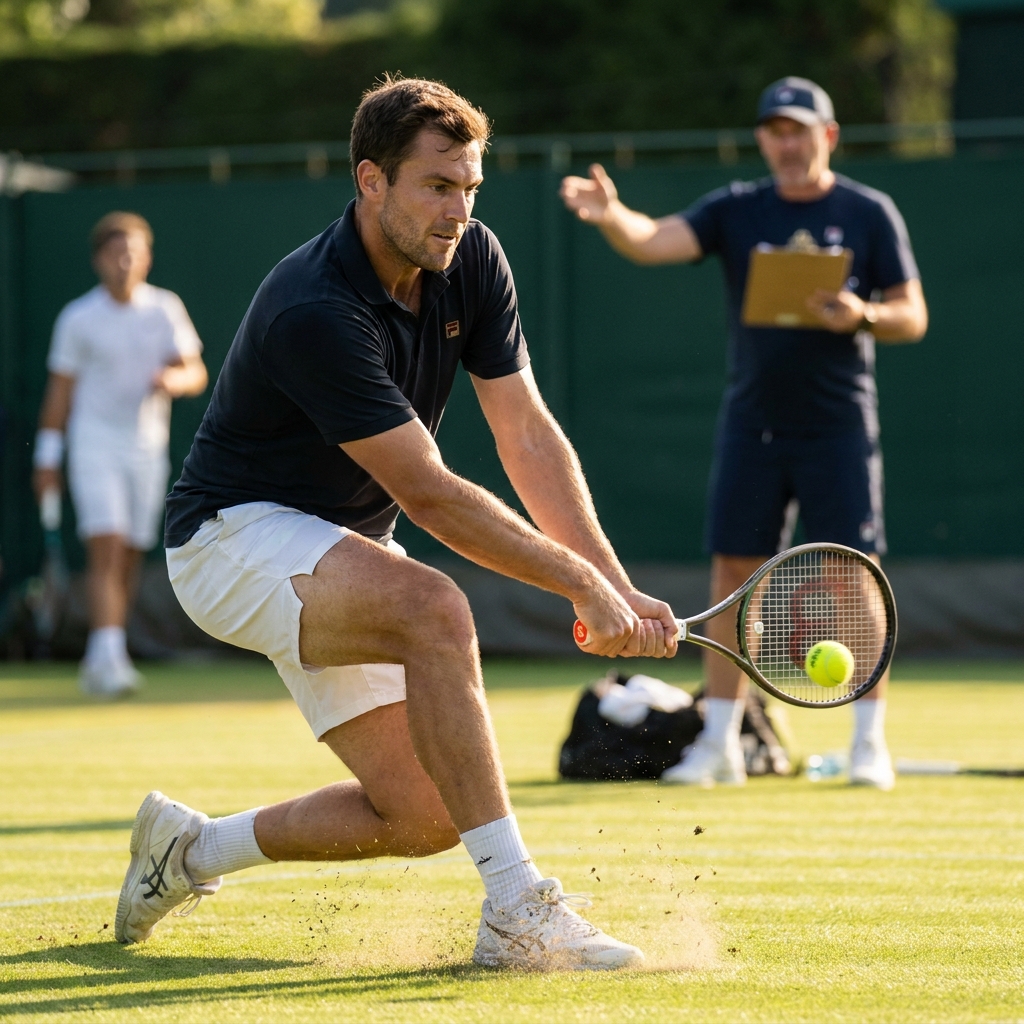
Variety: Slice, topspin, flat balls. Different grips and positions. Technical breadth enables tactical options later.
Adaptability: Players should be comfortable on all surfaces and in all conditions.
Tactical Awareness
Juniors need to understand the game, not just hit balls:
Court geometry: Where angles come from, why depth matters, how positioning creates opportunities.
Pattern recognition: Build-up patterns, approach patterns, defensive recovery.
Opponent reading: Watching the opponent, not just the ball. Anticipation based on cues.
Match play: Regular competitive play, even informal, develops game understanding that drills cannot replicate.
Mental Skills
Mental development is often neglected in junior programmes:
Focus training: Age-appropriate focus exercises and games.
Emotional management: Helping young players handle frustration and disappointment.
Resilience: Learning to bounce back from bad points, games, and matches.
Enjoyment: Above all, maintaining love for the game. Burned-out juniors rarely become successful seniors.
Practice Design
How training is structured matters as much as what is practiced:
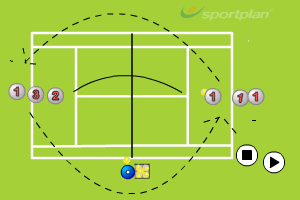
Games-based approach: Learn through playing, not just drilling. Modified games that develop specific skills.
Varied practice: Block practice (repeating one skill) has its place, but random practice (mixing skills) transfers better to match play.
Challenge level: Training should be challenging but achievable. Too easy is boring; too hard is discouraging.
Recovery: Growing bodies need rest. More is not always better.
The Parent Role
Parents significantly impact junior development:
Support, don't coach: Leave technique to the coaches. Provide emotional support and logistical help.
Process focus: Praise effort and improvement, not just results.
Perspective: Junior results don't predict adult success. Keep long-term development in view.
Other activities: Encourage multi-sport participation and non-tennis interests.
Key Coaching Points
- Follow LTAD stages - don't rush specialisation
- Physical literacy comes before tennis-specific skills
- Develop all shots and tactical awareness, not just one dominant weapon
- Mental skills need explicit training from young ages
- Maintain enjoyment - burned-out juniors don't become successful seniors