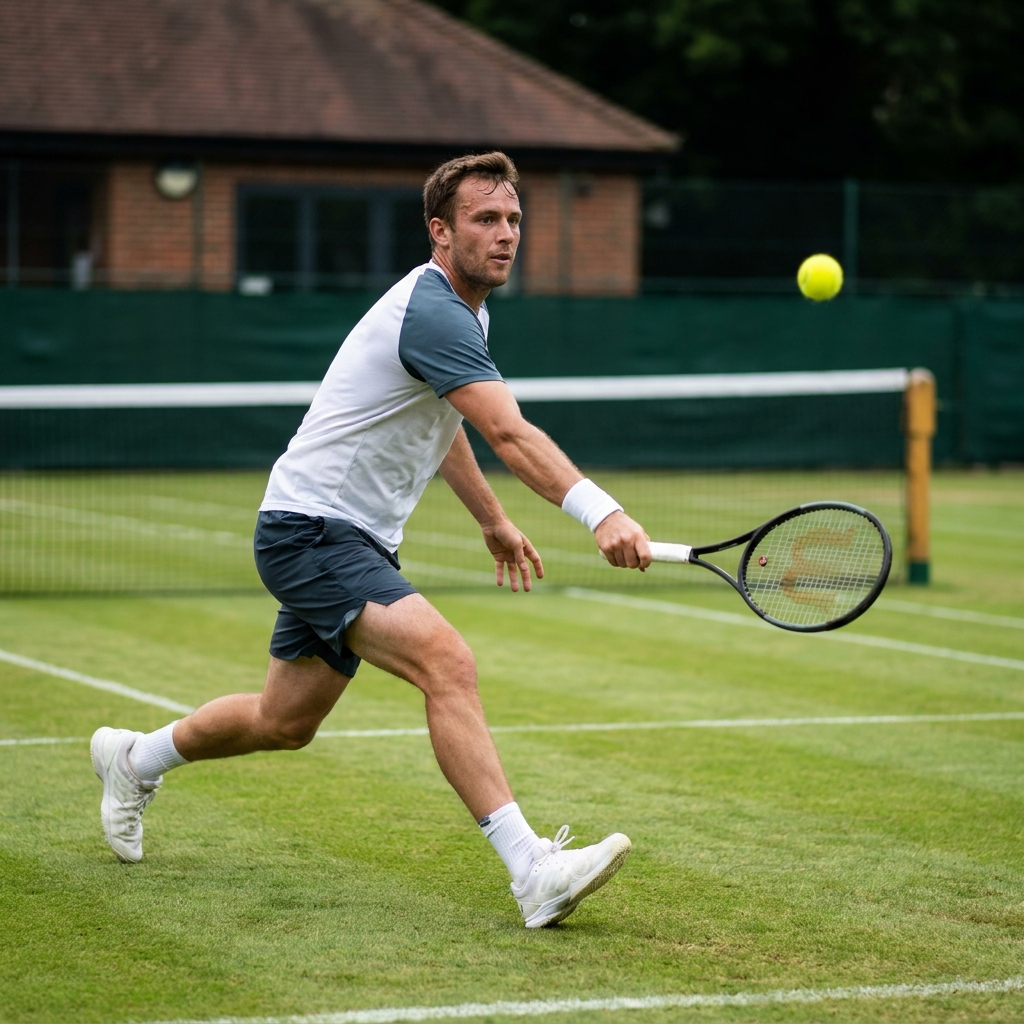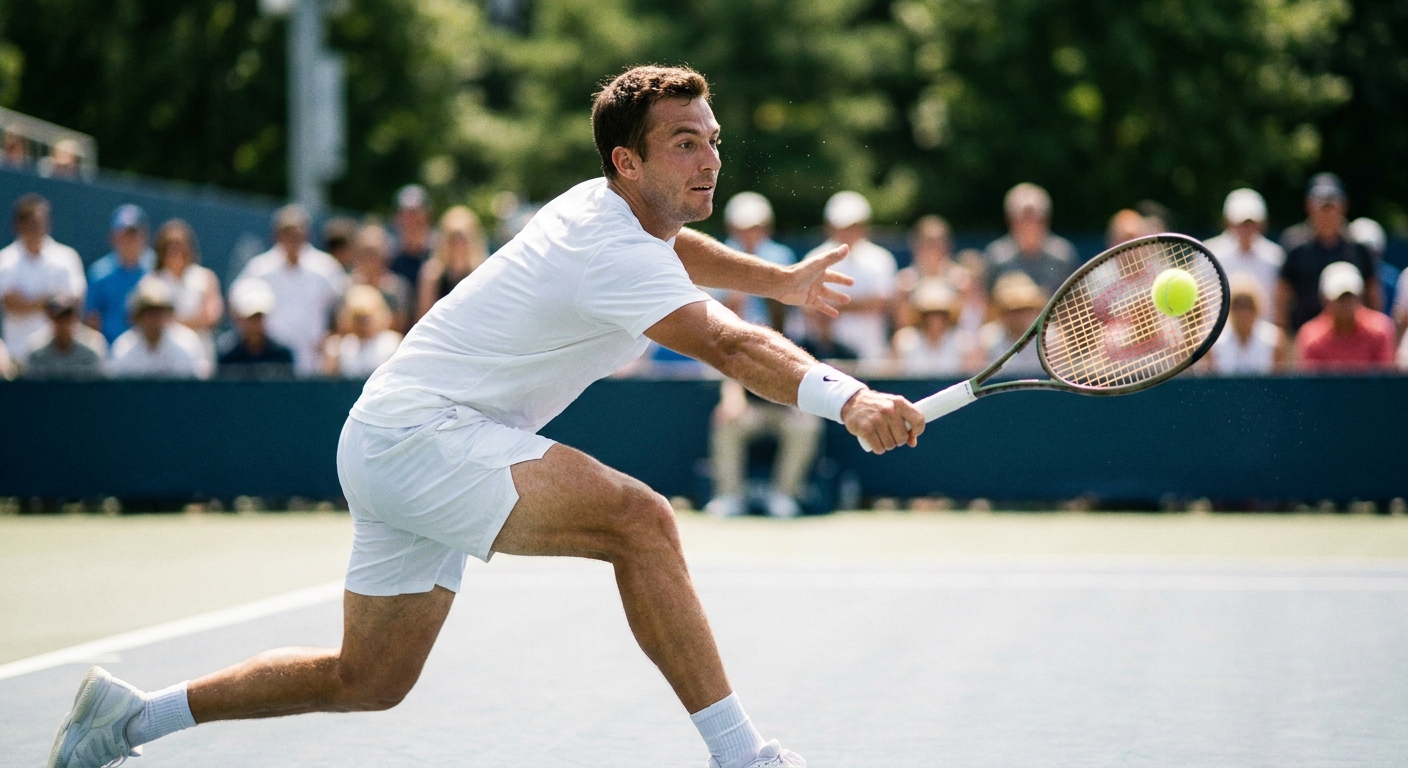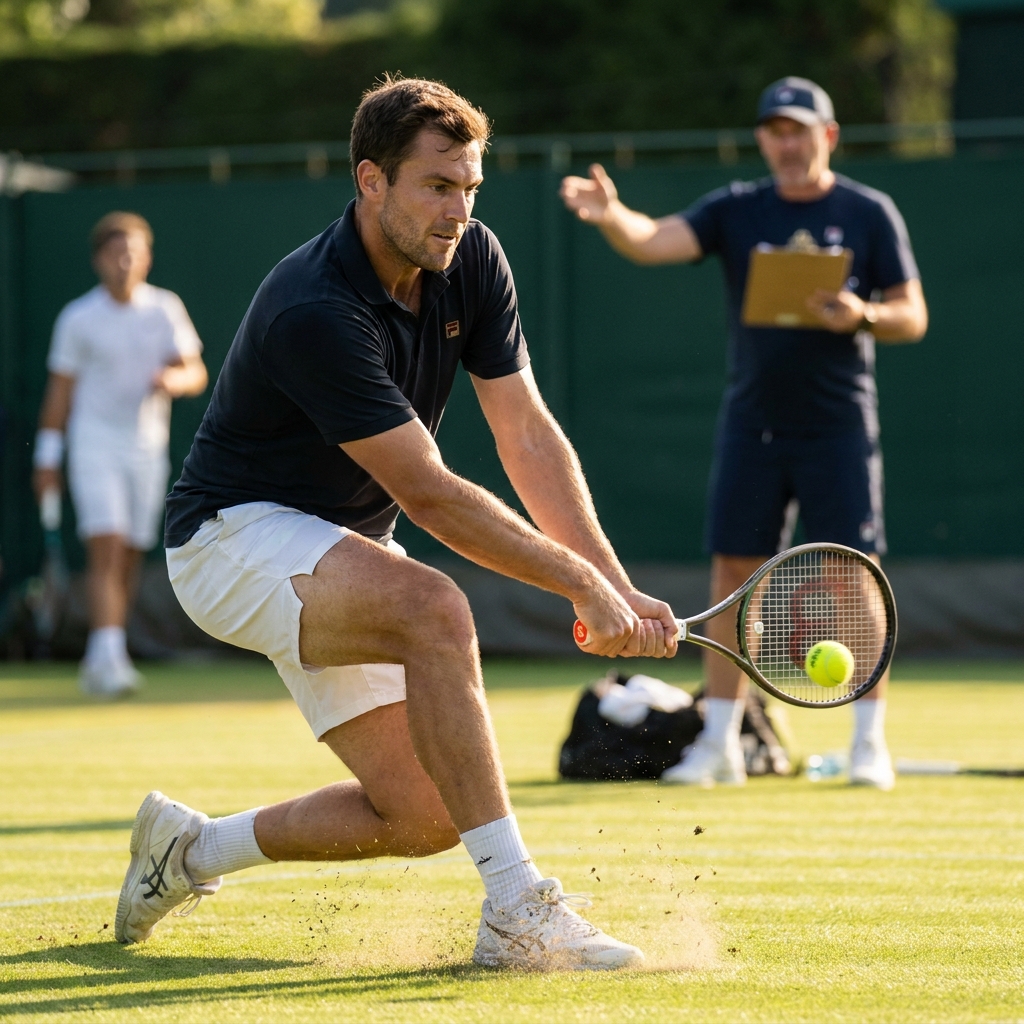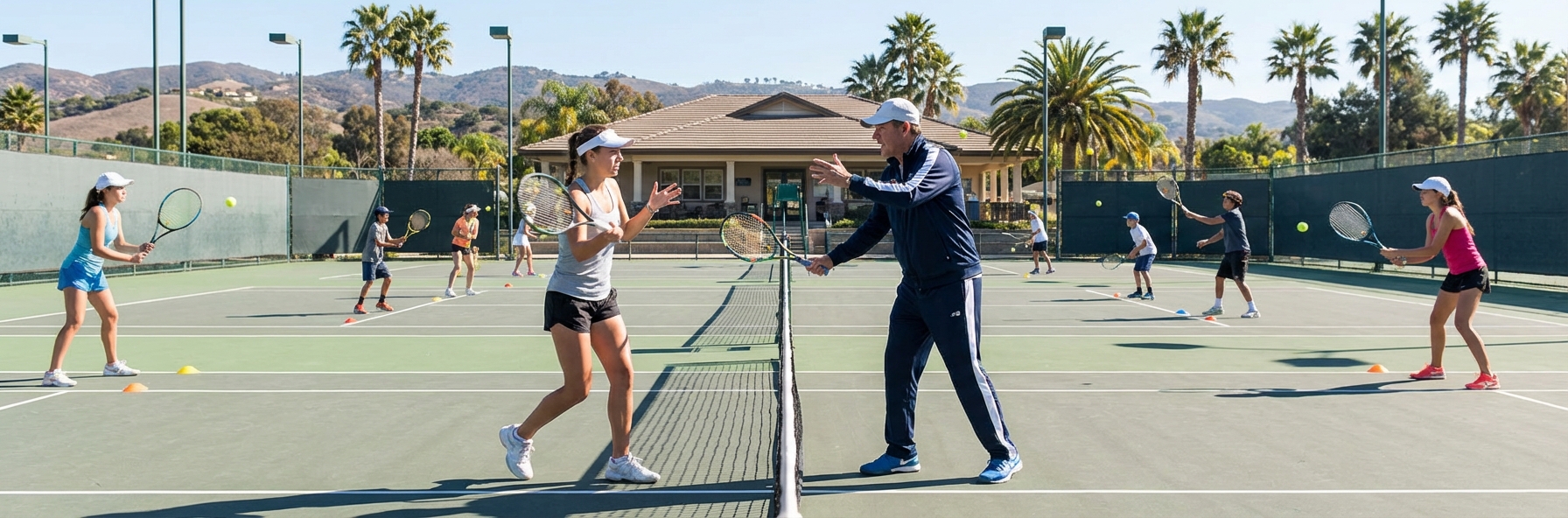
The forehand has transformed more than any other shot in tennis. What was once a simple, relatively flat stroke has become a high-spin, high-power weapon that defines playing styles and determines match outcomes.
Understanding this evolution helps coaches develop forehands suited to modern tennis demands.
The Technical Evolution
Several key changes define the modern forehand:
Grip changes: The shift from Eastern to semi-Western and Western grips has been fundamental. These grips naturally produce more topspin and allow players to handle high balls more effectively.
Open stance: The traditional closed stance has largely given way to open and semi-open stances. These positions allow faster recovery and more rotation through the shot.
Increased rotation: Modern forehands incorporate more hip and shoulder rotation. The non-hitting arm plays a crucial role in creating this rotation.
Windshield wiper finish: The follow-through has evolved from across the body to a windshield wiper motion that brushes up and over the ball, generating heavy topspin.
The Topspin Revolution
Topspin has fundamentally changed what's possible:
Safety margin: Heavy topspin balls clear the net by a larger margin while still dropping into the court. This allows players to swing harder with less risk.
Ball trajectory: The arcing flight path creates challenging bounces, especially on clay courts where the ball kicks up after landing.
Pace control: Topspin provides control even at high racket speeds. Players can swing aggressively while maintaining consistency.
Nadal's forehand exemplifies this - generating over 3,000 RPM of spin while still hitting with significant pace. This combination was unimaginable a generation ago.
Building the Foundation
Developing a modern forehand starts with fundamentals:
Grip selection: For most players, a semi-Western grip offers the best balance of topspin potential and versatility. Extreme Western grips can create problems on low balls.
Unit turn: The preparation begins with the whole body turning together. The racket should travel back with the body rotation, not through arm action alone.
Loading the legs: Power comes from the ground up. Players should load into the outside leg during preparation, then drive up through the shot.
Contact point: Slightly in front of the body and to the side. Modern grips require a lower contact point than Eastern grips - players must get down to the ball.
Shot Selection and Patterns
The forehand's dominance creates tactical options:
Inside-out forehand: Running around the backhand to hit a forehand from the middle of the court. Creates angles and establishes court position.
Inside-in forehand: Running around the backhand to hit down the line. High-risk but devastating when executed.
Forehand redirect: Taking the pace off an opponent's shot and changing direction. Requires excellent timing and racket head control.
Heavy rally ball: High topspin, deep landing, pushing opponents behind the baseline. The foundation of baseline dominance.
Common Errors and Corrections
Arm-dominated swing: When rotation stops and the arm takes over, consistency suffers. Focus on core rotation driving the arm.
Late contact: Modern grips are less forgiving of late contact. Emphasise early preparation and moving forward into the ball.
Standing up through contact: Players should maintain a stable base and low center of gravity through contact. Rising too early loses power.
Over-rotation: Excessive follow-through rotation can pull the ball wide. The finish should be controlled, not wild.
Practice Priorities
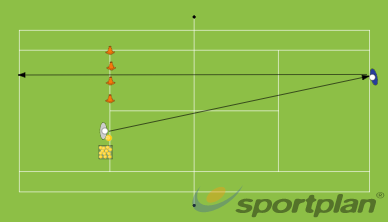
Rally consistency: Before adding power, establish consistent depth. 50 balls in a row crosscourt at good depth.
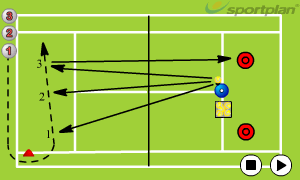
Targeted accuracy: Set up targets and track percentages. Move from larger zones to smaller targets over time.
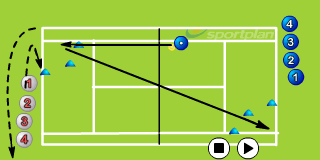
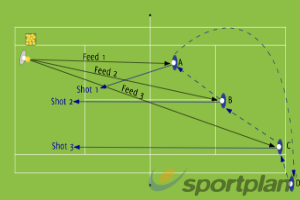
Movement patterns: The forehand is rarely hit from a static position. Practice with realistic court coverage.
Situation-specific: Practice the inside-out forehand, running forehands, and defensive retrievals separately.
Key Coaching Points
- Modern forehand technique prioritises rotation and topspin over flat power
- Grip selection influences everything - semi-Western suits most players
- Power comes from the ground up through the kinetic chain
- Practice patterns and situations, not just the stroke in isolation
- Consistency first, then add power and variations