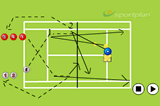
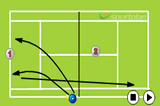
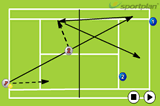
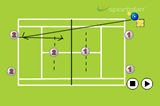
Players line up in two lines half way down the court.
The coach feeds the ball short over the net for a player to run diagonally across the court to play the ball down the line.
Once players have had their shot they join the back of the other line and the drill continues.
This practice is perfect for keeping large groups moving and working on the passing shot technique.
Add targets for players to hit using cones in the far corners. Players keep scores of how many times they hit these areas.
Who has the top score after 10 shots?
Alternatively add a player on the same side of the net as the coach. This player stands behind the coach. When the coach feeds the ball over the net the extra player chooses to approach the net - either left of right. The player who received the feed must now try to return the ball into space (not where the extra player has moved to).
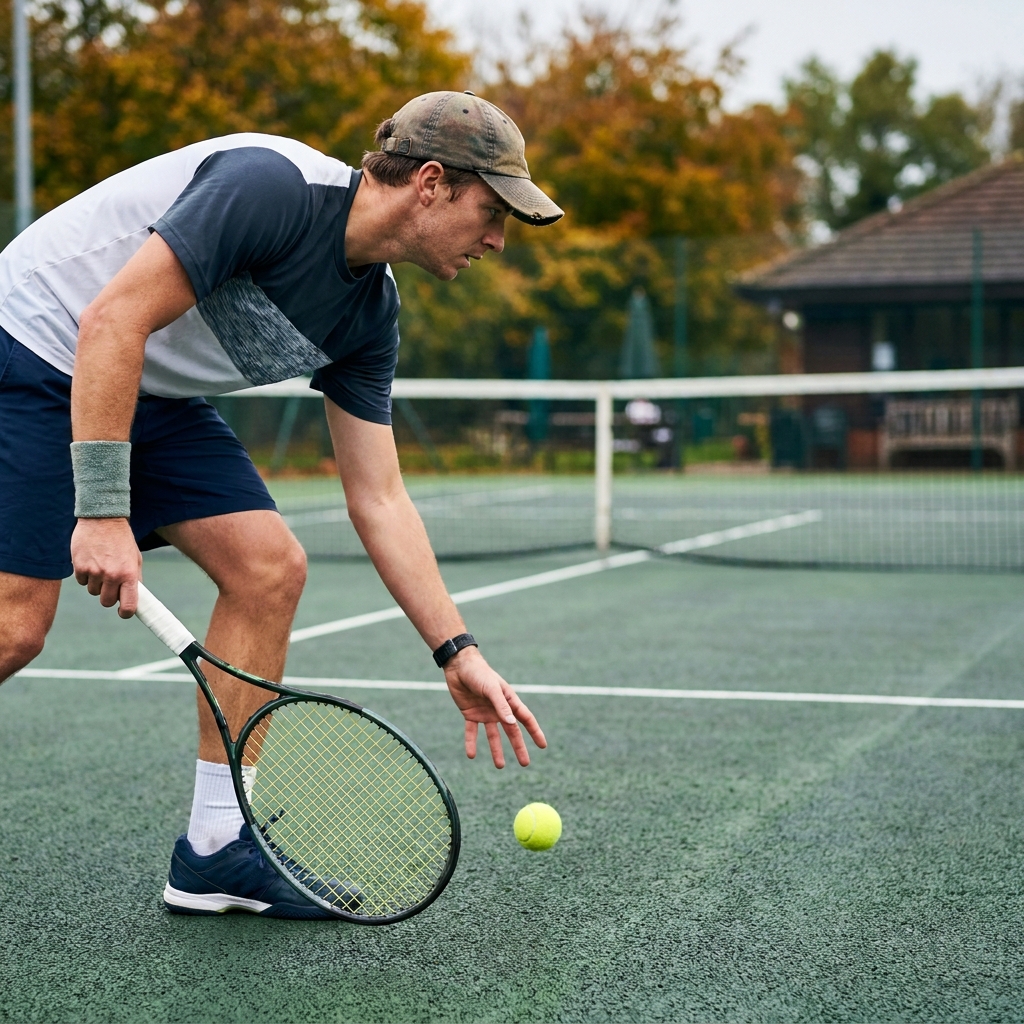
A tiebreak is a short sprint where every point is worth the same as a break of serve. The players who win them are rarely the ones who hit hardest. Here is how to coach the patterns, habits and scoreboard thinking that win the big points.
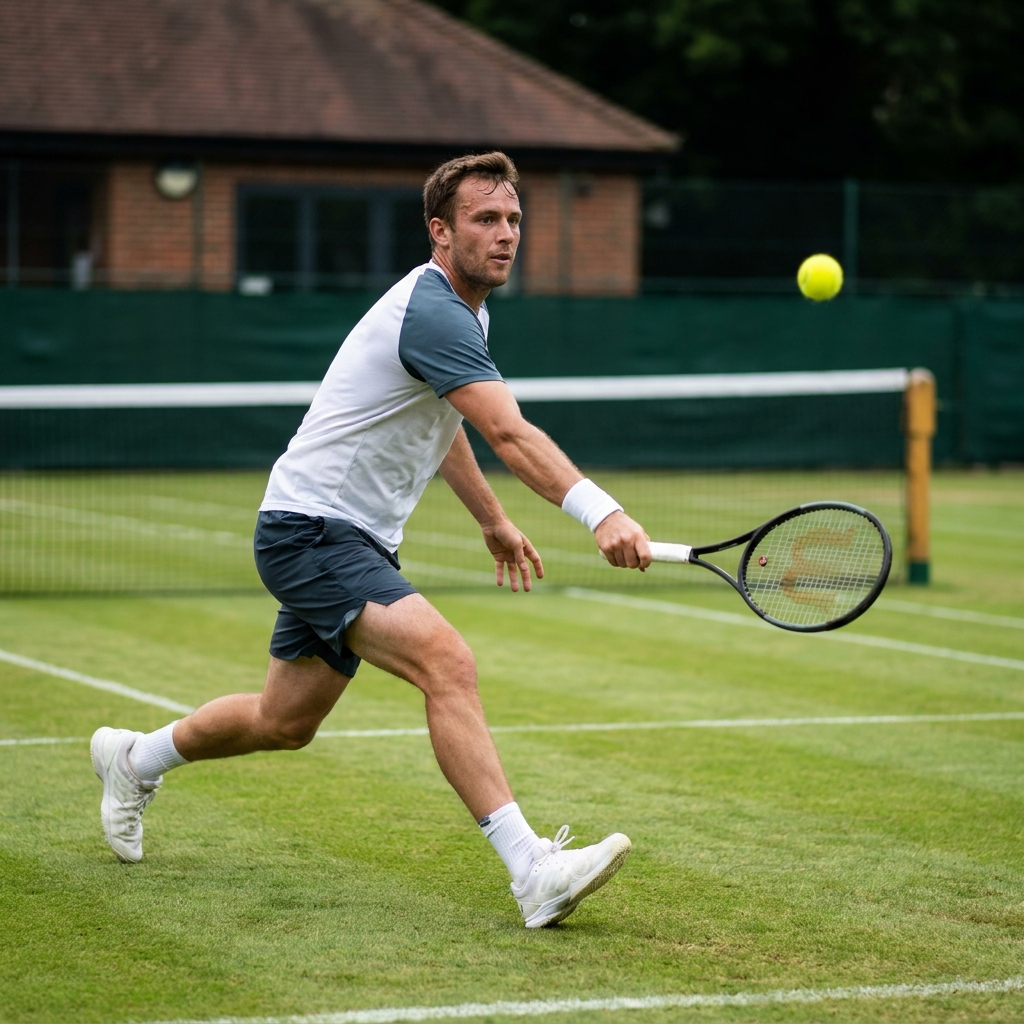
Most club players practise the serve on its own and then have no idea what to do with the ball that comes back. Serve plus one is the pattern that turns a good serve into a won point.
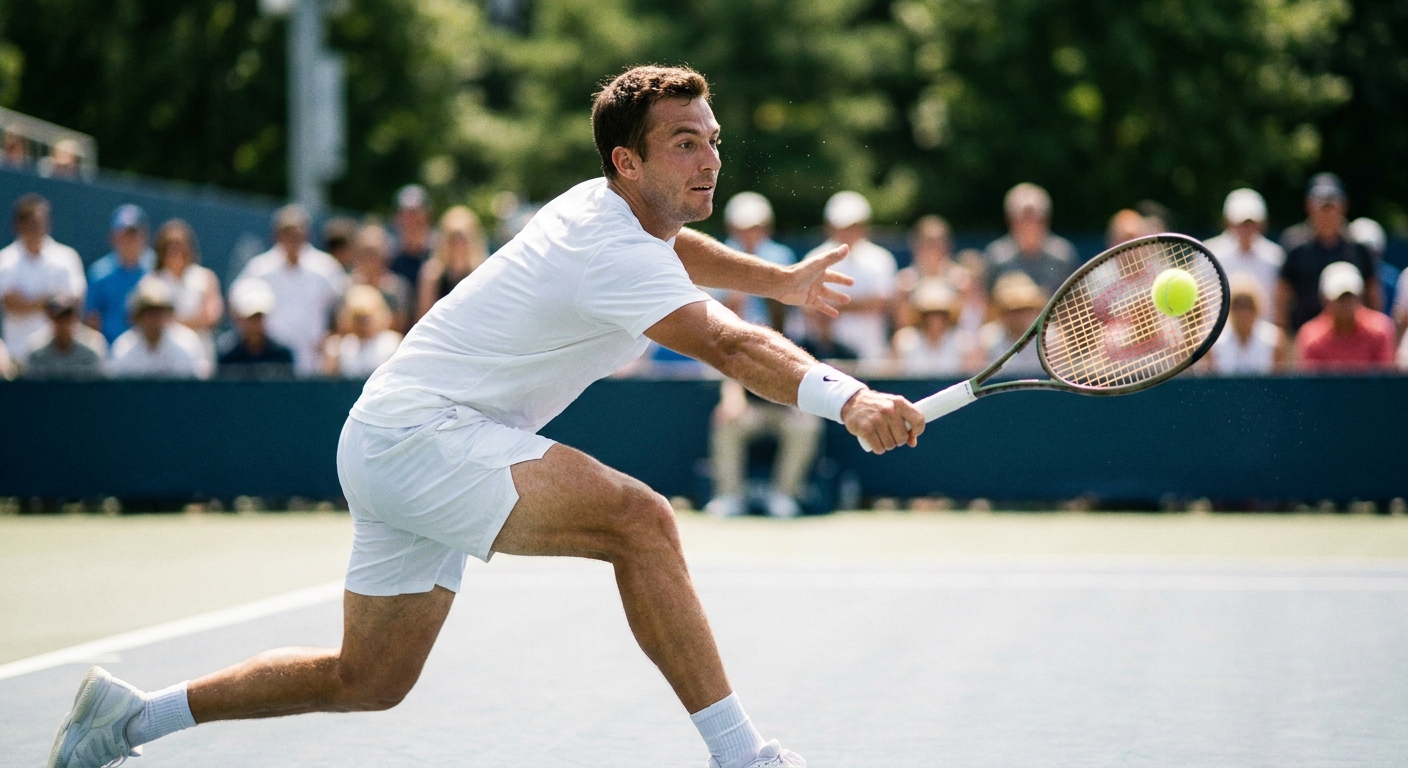
Wimbledon has just crowned another champion, and if you watched closely you saw the same thing every year: the best returners quietly won the tournament. Here is how to coach a return that pressures the server rather than just surviving it.


Register for FREE and get coaching tips, top drills, session and more every week!