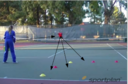
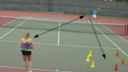
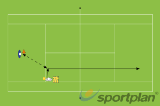
Cones are set in the ad corner. The coach feeds 9 balls. 3 to the deuce side (deep, middle, short), 3 to the centre (deep, middle, short) and 3 to the ad side (deep, middle, short). The player hits all forehands to the ad side.
Forehand is the dominant stroke for most of the players at all levels. That is why it should be priority to develop this stroke into a weapon that can bring many points during the match. Aspects like consistency, power, depth and control have to be trained to achieve desired results of offensive forehand. Only by spending time on specifically designed drills players can make forehand really effective even while playing under pressure.
In this drill, the player works on forehand skills. The coach forces player to hit forehand from different areas on the court so constant adaptation is needed to achieve success. The coach can make feeding faster or slower according to the level of the player and intensity he wants to deliver. By being able to hit from different spots to the backhand corner, the player can be really dangerous because during the match opponent will have to come up with good defensive skills to counter these shots.
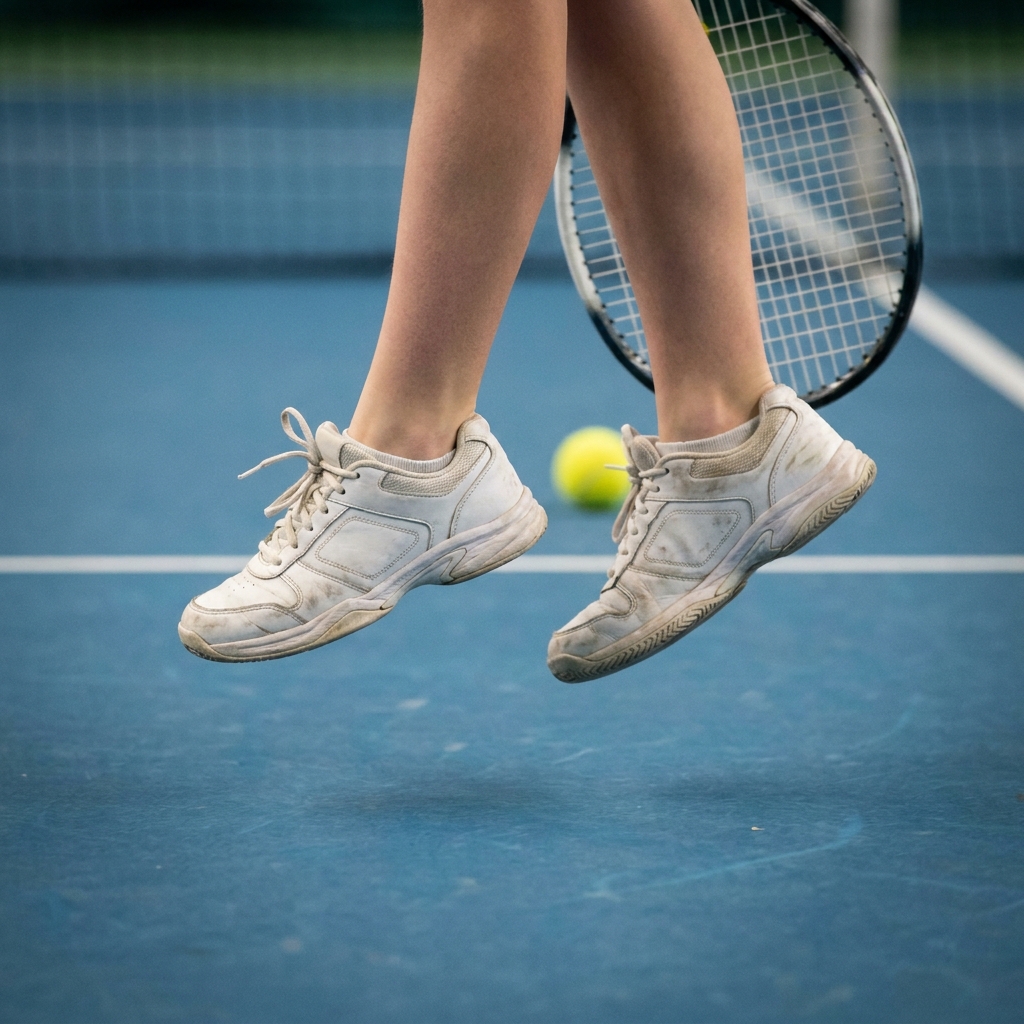
Indoor courts give players less time and less room. Help them sharpen their split step, shorten their swing and stay calm, and winter becomes a season of real progress.
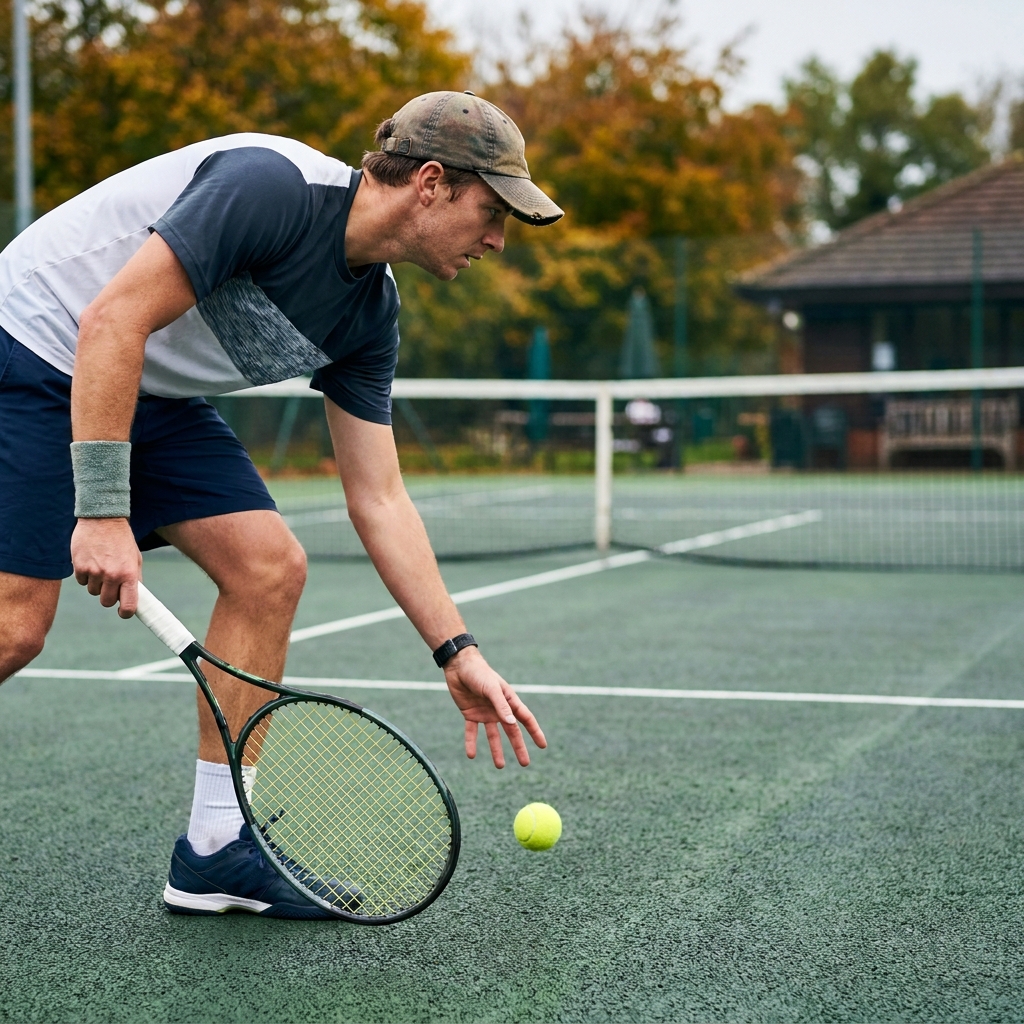
A tiebreak is a short sprint where every point is worth the same as a break of serve. The players who win them are rarely the ones who hit hardest. Here is how to coach the patterns, habits and scoreboard thinking that win the big points.
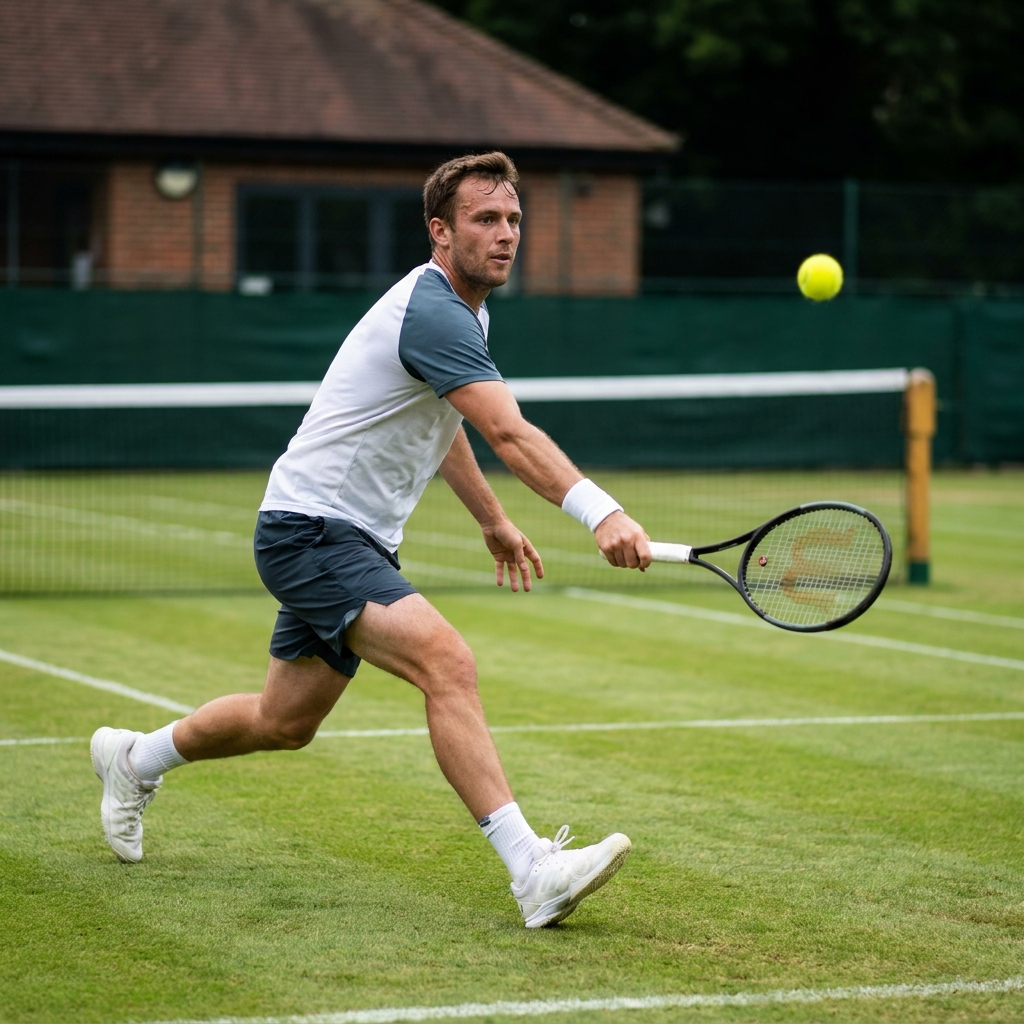
Most club players practise the serve on its own and then have no idea what to do with the ball that comes back. Serve plus one is the pattern that turns a good serve into a won point.


Register for FREE and get coaching tips, top drills, session and more every week!