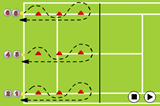
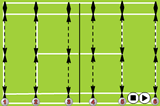
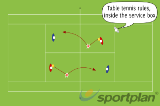
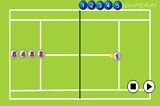
Players work together in pairs, each pair using the double service box as their area and with rackets not needed.
Pairs start by standing facing each other and holding hands with their left hand as if shaking hands.
With one ball between 2 players, players 'rally' by patting the ball to each other using their linked arms as the net.
Pairs are working co-operatively to see who can get the longest rally.
Players must keep their feet moving to get in the right position for each 'shot', dancing around the ball with adjustment steps whilst still staying linked to their partner.
The pair with the longest rally after 5 minutes wins. After this pairs swap hands to attempt this with their non playing hand.
This drill helps players to recognise where balls are landing and how they are bouncing and is a good warm up for co-ordination.
Notes:
Players must be motivated to stay active with their feet at all times and to start the next rally once one has broken down as soon as they can, to keep the heart pumping and the feet moving!
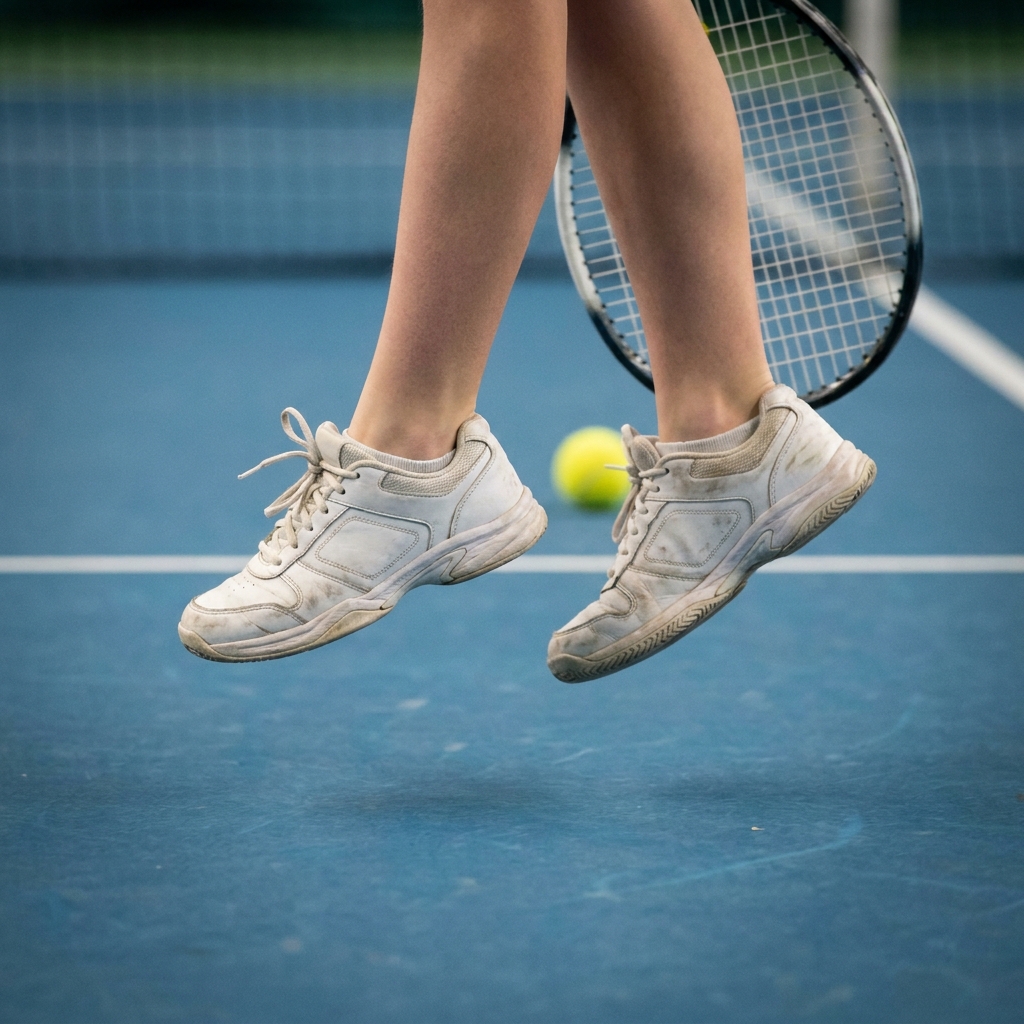
Indoor courts give players less time and less room. Help them sharpen their split step, shorten their swing and stay calm, and winter becomes a season of real progress.
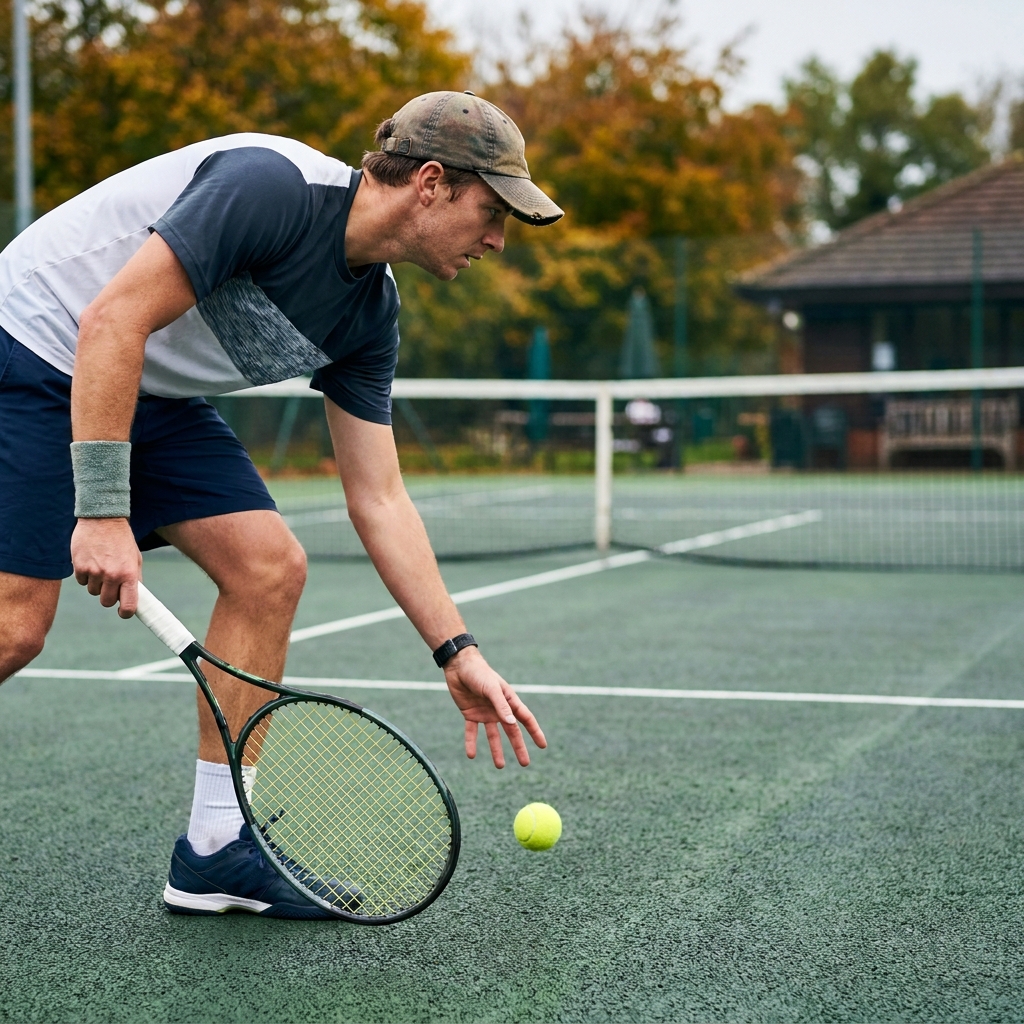
A tiebreak is a short sprint where every point is worth the same as a break of serve. The players who win them are rarely the ones who hit hardest. Here is how to coach the patterns, habits and scoreboard thinking that win the big points.
Most club players practise the serve on its own and then have no idea what to do with the ball that comes back. Serve plus one is the pattern that turns a good serve into a won point.


Register for FREE and get coaching tips, top drills, session and more every week!